“All flourishing is mutual.”
– Robin Wall Kimmerer
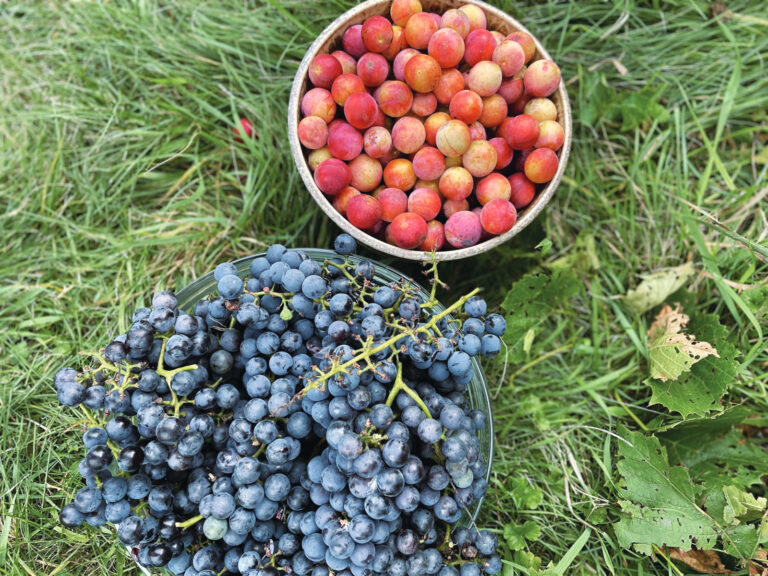
To us, one of the best places on Earth is right in a backyard grove of wild plum trees. The grove was planted from a bundle of humble bare-root trees (20 for only $25!) from the local land and water conservation department. There’s nothing quite like the heavy, sweet scent of their blossoms in the late-spring air, and they provide abundant pollen and nectar for pollinators. Sitting in the grove’s shade and listening to the sound of countless busy insects is truly more special than most things we’ve experienced. You, too, might enjoy a backyard grove; “Grow Wild Plums the Easy Way” can guide your process.
As we write this, U.S. diesel fuel is well over $5 a gallon, there’s increased competition on the global market for conventional fertilizers, and history suggests that higher food prices will likely follow. While it’s always a good time to grow more of your own food, right now is a particularly good time. In “Gain Food Security and Resilience with a Modern Victory Garden,” find tips for gardening on the cheap and dual-purpose plants that offer abundant harvests. We also just checked in with two food pantries to ask which crops the people they serve would appreciate and what’s easy for the pantries to accept, store, and distribute. One said it prefers items that don’t need refrigeration, and the other will take anything. So, we’re putting in extra rows of potatoes, onions, squash, and more. Modern victory gardens will help us feed our families and build more resilient communities, no matter what the future holds.
“Milpa for the Modern Garden” reminds us to always make space for this ancient Indigenous growing method that combines corn, beans, and squash. It’s funny how science finally catches up to confirm what’s been known for ages. It turns out that plant volatile compounds help this trio communicate and therefore grow stronger together. Corn scents elicit a reaction in neighboring bean plants, causing them to increase the sugar content in their extra floral nectaries, which attracts ants and wasps that devour the caterpillars that are harming the corn.
Although eggs are a lot cheaper this year compared with 2025, it’s still great to have a source of backyard eggs. It’s even better to gather eggs from hens that are being treated well. If your flock is thriving, you’ll have access to the best eggs around, and “Up Your Humane Poultry Game” has animal welfare suggestions every poultry keeper can strive for.
Finally, we’re not just surviving – we’re thriving. Boost your gut microbiome with “How to Eat to Nourish Your Gut,” and help your soil’s ecosystem flourish with the advice in “Battle Bindweed.” Let stories of producing artisan goat cheese and raising cut flowers and vegetables inspire ways that farms everywhere can support their communities and vice versa, because we’re strongest together.
And if you’re looking for ways to enjoy the simple pleasures of life, not unlike those pollinators in the plums, we’ve got tips for that too. Bake a sour cherry pie, sip on raspberry leaf sun tea, and consider cuddling a cow.
In solidarity,
– Mother