

Find tips for a leaky gut cure by following a gut-healing diet with foods that help digestion to improve your health and wellbeing.
Good gut health is important for everyone; besides regular bowel movements and other signs of healthy digestion, a healthy gut has also been linked to healthier skin, immune function, mental health, and hormone balance, as well as improved detoxification. Properly nourishing your body to support good gut health is a must.
If you sense there may be an issue with your gut, it can be hard to pinpoint where to start and how to determine the origin of the issue. The term “root cause” comes up a lot in the holistic health world, and while this is an important answer to seek instead of just treating symptoms, the actual root causes are often much deeper than what’s found on test results.

Root Causes for Gut Problems
I see three main root causes for gut problems in my practice as a dietician over and over again.
- The first is an imbalance in the microbiome – the ecosystem of bacteria, yeasts, and other microbes that populate the body and need to be in proper balance for good digestion and overall health. This is typically caused by medications (such as antibiotics), poor diet, and chronic stress.
- The next is lack of proper nourishment. If the body is running on ultra-processed foods and a diet lacking in high-fiber, phytochemical-rich whole and fermented foods that contain gut-healthy bacteria, it will be out of balance.
- Last, but certainly not least, are stressors, both physical and emotional. Chronic stress is detrimental to gut health and overall well-being. When ongoing, stubborn gut symptoms are an issue, or IBS (irritable bowel syndrome) or SIBO (small intestinal bacterial overgrowth) are present, it’s almost always a combination of these root causes that leads to disrupted digestive function.
When looking to eat and live to support your gut health, you should consider imbalances, proper nourishment, and stress. For those who feel like they’ve tried it all and still aren’t getting the gut health results they want, it’s often because these areas are glossed over in favor of treating symptoms on their own. Before you set out on another elimination diet (that could leave you feeling more depleted and make your symptoms worse), I encourage you to consider if these factors might be better starting points for healing.
One of the best places to focus when eating for gut health is to determine what’s missing in your diet. Foods that support gut health also tend to help balance the microbiome, support healthy inflammation and immune responses, calm the stress response, and help blood sugar balance. Unfortunately, the standard American diet, which is often rich in ultra-processed foods, isn’t exactly nourishing. This diet is usually poor in nutrients, contains additives that trigger an immune response, and consists of foods that are hard for your body to digest.
While some people may need to eliminate certain foods (such as allergens or “trigger” foods that can cause symptoms), I generally like to start with ensuring proper nutrition rather than focusing on elimination. By filling in the nutritional gaps left by modern diets, we’re able to see what progress can be made before taking out perfectly healthy, whole foods. The elimination model can leave us feeling anxious about food, and worse than before, without addressing the root issue of the absence of gut-nourishing foods in the diet.
Foods That Help Digestion
I recommend regularly including the following foods in your diet to facilitate healing and balance in the gut.
-
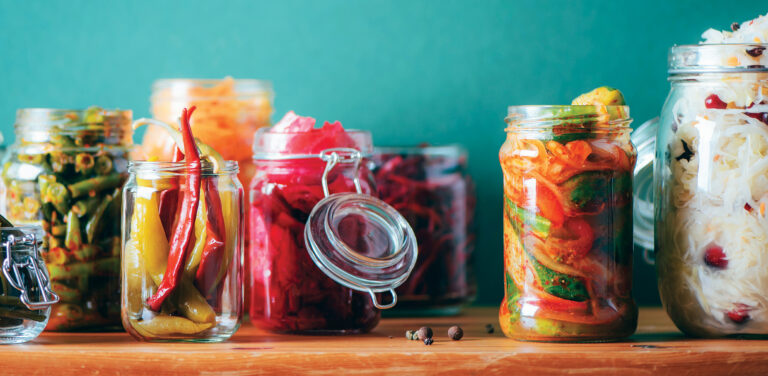
- Fermented foods. When microbes transform a food through the process of fermentation, a whole new food that’s powerful for gut healing is created. Fermented foods offer pre-, pro-, and post-biotics to support the gut microbiome. Even small amounts of ferments contain millions of live, active bacteria. Fermented foods are also easier to digest than their non-fermented counterparts and have a higher bioavailability of nutrients.
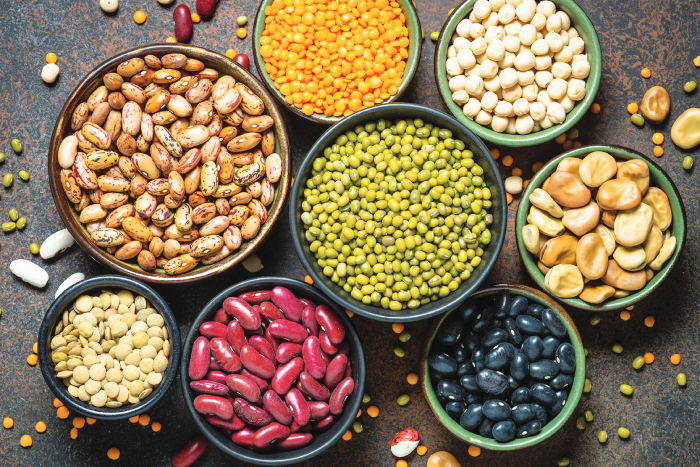
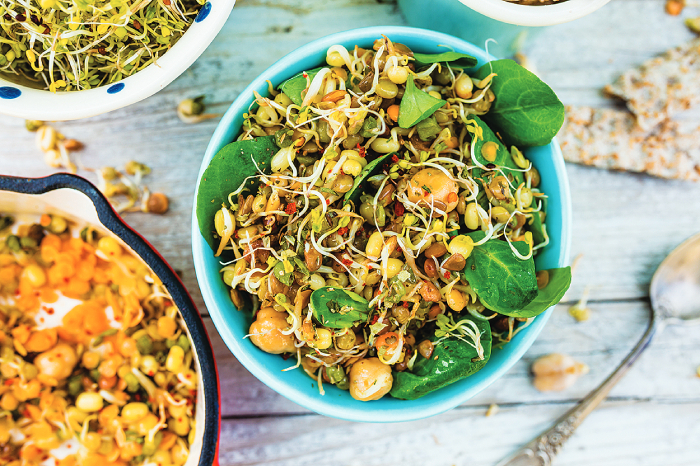
These can be fermented vegetables, such as sauerkraut and kimchi; dairy products, such as yogurt and kefir; beverages, such as kombucha and water kefir; or even fermented beans and grains, such as miso and natto. My general recommendation is to have a serving of fermented food or drink with each meal; this could be a cup of yogurt or kefir, a few teaspoons of fermented vegetables, or a small glass of kombucha. If you’re new to ferments, add them into your diet gradually. For truly “probiotic” fermented foods at the store, look for foods in the refrigerated section to ensure the cultures are still active. - Properly prepared grains, nuts, and beans. Soaking, souring, or sprouting these seed foods prior to cooking them reduces the content of anti-nutrients, such as phytates and lectins that block nutrient absorption and can irritate the gut for some individuals. Preparing grains and other seed foods before cooking increases the bioavailability of minerals, such as zinc and magnesium, in them as well. This practice also lowers the glycemic index of these foods and pre-digests gluten and starch, making them easier to digest. Instead of eliminating grains, legumes, and nuts altogether, learning how to soak, sour, or sprout them might let you keep them in your diet and improve gut health at the same time.

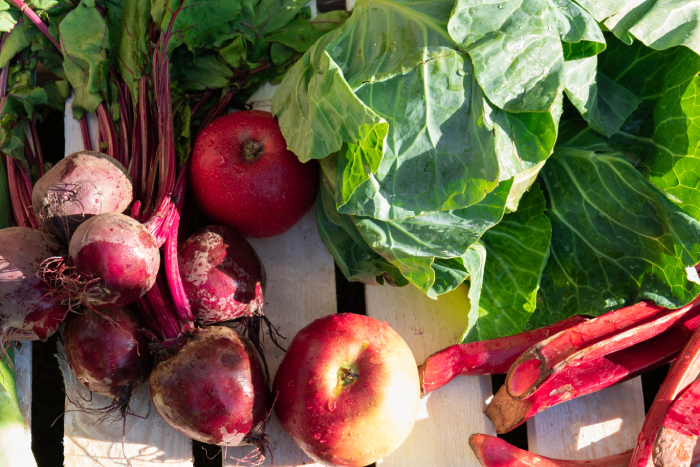
I appreciate getting to keep these foods in my diet, as they’re great sources of magnesium – which is commonly low in modern diets, and especially needed during periods of stress. Magnesium supports gut motility (how efficiently food moves through the digestive system), sleep, and relaxation. These foods also provide fiber; other minerals, such as zinc; B vitamins; and carbohydrates the body needs for energy. - Fiber. There’s no question that getting adequate fiber in the diet benefits gut health in a variety of ways. It helps create bulk in the stool to promote regularity, feeds beneficial gut microbes, promotes gut motility, and aids in detoxification. However, some people with sensitive, inflamed digestive systems may need to avoid large amounts of fiber, especially if severe symptoms, such as diarrhea or constipation, are present, as fiber can exacerbate symptoms. For most of us, gradually increasing fiber to the recommended daily intake – 25 to 28 grams per day for women and 35 to 38 grams per day for men – has a positive impact on overall gut health. To get this daily amount, consume a variety of plant foods, which also have the added benefit of providing polyphenols – compounds associated with colorful plant foods that have been shown to help with microbiota balance. Getting a variety of types of fiber is important too. This includes sources of soluble fiber (which dissolves in water), insoluble fiber (which doesn’t dissolve in water), and resistant starch. My favorite sources of fiber for gut health are root vegetables and fruit, which provide fiber, vitamins, minerals, and polyphenols, and are very easily digested – plus, they’re delicious.
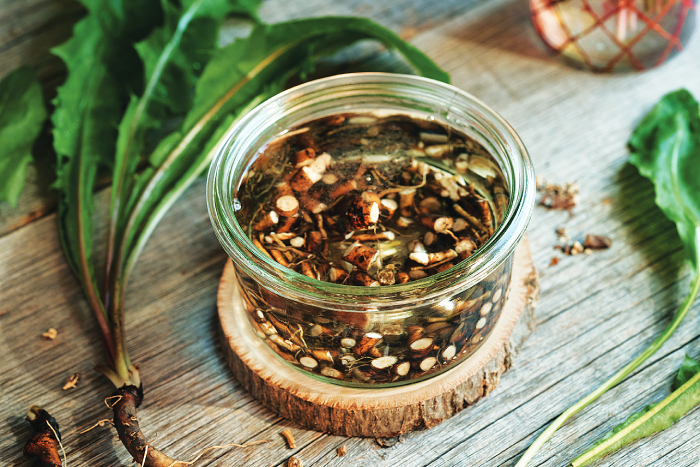
- Digestive bitters. Made from herbs, digestive bitters are superstars when it comes to digestive health. Bitters are a tincture, or alcohol extract, that contains herbs with bitter flavors, such as those from dandelion, burdock root, ginger, fennel, and orange peel. The bitter taste is less present in the modern diet than in ancestral diets, as we tend to favor sweet, savory, and salty tastes – ultra-processed foods rarely have bitter flavors. Bitter compounds found in herbs and foods (think beer, coffee, chocolate, dark greens, etc.) stimulate digestive flow and the secretion of stomach acid and digestive enzymes. This helps food properly break down and move through the digestive system and can alleviate gas, bloating, nausea, and constipation. The general recommendation is to take a dose of digestive bitters 15 to 20 minutes before meals or when symptoms arise. They taste great in cocktails or mocktails too!
- Fermented foods. When microbes transform a food through the process of fermentation, a whole new food that’s powerful for gut healing is created. Fermented foods offer pre-, pro-, and post-biotics to support the gut microbiome. Even small amounts of ferments contain millions of live, active bacteria. Fermented foods are also easier to digest than their non-fermented counterparts and have a higher bioavailability of nutrients.
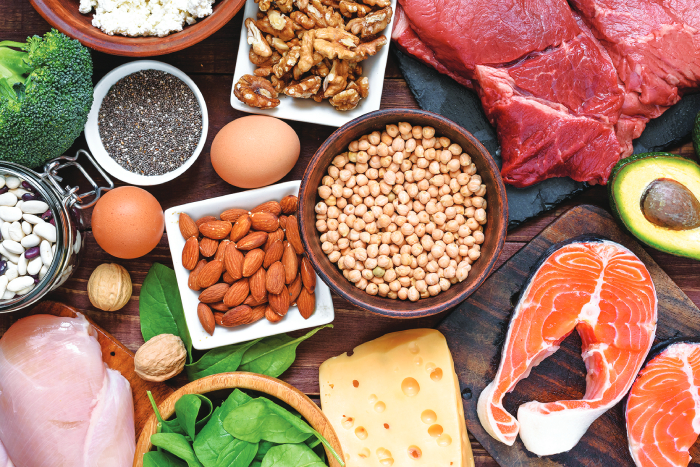
- Protein. Protein is having a bit of a moment right now, and I don’t think it’s totally undeserved. Protein is an essential nutrient for healing, maintaining blood sugar balance, and even keeping stress at bay – all extremely important roles for supporting gut health. I suggest aiming for 1 to 2 grams of protein per kilogram of body weight per day. The right amount for each individual will vary based on age, size, activity level, and other health factors, but it’s a good starting point. To ensure you’re getting enough protein, center meals around a protein source and have a serving at each meal and snack. Vary your sources of protein regularly (such as beef, fish, pork, and beans) to make sure you’re getting a good balance of other nutrients as well. If you’re an omnivore, I especially encourage increasing your intake of animal protein. These foods are nutrient-dense, are easily digested, and provide healthy fats along with vitamins and minerals.

Leaky Gut Cure Suggestions for Omnivores
- Gelatin- and collagen-rich foods. Foods made from skin, bone, and connective tissues contain proteins that support gut health. This includes cuts of meat with skin and bones, roasts, and even ground meat. These foods offer amino acids, such as glutamine and glycine, which play an essential role in healing and sealing “leaky” gut and supporting detoxification.
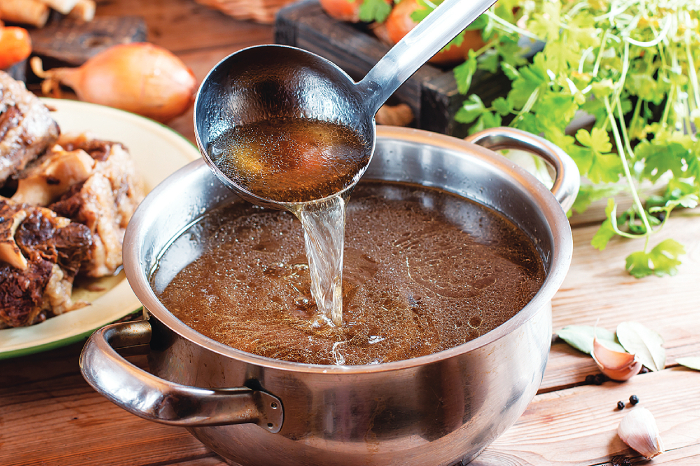
Broths and stocks are my favorite way to provide gelatin and collagen, as they’re well-absorbed. I’ll use the terms broth and stock interchangeably here, but they’re typically differentiated by how long they’re cooked and which cuts are included; they can be simmered anywhere from a few hours up to 24 to 48 hours. I recommend consuming at least 1 cup of broth per day; more during periods of healing or illness. Healing broths can also have other herbs and seasoning added to them. Broth can be used to make soups, stews, or curries; for braising vegetables; or as a substitute for water when cooking rice or other grains. I like to add a bit of salt and some herbs and sip mine like a savory tea. If you have trouble including enough broth in your diet, collagen protein powders can be used in a pinch, and they dissolve into just about anything. - Liver and other organ meats. These nutritional powerhouses are often underused in the modern diet, which is unfortunate because they’re nutrient-dense. Even in small servings, they provide an incredible amount of vitamins and minerals, such as vitamins A, D, and B12, iron, copper, and zinc. The nutrients found in liver and other organ meats help with healing, are good for the gut lining, and support your immune system. If liver isn’t your favorite food, you’re in luck, because you need only a small serving of approximately 3 ounces 1 to 2 times per week to give your body the nutrient boost that liver provides. Many consider liver to be nature’s multivitamin because of its nutrient density. If palatability is an issue, you can get started by adding chopped or ground liver into ground beef to cook into chili, spaghetti sauce, or tacos. Freeze-dried liver capsules are always an option for those not ready to take the liver leap.
- Cod liver oil. While some consider cod liver oil a supplement, I think of it as a food. A lot of nutrition is packed into a small serving of cod liver oil. It provides omega-3 fatty acids to help reduce inflammation, along with naturally occurring vitamins A and D for immune support and healing of the gut barrier. Fish and seafood are nutrient-dense, and I encourage folks to have these often, but cod liver oil is unique because it’s made from the livers, rather than the meat, of the fish, which concentrates the nutritional benefits of liver in an easy-to-take form. It’s an especially great supplement for those of us who don’t live coastally and don’t frequently eat seafood, and for those who need extra vitamin D during the cold winter months. Choose a reputable brand that tests for heavy metals.
Gut-Friendly Behaviors
While eating to support gut health, how we eat matters just as much as what we eat. There are mealtime habits we can work on to help improve and optimize digestion, many of which aren’t emphasized in the modern lifestyle, much to our detriment. These habits support digestive function by helping with nervous system regulation, gut motility, and even the functioning of the digestive organs themselves. Digestion is both chemical and mechanical, and many of these habits aim to optimize digestive function by addressing both pieces of the puzzle.
I often encourage people to examine their eating habits before changing their diet when they want to improve their gut health – that’s how important these practices are. The following are the habits to focus on to get your digestion working at its best.
- Get into rest and digest before eating. The rest-and-digest mode, where the parasympathetic nervous system is active, is the state that tells your body to relax and prioritize digestive function. In this state, the body sends energy and circulation to the digestive organs so they can function properly. The goal, then, in pursuit of optimizing gut health, is to get out of fight-or-flight mode (where digestion is impaired) so the body is able to prioritize healing. You can help move your body into this mode by doing a pre-meal blessing; creating a calm, enjoyable eating environment (think setting the table, candles, low noise, leaving conflict for non-mealtimes, etc.); or doing a series of deep breathing exercises. Stress management supports gut healing because of the stress-gut connection, but it’s especially important to focus on these habits around mealtimes to help with digestive function.
- Chew food thoroughly and eat slowly. Eat like you’re on vacation or enjoying a European lunch break. We’re often rushed through our mealtimes because of busy schedules or just out of habit, but this is detrimental to the digestion of your food. By taking at least 20 minutes to eat and chewing your food to an applesauce consistency before swallowing, you’re giving the work of mechanical digestion to the proper body parts, such as the jaws and teeth, and allowing food to be digested at an appropriate rate. These habits are especially helpful for those with bloating, reflux, or bacterial overgrowth – improperly digested food can sit in the gut and cause imbalances and uncomfortable symptoms.

- Eat within an hour or so of waking. This habit helps get digestion going for the day and stokes the metabolic fire. Eating in the morning is great for helping to properly fuel your body, allowing you to get the nutrition you need. For many people, skipping breakfast leads to blood sugar crashes (especially when caffeine is in the mix) and sluggish energy, as your body isn’t getting the protein and other nutrients it needs to be adequately fueled.
While the practice of intermittent fasting works great for some people, I generally advise against it for those working on gut healing. Overnight fasts of 12 or so hours are ideal, but avoid long periods of fasting or skipping meals, to ensure adequate nutrition for healing and keeping blood sugar in balance. - Space meals 3 to 4 hours apart. Grazers, I’m talking about you here. The digestive system needs plenty of time to work on the food we give it, and by eating constantly throughout the day, it can’t do its job properly, which leads to issues for many. Prioritize protein-rich, balanced meals over grazing, giving your body time to fully digest its previous meal. If you’re constantly hungry between meals, you’re likely not getting enough nutrition at those meals, particularly protein, fat, and fiber. If you need to snack, try to space it out, away from meals, to let your digestion work. Pregnant and nursing mamas and small children are off the hook for this, as they usually need to eat frequently during the day to get enough nourishment.
- Eat enough. This sounds simple, but I see issues with it frequently in my practice. Undereating can be a factor when it comes to gut imbalances. It can be seen in those following restrictive diets, even when done in the name of healing, or for many different reasons. Getting adequate calories, vitamins, minerals, and macronutrients – including the frequently maligned carbohydrates – allows the body to prioritize digestion, keeping your nervous system in balance, and provides adequate nutrients for healing. If you’re not sure if you’re eating enough, consult with a nutrition professional to help you figure out your body’s specific needs.
- Limit beverages, especially cold ones, during meals. This is found in many ancient medicine practices, such as Traditional Chinese Medicine and Ayurveda. I typically recommend limiting beverages to 8 to 12 ounces with meals, and I encourage choosing warm or room-temperature drinks as well. Cold drinks restrict circulation to the digestive organs, which is the opposite of what you want to happen at mealtimes for optimal digestion. If you need an ice-cold drink, keep it away from meals.
- Remain upright during and after eating. Posture affects digestive function, which is especially important during and right after meals. Sit up straight while eating and avoid reclining or lying down after meals so your food can go through the digestive tract properly. This is a particularly important habit to consider for those who suffer from reflux and heartburn.
- Eat at regular times each day. By eating around the same time, you begin to train your body to expect food at predictable times. When this happens, your digestive organs can secrete their digestive juices at predictable intervals, preparing for digestion before you even eat. This helps keep your body in a rhythm rather than expecting it to perform well on an unpredictable schedule.
- Eat with other people often. Social eating is part of the human experience, and we’re not meant to eat in isolation frequently. Eating with friends and family gets us into rest-and-digest mode and brings joy to the act of eating, rather than it being a chore or something to check off a list each day.
If you’re in pursuit of better gut health – whether improving uncomfortable symptoms, finding balance in the microbiome, or healing certain conditions – giving your body the nourishment it needs is the way to get where you want to be. Make diet and lifestyle changes that nourish your body properly, support digestive function, and address stressors and barriers to healing that may be holding you back. Most importantly, be open to change and get the support you need. Try to find people to be on your team so you can be successful as you work toward the robust gut health you’ve been looking for.
There’s a sea of information on gut health out there, and it can be a lot to navigate on your own. When people join my online community or course, I encourage them to create a path to healing that’s unique to their needs and guide them as they learn how to incorporate diet and lifestyle strategies to help support digestion. Healing doesn’t have to be as daunting and challenging as it may seem if you have guidance. And don’t forget: Enjoy yourself (and your food) along the way!
Laura Poe Mathes is a holistic dietitian with a passion for helping find the root cause of tough-to-treat gut health issues, helping clients to dig deeper than deprivation-based elimination diets and endless supplements. She’s the founder of Rest, Digest and Heal, an online course and community dedicated to offering knowledge and support through the gut-healing journey, with a special focus on stress and its effect on gut health. She’s also a mother, homesteader, and lover of nature, movement, and laughter. Follow along @The.Crunchy.RD on Instagram.
Originally published in the June/July 2026 issue of MOTHER EARTH NEWS and regularly vetted for accuracy.
Frequently Asked Questions
What causes gut problems?
Gut problems can be caused by one factor, or a combination of factors. An imbalance in your microbiome caused by antibiotics, poor diet, or chronic stress is a common cause for gut problems. A lack of proper nourishment, often caused by ultra-processed foods and diets low in fiber and phytochemical-rich whole and fermented foods that contain gut-healthy bacteria, can also lead to gut issues. Physical and emotional stress can also lead to gut problems, and chronic stress is especially bad for your stomach health.
What foods help with digestion?
Fermented foods, such as sauerkraut, kimchi, yogurt, kombucha, and miso with active cultures (that means refrigerated!) are easier to digest and have a higher bioavailability of nutrients. Soaking, souring, or sprouting grains before consumption can also increase the bioavailability of minerals, such as zinc and magnesium. These processes also lower the glycemic index of these foods. Digestive bitters, which are tinctures made from herbs with bitter flavors, have compounds that stimulate digestive flow and the secretion of stomach acid and digestive enzymes. Taking digestive bitters 15-20 minutes before eating can help your stomach move foods through the digestive system. Foods high in fiber are also an easy way to help you to digest the rest of your meal.
How can you heal your gut naturally?
Changing your eating habits, in addition to prioritizing whole foods, can help you to heal your gut naturally. Improve gut health by managing your stress around mealtimes, chewing food thoroughly and eating slowly, spacing meals 3-4 hours apart, and limiting beverages during meals—especially cold beverages, which restrict circulation to the digestive organs.
What foods are good for healing your gut?
Foods rich in certain vitamins, minerals, and compounds are good for healing your gut. Gelatin- and collagen-rich foods (made from animal skin, bone, and connective tissues) contain proteins that support gut health. Bone broths, cuts of meat with skin and bones, roasts, and even ground meat contain these proteins. Liver and other organ meats are rich in nutrients that are good for the gut lining and support your immune system. A small serving of organ meats 1-2 times per week can provide vitamins A, D, and B12, iron, copper, and zinc. Additional nutrition can also be found in cod liver oil, which provides omega-3 fatty acids to help reduce inflammation, along with vitamins A and D (which is especially helpful during winter months.





