
Home & Gardening DIY Blogs & Ideas


PVC Hoop House Plans with PDF
Steve Maxwell

How to Winterize a Tractor
Billy Clark

Make a DIY Waste Oil Heater
Richard Freudenberger

Make a Wood Stove Water Heater
Sundance & Louie

Quiz: Greenhouse Readiness Audit
Staff

DIY Food Dehydrator Plans
Dennis Scanlin
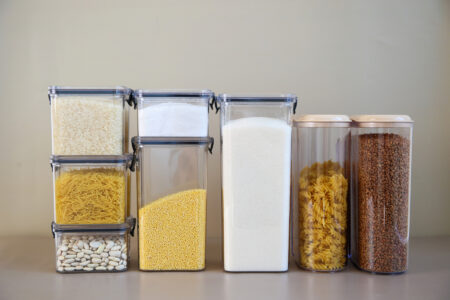
Best Long-Term Food Storage
Kate Rowinski

Important Papers to Keep in Case of Emergency
Kathy Harrison

How to Filter Water Using Charcoal, Sand, and Gravel
Kayla Matthews

Passive-Solar Winter Wisconsin Greenhouse
Amanda and Ben Caldwell

How to Build a Root Cellar with SIPs
Mike Johnson

DIY Root Cellar Plans for Effective Cold Storage
Mike and Nancy Bubel

Add a Hand Pump to an Electric Well
Larry Pina

Homemade Water Storage Tank
Ron Finley

How to Build an Outdoor Kitchen on a Budget
Spike Carlsen

DIY Gravity-Fed Soaker Hose System
Cheryl Long
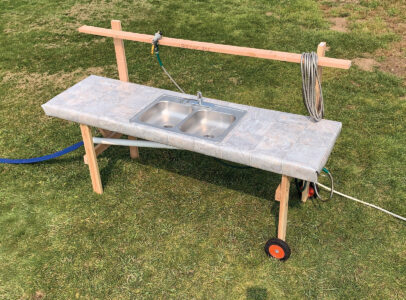
How to Make a Portable Sink
Josh Lau

A Homemade Honey Extractor
The Mother Earth News Editors

DIY Gravity Drip Irrigation
Frank Hyman

Quiz: Which Homemade Product Should You Learn to Make Next?
Staff







Popular Now

Fire Cider Recipe by Rosemary Gladstar
Fire cider benefits are numerous, it is a traditional remedy known for strengthening the immune system. Get this fire cider recipe by Rosemary Gladstar to boost your health, including two extra recipes.

Champion Chicken Breeds
Learn about a wide variety of superlative chicken breeds ranging from the rare Ayam Cemani to the giant Black Jersey Giant.

Underground Concrete Septic Tank Root Cellar Plans
Stow your surplus with these underground root cellar plans. This modern root cellar design turns a never-used septic tank into outdoor walk-in storage.

Join Mother Earth News




Become a Member of Mother Earth News Today!
Harness the Power of Self-Sufficiency One New Skill at A Time
It’s never been easier to pick up new skills to boost your independence and keep more money in your wallet while you’re at it. Let Mother Earth News show you how with hundreds of online learning videos, live Q&A sessions, and more for just $3.33/month!
- Online video learning library, featuring 600+ videos with more added every month
- Admission to all online video workshops, including expert interviews and live Q&As
- A year of Mother Earth News magazine, backed by 50+ years of trusted DIY guidance
- Bonus digital subscription — access new issues anywhere life takes you
- Everyday member discounts on eco-friendly products in the Mother Earth News Store
- Unrestricted access to online content — members get to view the latest articles, recipes, and project ideas before non-members can

Canadian Members • International Members
Canadian membership: 1 year (includes postage & GST)

Subtotal
$0.00
Membership Subtotal
$0.00
Total savings
$0.00
Shipping and taxes calculated at checkout.
or