

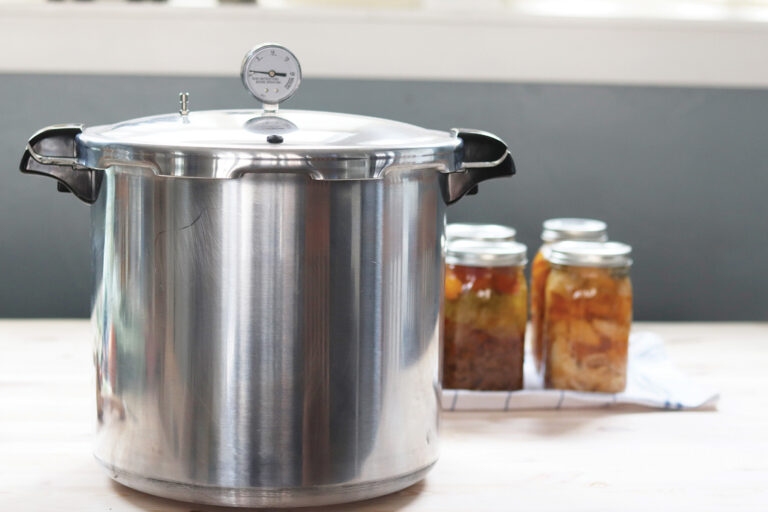
Tap into the self-sufficiency of pressure canning with these pressure canning soup recipes.
One of my earliest and fondest memories was standing on a chair in the kitchen to watch my mother pour boiling grape jelly into jars and cover them with wax. I must have driven her nuts with all the questions I asked, but she never seemed frustrated as she passed down the knowledge she’d gained from her mother. The harsh winters where we grew up meant regular blizzards and short growing seasons. My grandmothers were both survivors of the Great Depression and World War II, and I grew up with stories of victory gardens and learning how to live a “waste not, want not” lifestyle. Stretching food resources, learning how to make something from nothing, and canning food to preserve the harvest were part of my education. My mother oversaw the planting, gardening, raising of animals, and preserving our bounties for the long winters ahead. This was the knowledge she kept and passed to me, as her mother and her mother’s mother had done before her.
As I grew into adulthood and started having children of my own, I quickly found myself struggling with food security. Had it not been for the knowledge instilled in me as a child, we would’ve gone hungry more than we did. I got to work growing food and canning it. I wasn’t about to stand by idly waiting for someone to save us. After a few years tending my own garden, I no longer had to pretend I wasn’t hungry while making sure my children had larger portions of food. Hopefully, this was a struggle they didn’t even know existed.
Soon, as we overcame our food insecurity, we had food on the shelves to eat. I vowed never to let myself get to that point again. But I did. After I lost my home, I lived out of a duffel bag for a year. With no job and nowhere to live, I was once again faced with the challenges of food insecurity. Each challenge brought new solutions, such as using community gardens and learning to make grilled cheese sandwiches with a clothes iron, but the common denominator that kept me going was my extensive knowledge of food preservation.
I want to help people gain the skills they need to maintain food security, something I believe is a basic human right. I’ve carried my skills for food preservation everywhere with me. They’ve been a reliable tool kit to help me through mini-disasters and setbacks. By mastering the art of food preservation, you’ll not only gain the ability to provide for yourself and your loved ones, but you’ll also unlock the many rewards that come with self-sufficiency. It’s a journey of resilience and resourcefulness, and I’m excited to share it with you.
Benefits of Canning
Canning offers numerous benefits and is suitable for a wide variety of people, regardless of income, location, and lifestyle choices.
Physical and Mental Health
You choose what goes into the jar! No more guessing what the ingredients are on the food labels for products you buy in the store. This is especially helpful for those with food restrictions, allergies, and special dietary needs. There are also potential health benefits to home canning, including being able to preserve food without the use of artificial preservatives or additives.
More specific benefits that can help support you, mind and body, include the following.
- Quality control. Home canning gives you control over the quality of the ingredients used in your preserved foods. When you can your own food, you can be sure it’s free from contaminants and of a higher quality.
- Tailored tastes. Canning lets you preserve foods to match your personal taste preferences. You can adjust seasonings or add spices to create your desired flavor profile. When you preserve food at the peak of freshness, you can enjoy seasonal produce all year long.
- Personal satisfaction and reward. There’s a sense of personal satisfaction and achievement with every jar you can. Standing in your pantry, you see beautifully vibrant foods waiting to be eaten. When you look at your tomatoes in a jar, knowing exactly where they came from, you’ll breathe an internal sigh of relief. This sense of accomplishment and pride in your abilities will have a positive effect on your mental health.
Financial Benefits
You’ve heard the saying “time is money” – you can save both with canning. On average, I save $8,000 to $10,000 a year by canning my family’s food. You can start canning with any pot large enough to submerge your jars, making it economical for all.
- Grocery prices. The cost of food is rising, but canning can save your wallet. I take advantage of sales on fresh produce, canning what I buy for later use. When you grow your own food, the savings can be dramatic, and reducing the need for prepackaged and processed foods also saves you money.
- Bulk buying. You can reduce the cost per serving and save money on groceries by buying food in bulk or growing it yourself and then preserving it at home, instead of purchasing smaller quantities of prepackaged foods. For example, by canning a large batch of tomato sauce from tomatoes in season (at their lowest cost), you can save time on future meal preparations and money instead of buying winter tomatoes (when they cost the most).
- Time is money. Meals can be made more quickly when using canned food. It’s already prepared, ready to reheat and eat. You’ll lower your trips to the grocery store and the effort required to purchase fresh food on a regular basis, another way to save time and money.
Waste Reduction
Home canning can also help cut the amount of food you throw away: You can preserve foods in quantities that meet your needs, rather than buying too much and then letting some of it spoil before you can use it. This is beneficial for both personal and environmental reasons, as it helps to save money and resources.
- Food waste. By preserving food, we avoid throwing away spoiled or unused food. This, in turn, saves money on groceries and reduces your waste. You throw away money every time you throw away moldy strawberries or wilted spinach. This makes canning purposeful in reducing wasted food and wasted money.
- Packaging waste. The glass jars and rings you can with are completely reusable. I have jars over a hundred years old that are still in rotation on my shelves. Every package you buy ends up in a landfill (or, worse, in the ocean). Canning can be an effective way to reduce waste without excessive packaging waste.
- Energy waste. Canning allows you to batch-cook in larger quantities. Instead of making one chili meal for your family once a month, you can now preserve 12 jars of chili at once. This will give you 12 chili meals to enjoy throughout the year. Your stove takes the same amount of wood, propane, gas, or electricity, regardless of whether you’re making one meal in a pot or 12 jars of meals in a canner. Canning reduces the resources needed to feed your family and can lower the costs of cooking.
Community Building
Canning offers a unique way to create community and help families bond. We’re not just canning when we preserve our harvest and pass around recipes: We’re learning from each other and making memories together. The shared labor of canning reinforces a sense of togetherness and tradition in an increasingly fast-paced world. In the act of preserving food, we also preserve our connections to each other.
Living Intentionally Through Food
This is one of my favorite canning benefits: Home canning gives me a sense of personal satisfaction. I get a sense of accomplishment and connection with my heritage. Learning food-preservation techniques and maintaining food security can help you live intentionally.
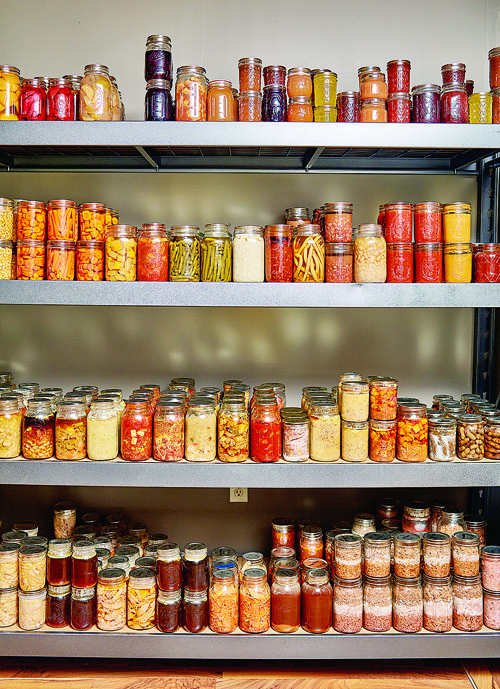
- Engaging with your food. Home canning is fun and rewarding. My mother calls it a “labor of love.” It’s a great way to learn new cooking skills and meet others who share a passion for home preservation.
- Preserving cultural traditions. Canning provides a sense of connection to my ancestors. I enjoy learning traditional canning methods and recipes passed down through the generations. This makes for a positive feeling of nostalgia, and that can help maintain our cultural traditions and carry them down to our children and grandchildren.
- Food security. Less reliance on food-distribution chains and having shelf-stable food will give you peace of mind, ensuring that your family will be fed. Food security includes physical and economic access to food while also extending its shelf life.
- Emergency preparedness. Emergency preparedness and food preservation are closely related. Canning can help soften the blow that can come with a job loss, the impacts of inclement weather and power outages, and other emergencies. By being prepared for the unknown, we can funnel our attention to the bigger problems. No power? No problem! Your food will be shelf-stable without refrigeration or freezing. You can help ensure your access to the food and resources you need by taking steps to prepare for emergencies.
Pressure-Canned Harvest Treasure Soup Starter
Yield: approximately 6 quarts. Recipe can be doubled or tripled.
This soup starter is your golden ticket to preserving the bountiful harvest of the season. You can leave out any vegetables you don’t have or adjust the quantities to suit your preference, making it truly your own creation.
With your homemade soup starter, you have the beginnings of any number of meal preparations. From hearty vegetable soups to savory stews, this starter lays the foundation for meals you can customize with your favorite ingredients. By batch-preparing vegetables and canning them for your shelves, dinner can be ready in minutes instead of hours.
Here are a few ideas to spark your dinner creativity.
- Classic vegetable soup. Add seasonings and reheat.
- Hearty potato soup. Combine your soup starter with a splash of cream, some crispy bacon bits, and grated cheese for a rich and creamy potato soup.
- Chicken and rice soup. Throw in some cooked chicken, rice, and a touch of lemon for a comforting chicken and rice soup.
- Beef stew. Add chunks of tender beef, some savory herbs, and a touch of red wine for a robust beef stew.
- Lentil soup. Simmer your soup starter with lentils, cumin, and a dash of lemon for a nutritious, flavor-packed lentil soup.
- Minestrone. Elevate your soup starter with pasta, beans, and an aromatic blend of Italian herbs for a scrumptious minestrone.
Ingredients
- 9 cups peeled and cubed potatoes (approximately 4 pounds)
- 6 cups peeled and sliced carrots
- 3 cups diced onion
- 3 cups chopped celery
- 6 teaspoons salt (optional)
- 8 to 10 cups water or chicken broth
Directions
- The standard recipe will fill 6 quart jars. Have a couple of extra jars on hand, and do your best to distribute ingredients evenly.
- Place a canning funnel on top of each quart jar and layer ingredients in order. Tamp down ingredients as you layer: 1-1/2 cup potatoes, 1 cup carrots, 1/2 cup onions, 1/2 cup celery, and 1 teaspoon salt (optional).
- Pour water or chicken broth over jar ingredients, leaving 1 inch of headspace.
- Debubble the jars, leaving 1 inch of headspace. Add more water or broth to jars if needed to achieve the correct headspace.
- Wipe the jar rims with a clean, damp towel or a vinegar-dampened towel to remove any residue.
- Place the lids on top of the jars and secure with bands, screwing them on until finger-tight.
- Place all the filled jars into the pressure canner.
- Heat canner over high heat and vent canner for 10 minutes.
- Add 10 pounds of weight or the weight for your altitude. Once the pressure is achieved, turn down heat and start timer: for pints, 60 minutes; for quarts, 75 minutes.
Sustainable Cooking at Its Best
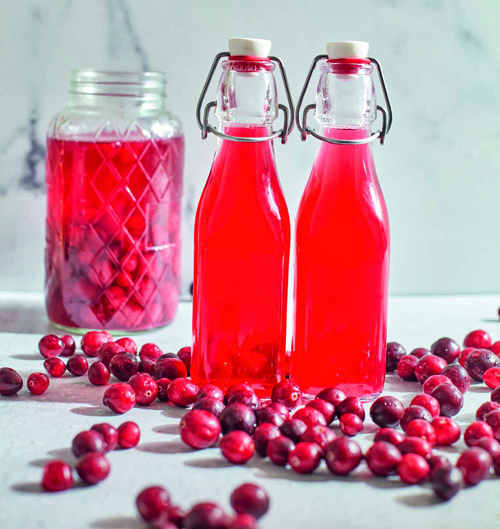
In the spirit of sustainable cooking, don’t let the celery tops from this recipe go to waste. Instead, put them to good use by transforming them into celery vinegar, a zesty addition to your kitchen arsenal.
Celery vinegar adds a refreshing twist to dressings, marinades, and more. It’s a small step toward a more sustainable kitchen and a delicious way to make the most of every ingredient.
White-Bean Chicken Chili Canning Recipe
This delicious chili offers a comforting, hearty meal that’s perfect for any rainy day. Made with tender chunks of chicken, hearty white beans, and a flavorful blend of spices, it’s sure to become a family favorite. Whether you’re looking to warm up after a long day or want to impress guests with a flavorful meal, this chili is sure to hit the spot. It also pairs perfectly with cornbread. Yield: 5 to 6 pint jars. This recipe can be doubled or tripled.

Ingredients
- 1 large onion, chopped
- 6 stalks celery, chopped
- 4 cloves garlic, chopped
- 1 teaspoon butter
- 2 to 3 pounds chicken, ground, cubed, or shredded
- 6 cups chicken broth
- 4-ounce can green chiles
- 3 cups presoaked ‘Great Northern’ beans
- 2 teaspoons each: cumin powder, garlic powder, onion powder
- 1 teaspoon salt (optional)
- 1 teaspoon black pepper
Directions
- Place canning jars in a canning pot filled with water and bring it to a simmer (180 F) to heat the jars.
- In a stockpot, sauté onions, celery, and garlic in butter until translucent. Add chicken and cook until no longer pink.
- Add the chicken broth, chiles, beans, and spices to the stockpot.
- Bring soup to a boil, cover with a lid, turn down heat, and simmer for an additional 5 minutes.
Pressure Canning (Hot Pack)
- Remove a hot jar from the canning pot using a jar lifter.
- Place a canning funnel on top and ladle hot soup into the jar, leaving 1 inch of headspace.
- Debubble the jar, leaving 1 inch of headspace. Add more soup liquid or water to jar if needed to achieve the correct headspace.
- Wipe the jar rim with a clean, damp towel or a vinegar-dampened towel to remove any residue.
- Place the lid on top of the jar and secure with a band, screwing it on until finger-tight.
- Place the filled jar back into the pressure canner and repeat canning steps until all jars are filled and in the canner.
- Vent canner for 10 minutes.
- Add 10 pounds of weight or the weight for your altitude. Once the pressure is achieved, start timer: for pints, 75 minutes; for quarts, 90 minutes.
Excerpted from Preserving with a Purpose by Sarah Thrush (Harvard Common Press, an imprint of Quarto).As the author of Preserving with a Purpose and host of the popular Peelies ‘n’ Petals social-media channels, Sarah Thrush works to help folks achieve self-sufficiency.
Originally published in the October/November 2025 issue of MOTHER EARTH NEWS and regularly vetted for accuracy.





