
Like many of us, I didn’t think much about my gut health when I was younger. But being more responsible for my own foods when I moved out of the house changed what I bought. For some items, it’s a matter of swapping out a product that’s high in processed sugar and other additives for a healthier option. For others, I’ve rethought my food choices altogether, which includes considering gut-healthy options to buy at my local store or make myself. If you’re beginning to explore fermented foods, you’re in the right spot. Here are a few foods with good bacteria and some fermented foods recipes you can try.
- If you like trying new beverages, start your fermentation journey with kombucha, an easy-to-make and healthy fizzy drink for your gut.
- After you’ve made your kombucha, what do you do with the leftover SCOBY? Make some dehydrated fruit leather from it for a healthy snack.
- Explore more ways to enhance your gut health with bone broth recipes, such as one that uses the collagen-rich chicken feet.
- Make your own fermented sauerkraut, which also helps preserve abundant cabbage harvests.
- Finally, don’t forget the yogurt. Save money and make a healthy yogurt at home using only a few ingredients.
Why consider fermented and probiotic foods at all? It comes down to the bacteria. According to the Cleveland Clinic, “Probiotics are live bacteria and yeasts that have beneficial effects on your body … They help fight off the less friendly types [of bacteria] and boost your immunity against infections.” From keeping intestinal bacteria at bay to helping break down and absorb nutrients, these beneficial bacteria keep you feeling good and functioning. Fermentation is one of the ways humans have figured out how to access those beneficial bacteria through food. Fermented pickles, for example, will contain the beneficial live and active cultures that hot-processed pickles won’t. Let’s look at several more ways to enjoy foods with good bacteria.
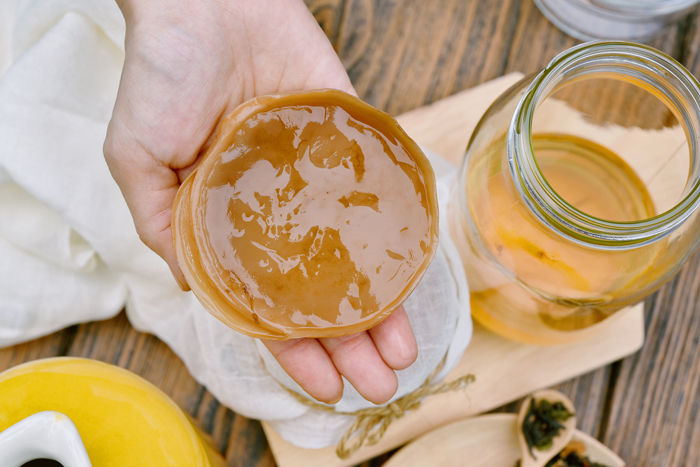
Kombucha. Much more ubiquitous in grocery stores and farmers markets nowadays, kombucha is a fermented tea that’s usually a mixture of water, tea, sugar, and a SCOBY (“symbiotic colony of bacteria and yeast”) that work together to produce a fizzy, bitey, flavorful drink that’s a great alternative to sugary sodas. Hannah Krum of Kombucha Kamp dives deeper into the research being done on our relationship with bacteria and how kombucha can play a part in helping out our gut. If you want to start your fermentation journey with drinks, check out our “Kombucha & the Human Microbiome” video course, learn the basics of kombucha-making, and get started in your own kitchen.
Dehydrate your SCOBY. Once you’ve finished making your kombucha, you’ll notice you’ll have leftover SCOBY – so how can you reuse it? One easy way is to get a dehydrator (or borrow one from a friend), blend up your SCOBY with some fruit, throw it onto the dehydrator, and make some fruit leather! My childhood memories are awash in the flavors of the fruit leather my mom would buy for me from the store; my taste buds still tingle when I think of my favorite flavor, pineapple. That’s why I was so excited to make SCOBY fruit leather with former Mother Earth Living editor Hannah Kincaid a few years back in our “SCOBY Snacks” webinar. See how easy it is – and don’t worry, you don’t taste the SCOBY at all once it’s done. In fact, I’d say our final product rivals the taste of any fruit leather on the market, plus it has less added sugar and more fiber.
Bone broth. Here’s another easy recipe to try in the kitchen, especially if the cost of broth at the store spikes like it has over the last few years and you find yourself making lots of soups and stews. Making bone broth involves cooking scrap pieces of bone-in meat with water and seasonings such as dried spices and vegetable scraps for a long time. After straining out your ingredients, you’re left with a flavorful broth that may provide some anti-inflammatory properties. Try this bone broth recipe using chicken feet, which can boost the collagen content in your broth and potentially increase digestive health.
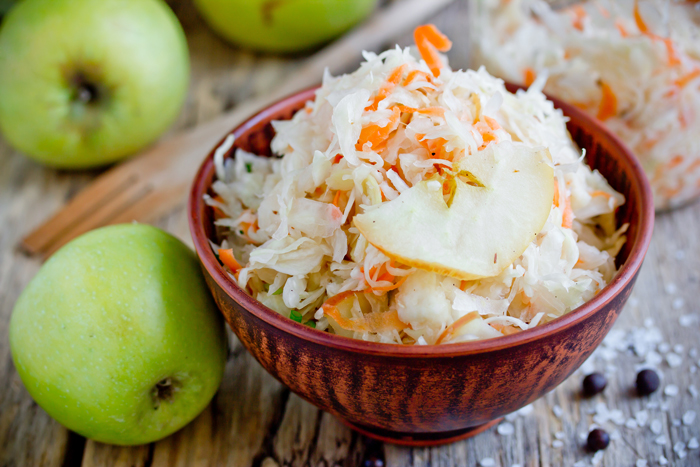
Sauerkraut. Yes, this is actually a gut-healthy food! I always imagined it being just a topping to hot dogs, but fermented sauerkraut provides fiber, nutrients, and live cultures for your gut. Plus, if you’re a gardener and harvest an abundance of cabbages, this is a great way to make use of your haul. In this fermented foods recipes, How to Make Sauerkraut in a Crock, Megan Phelps shows you how to slice, pack, add salt, and manage your fermenting cabbage in a traditional crock (though you can also use canning jars). If fermented at room temperature, your sauerkraut should be ready to eat in a couple weeks.
Yogurt. Finally, the poster child for probiotics: yogurt. Making yogurt at home is probably not as daunting as you think! Plus, it may help you save some money and cut back on plastic while creating a product with lots of healthy bacteria. Laura Perkins walks you through this yogurt-making process in Make Fresh, Healthy Yogurt at Home with just a few key pieces of equipment and ingredients. She also shares some of her tries and fails when finding the right recipe so you can learn from her experiments.
As you evaluate your health needs and grocery list, consider buying or making some foods with good bacteria to enrich your body. And it’s not just about health. Fermented and probiotic-filled foods also offer new flavors and textures to combine with beloved dishes. Imagine homemade sauerkraut on juicy baked chicken, or bone broth as the base for your turkey-and-rice soup. The possibilities are endless, and your gut will thank you.