


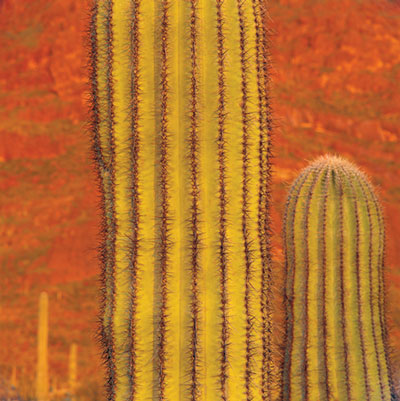
Nita Winter and Rob Badger immortalize the world’s vanishing landscapes–with less-toxic images.
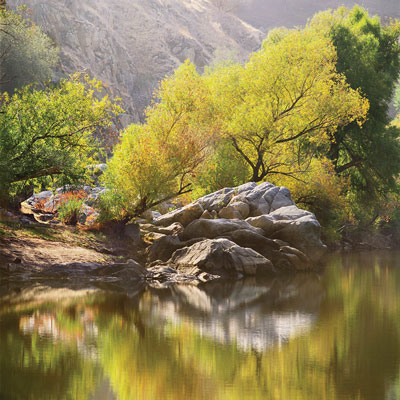
Conscious cameras: For more than 30 years husband-and-wife team Nita Winter and Rob Badger have traveled the world with their cameras. “When photographing in nature, it’s impossible not to see our human impact on it,” Winter says.
Cropping out chemicals: “The chemicals used for film photography and traditional print making are inherently toxic and water intensive, so we were excited to transition to digital capture and ink-jet printing,” Winter says. Water-based ink printing is far more benign, creates less waste and uses recycled ink cartridges. Winter and Badger have eliminated developers, bleaches and fixers, which require hazardous-waste disposal.
Seeing green: The duo is certified by Marin County, California, as a green business. They’re developing Rare Earth Art Galleries, built from eco-friendly materials, where they’ll sell their green art as well as work made by other artists in an environmentally responsible way.
Eye openers: Badger photographs junkyards, forests denuded by acid rain and timbering, mountaintops blasted off by mining, and streams choked with toxic slurry. He draws public attention to environmental degradation through lectures and exhibits and by publishing the images in books and magazines.
Pictures with purpose: In addition, Badger and Winter capture beauty that might soon disappear: desert and alpine blooms in danger of succumbing to global warming. “There are important messages you can send about climate change through photos of wildflowers,” Badger says.
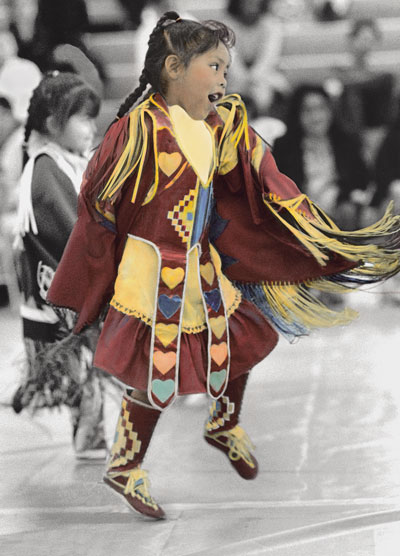
Different perspective: Winter often focuses on community building. “I want to put a face on communities to change negative attitudes and correct misconceptions,” she says. For two decades, she’s photographed ethnically and economically diverse people. Her work has been displayed as street banners and in Children’s Defense Fund calendars. “Nita’s always looking to build bridges through photography that helps people embrace their differences,” Badger says.
Get the picture: Visit the photographers’ joint websites: www.NitaWinter.com or www.RobBadger.com, or call (415) 339-1310. To save resources, images are custom-printed, sized from 8 by 10 inches to mural. $200 to $2,500 and up.






