Experiment and expand your garden’s offerings with these noteworthy but strange vegetables and herbs.
Home and market growers always have their garden favorites, but trying something different can be worthwhile. Here are 10 heirlooms you might not have considered … until now.
Hungarian Cheese Pepper
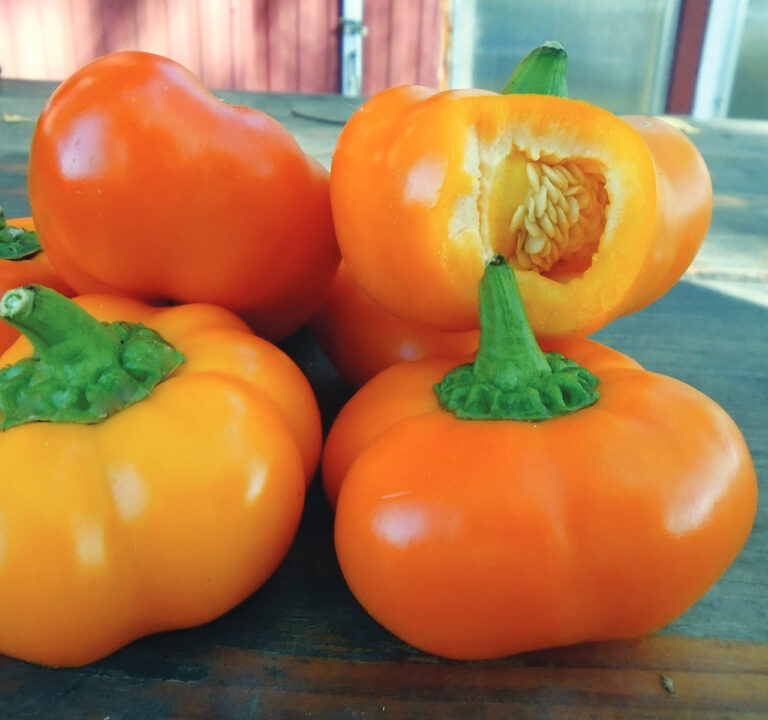
Hungary has given the world noteworthy peppers, including the ‘Hungarian Sweet Banana’ and ‘Hungarian Hot Wax.’ Here’s another one … and another interesting name! Hungarian Cheese peppers are a group of smallish peppers with a flattened, squat shape and thick walls. Often quite juicy and always very sweet, these peppers are grown to the ripened stage. Most varieties produce compact plants, making them ideal for small spaces or container growing; their high yields of early-to-ripen fruits also make them an efficient use of garden space. This pepper abundance is great for everything: stuffing, pickling, freezing, fresh eating (perhaps in salads), light cooking (as on pizza), etc. ‘Round of Hungary’ and ‘Klari Baby Cheese’ are the two well-known cultivars that turn red, though other cheese peppers can be found that ripen to yellow and orange flesh as well.
Rapini Broccoli
In addition to broccoli (with its large central floret), there are many related non-heading plants, such as rapini (Brassica rapa ‘Ruvo’), that produce numerous small florets. Sometimes called broccoli raab, broccoli (also cima) di rapa, or broccoli asparago, this heirloom vegetable competes well when compared “head to head” with traditional broccoli.
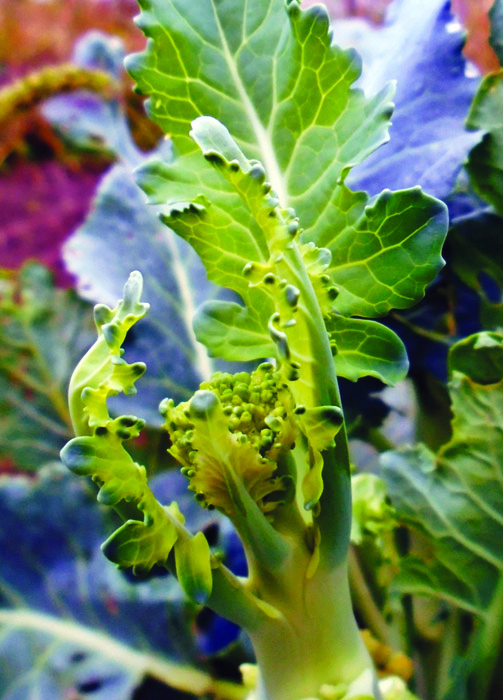
Often harvestable earlier and offering a continuous harvest lasting several weeks, it requires less pampering for successful production. It likes, but doesn’t require, constant moisture (and is even drought-tolerant), and it isn’t derailed by warm or cold spells during the growing season. It does better when transplanted rather than planted from seed.
Rapini buds, shoots, and leaves are all edible and possess a robust, slightly bitter flavor. Some eat it raw, but most will prefer rapini mellowed with some light cooking; a little water added to a covered skillet for a quick steam and then a finishing sauté is ideal. Rapini is a favorite in Mediterranean cuisine.
Cucamelon
This plant is also known as Mexican sour gherkin or cucumber, sandita, sandía de ratón, mouse melon, pepquino, and Mexican miniature watermelon. Can one crop have so many names? An heirloom with a long history of eating can.
The cucamelon (Melothria scabra) looks like a 1-inch-long watermelon. It grows on a delicately vining plant; both the vining and fruit-production habits of this plant are considerable. The crunchy little fruits have a cucumber-like flavor with a kiss of citrus. They’re generally sweeter when young, firm, and green, and progressively tangier as they mature. Some people find them too bitter and sour when not harvested early. Though frequently eaten raw (as a snack, added to a salad or salsa, or as an attention-grabbing edible garnish), they also make an interesting pickle.
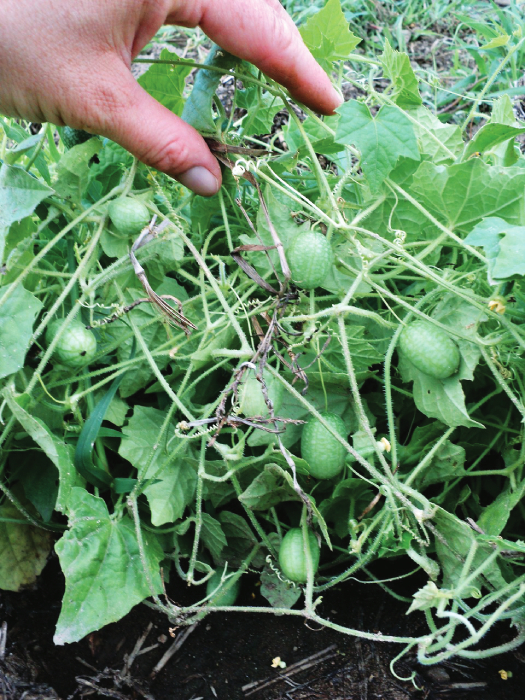
Cucamelon is easy – and fun – to grow. It has some cold tolerance and drought resistance; it isn’t bothered by blights or insect pests; and its fruits are durable, easy to pick, and good keepers … and just plain cute!
Celeriac
This root vegetable is also known as root celery or knob celery. These alternative names clearly show that we’re talking about a root (in reality, a swollen stem base) with a celery flavor – sometimes described as a nutty parsley and celery blend. It’s the same species as the familiar stalk celery, Apium graveolens, and both plants are water-loving and prefer fertile soil. However, celeriac is easier to grow. While any significant stress from heat, cold, or lack of moisture during the growing season will stunt the growth of celery’s delicate stems and result in tough, stringy, or bitter stalks, celeriac will take these challenges in stride and keep going reliably. Plus, it has greater disease resistance.
Celeriac is an easy substitute for celery in soups and stews, comfortable in all the usual “root” recipes (mashing, roasting, boiling, etc.), and a favored addition when braising meats. Light frosts on mature celeriac will improve its flavor, and the softball-sized knobs store up to six months in proper conditions. Beloved in Europe, ‘Brilliant’ is a commonly found and favored heirloom cultivar.
‘Nicola’ Potato
Though the Irish potato is anything but new to most growers, you may not have heard of this German cultivar. With a waxy (not starchy) texture and deep-yellow flesh and skin, this oblong potato is excellent for salad, stews, and roasting. Handling drought conditions well, ‘Nicola’ has moderate to high (tuber-growing) productivity. It also displays resistance to the diseases late blight, rhizoctonia, blackleg, and scab.
What makes ‘Nicola’ a real gem is its lower glycemic index (GI). A food’s GI is the measure of how quickly it raises blood sugar levels after consumption. Foods high in carbohydrates have high GIs, naturally including starchy vegetables, such as potatoes. However, ‘Nicola’ potatoes cause lower and less-rapid increases in blood-sugar levels than most other potatoes, making them a better choice for people with diabetes or pre-diabetes. In addition, foods with a lower GI value help us feel fuller longer.
Batavian Lettuce
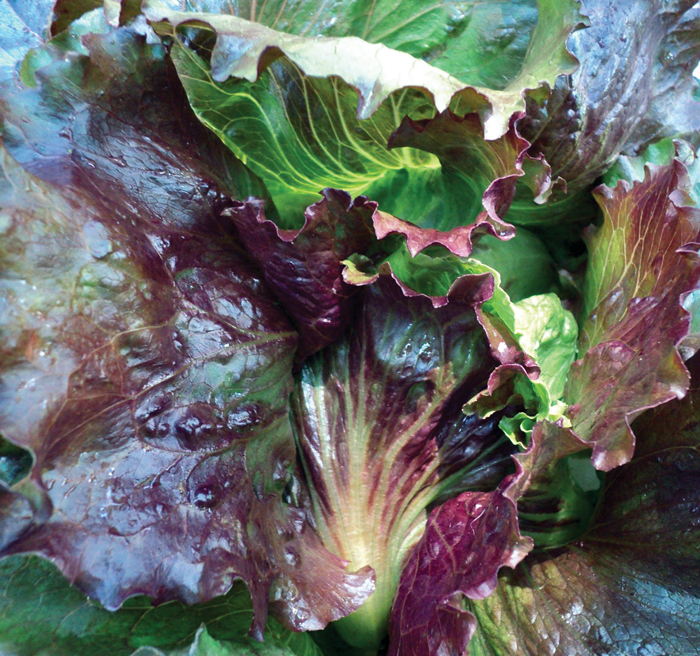
Also called French or summer crisp, batavian lettuce comes in many varieties. Their commonality is the ability to withstand the heat of summer (which any lettuce grower knows is a boon). Built for the task, they have noticeably thick, firm leaves that are also crisp and tender, with good flavor. Additionally, vigorous growth, slow progression to bolting, and greater water-holding capacity, all throughout hot conditions, are the combined tactics that make batavian lettuce so heat-resistant. Remarkably, many varieties thrive in cooler conditions as well.
Pick your color: ‘Cardinale’ has attractive red blushes, ‘Slogun’ is a pale green, and ‘Anuenue’ (pronounced AH-new-ee-new-ee, Hawaiian for rainbow) is a striking bright green.
Lebanese Squash
Though it might look like nothing more than a pale-green zucchini, Lebanese squash is something more. Alternatively called Mideast or cousa (kousa) squash, it’s known for its exceptional flavor, surpassing that of the average summer squash or zucchini. Their flesh is firm and not at all watery, contributing to both superior taste and versatility in recipes (especially when a firm texture is important to success).
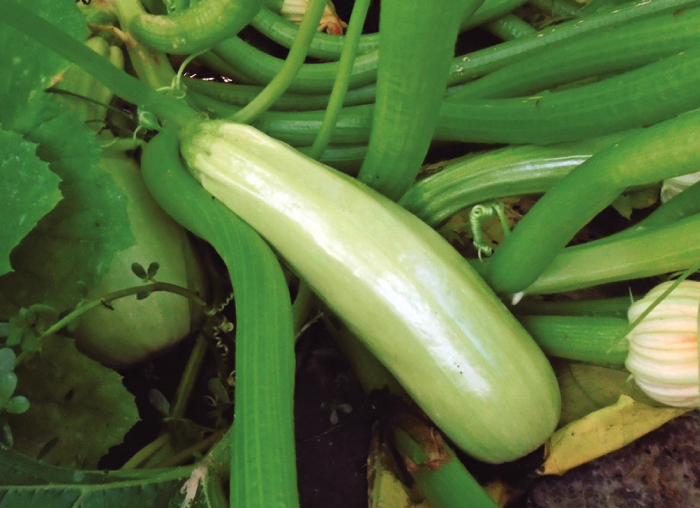
‘White Bush’ is our favorite cultivar. The plants are quite large and always the last to be fazed (though are most often unfazed) by seasonal challenges, including insect pests, mildews, and drought conditions. We mulch our plants for lasting weed control throughout their long production period, during which ‘White Bush’ produces an abundant harvest. Marketers should note that these squash have comparatively delicate skin, which will show scratches if treated roughly, so handle with care.
Cipollini Onion
Surely an onion is an onion? Maybe not. After repeatedly hearing the praises of these beauties, we gave them a try. Exclusively Italian heirlooms (all cipollini strains originate from the town of Boretto), these flattened, disc-shaped alliums range from 1-1/2 to 4 inches in diameter and may be white, yellow, or red in color (‘Red Marble’ is a favorite, and is dark red). Some last for long-term storage (and are often marketed in braids), while others are only for short-term and may be pulled for bunching.
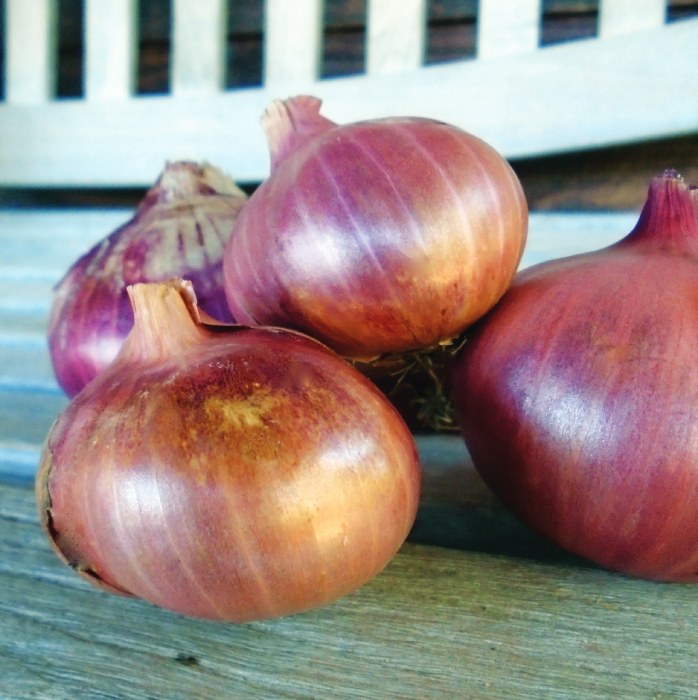
What all cipollinis have in common (in addition to their shape) is their high sugar content. They have much more residual sugar than regular cooking onions (even pearl onions) and are all sweeter rather than astringent. Cooking intensifies their sweetness, especially caramelizing, braising, and roasting, though they’re favored for pickling, grilling, and stewing as well. And if flavor wasn’t enough, cipollinis have thin skin and a very fine flesh texture, which becomes almost buttery when cooked.
Mâche Greens
This green is also known as corn salad, lamb’s lettuce, or feldsalat. Although perfectly happy to grow yearlong in all conditions, it’s possibly the most cold-hardy green there is. It’s a must for cold frames, hot beds, or any other means of season extension or overwintering in the garden. Mâche plants have moderate moisture demands and make slight demands on soil nutrients.
Mâche is different from many other cold-tolerant greens, as it doesn’t possess large, somewhat tough foliage but rather small, tender, spatulate, dark-green leaves arranged in a low rosette. It’s quick to harvest (if you begin by picking only the leaves rather than the entire plant), and, it’s a nutritious green, especially high in vitamins A and C. Also, its flavor isn’t pungent or bitter at all, but rather described as mild, nutty, or sweetish. I call it “clean and green.” Salads are often constructed of mâche leaves alone.
Garden Huckleberry
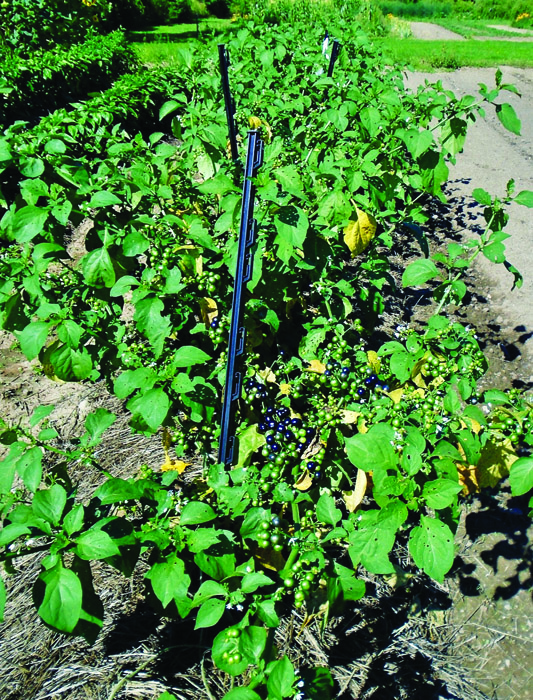
You can find many different annual “fruit” plants for the garden, ranging from ground cherries and cape gooseberries to wonderberries and litchi tomatoes (to name a few). One of our favorites is the garden huckleberry, which isn’t related to the huckleberry. A member of the nightshade family, the garden huckleberry (Solanum melanocerasum) is a 3-to-4-foot- tall plant, covered with clusters of roughly 3/4-inch fruits. When eaten raw, it’s tasteless and resembles a tomatillo; adding heat and a bit of sugar inexplicably creates a flavor like a blackberry-blueberry-gooseberry-Concord-grape fusion – wonderful for pies and jams. An avid grower and unbothered by pests (except flea beetles, which don’t significantly impact their growth), garden huckleberries have an almost electric purple-black color that proclaims their significant anthocyanins (supercharged antioxidants) level. Pick when their formerly glossy skin becomes dull, indicating best taste and nutrition.
Do you think you see a new favorite?
Try These Cultivars
We asked seed companies what they’re excited about in 2026. Here are some more cultivars to consider.
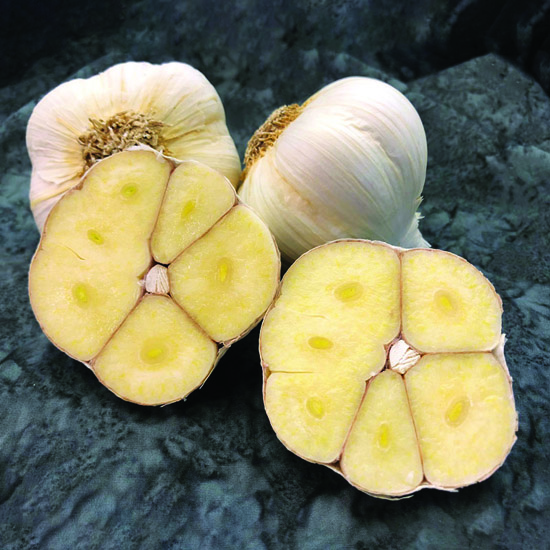
- Keene Garlic: ‘Romanian Red’ garlic is a hardneck cultivar in the porcelain family. It has bright-white bulbs with pink clove wrappers and has 4 to 6 cloves per bulb. ‘Romanian Red’ has a robust flavor and is very hardy. It’s known for its high allicin content and is highly regarded for its medicinal qualities. 608-215-7599; www.KeeneOrganics.com.

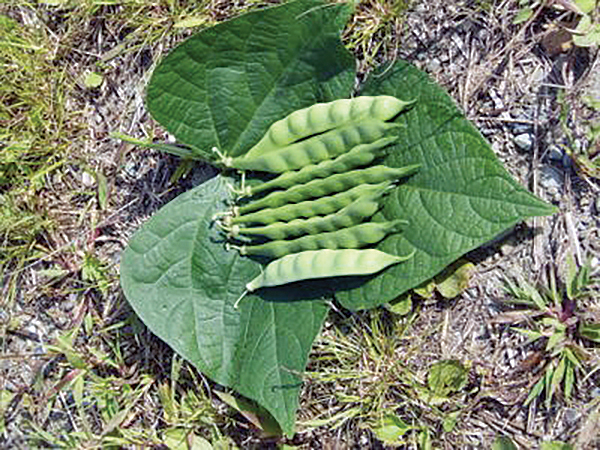
- Turtle Tree Biodynamic Seed Initiative: ‘Aunt Ada’s’ pole beans are an heirloom that came to Colorado from Italy with the Botanelli family circa 1900. Six-foot vines produce abundant dual-purpose beans. The pods don’t become tough when the beans develop and are one of the best-tasting green beans we’ve ever had. As a dry bean, they’re buttery and make great soups or refried beans. 800-930-7009; www.TurtleTreeSeed.org.

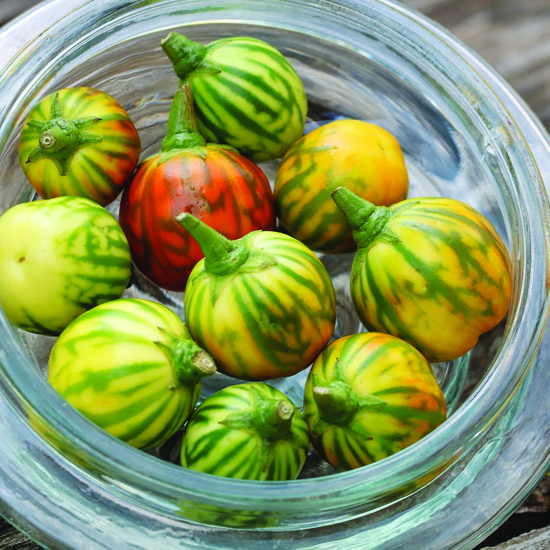
- Seed Savers Exchange: ‘Sweet Red’ eggplant is an Ethiopian cultivar that produces small, round, flavorful fruit that tastes moderately sweet and looks absolutely stunning, whether on the plate or in the garden. It’s very productive and can be eaten raw or cooked. 563-382-5990; www.SeedSavers.org.
- Baker Creek Heirloom Seeds: Litchi tomato has a superb creamy and mild cherry flavor. It’s delightful to imagine litchi tomato into myriad culinary interpretations, from mock cherry pies to chutneys and pickles. Grown like a regular tomato, these plants grow to 5 feet and are covered with large white flowers and sweet red fruit. 417-924-8917; www.RareSeeds.com.
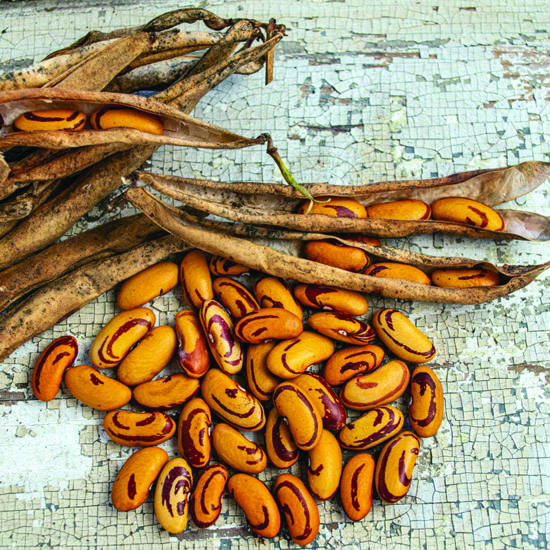
- Pinetree Garden Seeds: ‘Tiger’s Eye’ beans are a beautiful heirloom bean with a bush habit. You can use these for both a fresh shelled bean and a dry bean. They have a soft, creamy texture; tender, thin skin that disappears when cooked; and a hardy, chestnut-like flavor. 207-926-3400; www.SuperSeeds.com.
- Burrell Seed Growers, LLC: ‘Tatume’ is a prolific, round, open-pollinated squash that can be harvested early as a calabacita summer squash or allowed to mature out into an orange, oval winter squash. 844-254-7333; www.BurrellSeeds.com.
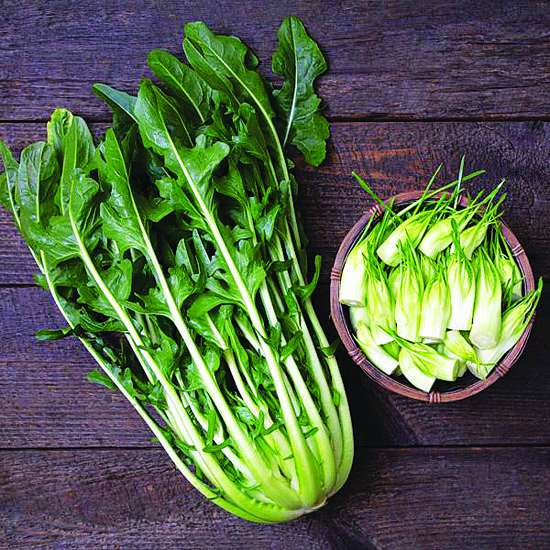
- High Mowing Organic Seeds: ‘Fiamma Verde Puntarelle’ is a cold-hardy, fast-growing green. The crunchy stems of the plant appear as sprouts with dandelion-shaped leaves and are pleasantly bitter and tender. It’s perfect for fresh eating. 866-735-4454; www.HighMowingSeeds.com.
- Irish Eyes: ‘Cheshire’ potatoes are a high-yielding, early season tuber. They have a smooth texture and buttery flavor that’s delicious roasted, steamed, or baked. They have dark-red skin with yellow around the eyes and deep-yellow flesh. 509-933-7150; www.IrishEyesGardenSeeds.com.
- Johnny’s Selected Seeds: Amaranth glitter mix microgreens are a beautiful combination of delicate leaves featuring glowing pink and purple stems and copper, orange, and green leaves. With this mix, you’ll get even maturity and mild, earthy flavor. 877-564-6697; www.JohnnySeeds.com.
- Simmons Plant Farm: Muscadine grapes are known for their sweet flavor and will thrive in hot and humid climates. They’re high in antioxidants and vitamin C. Two of our favorite cultivars are ‘Carlos’ and ‘Cowart.’ These are self-fertile, hardy, and disease-resistant, and work well for fresh fruit, U-pick operations, or your own winery. 479-369-2345; www.SimmonsPlantFarm.com.
- Doyle’s Thornless Blackberry Plants: These non-invasive blackberries are easy to pick without the thorns and are resilient to cold and dry conditions. They can yield 10 to 20 gallons of sweet, juicy blackberries per plant once established. 812-254-2654; www.FruitsAndBerries.com.
- True Leaf Market: The ‘Dragon Grilling’ hot pepper is a flavorful hybrid that combines the best traits of ‘Shishito’ and ‘Padron’ pepper. It’s ideal for grilling, roasting, or tossing into quick stir-fries. 801-491-8700; www.TrueLeafMarket.com.
- Grow Hoss: The ‘Hossinator’ tomato is a determinate slicer with a medium growth height that produces impressively large fruits. Despite being a hybrid, it has the vine-ripe, acidic flavor of an heirloom tomato. It’s also widely adapted and has good disease resistance. 888-672-5536; www.GrowHoss.com.
Unheard-Of Herbs
If you’re looking for something different in the herb world, try these:
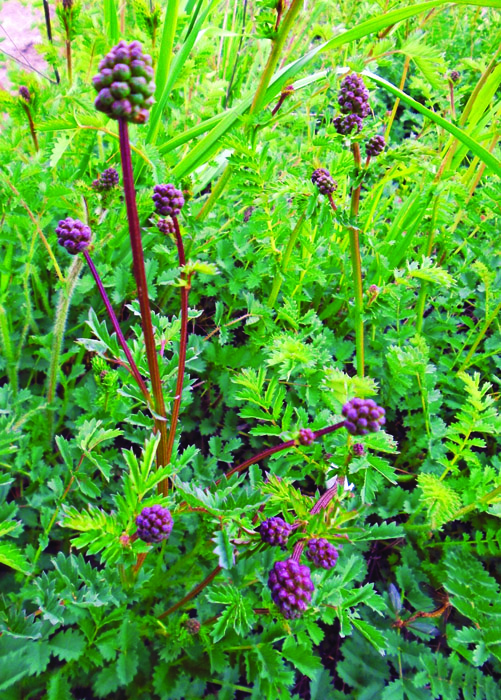
- Salad Burnet (Sanguisorba minor): This low-growing perennial herb is known for its edible, bright-green leaves, which have a mild, cucumber-like flavor.

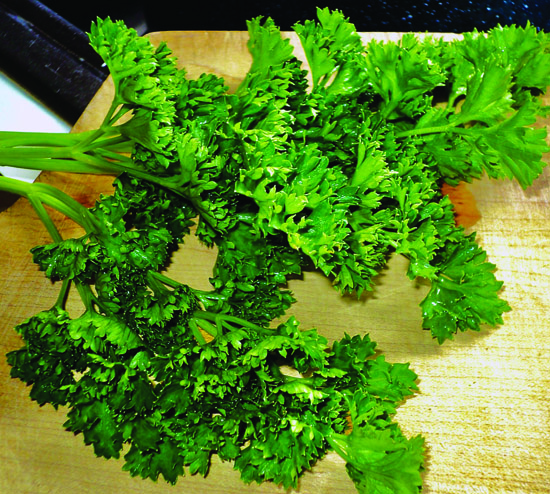
- ‘Krausa’ parsley: This parsley variety is triple-curled with deep-green, highly aromatic leaves and sweet, crisp stems. Decorative, delicious, and nutritious, this parsley does everything.

- Culantro: Although they share a plant family (Apiaceae) and have leaves with a similar smell and taste, culantro is more strongly flavored than cilantro and is used at a fraction of the quantity; plus, it’s a much more heat-tolerant plant.
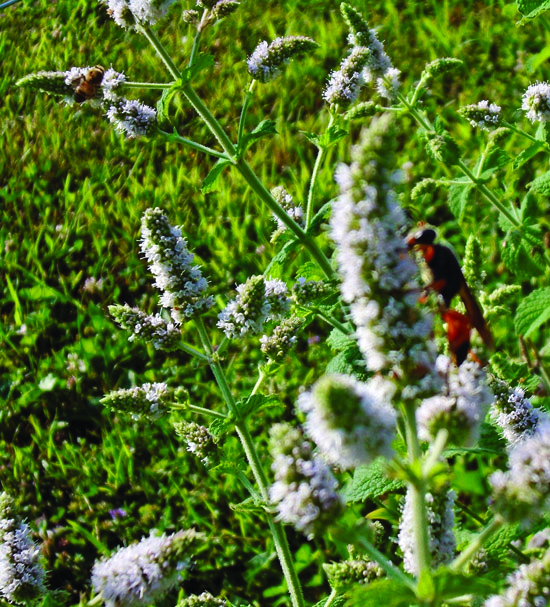
- Apple mint: A true mint (Mentha suaveolens), apple mint has an inviting flavor that’s perfect for culinary uses. Its leaves are soft gray-green, it’s got very upright growth, it resists die off, and it’s adored by beneficial insects. This herb is best grown in pots because of its invasive nature.

- Persian catnip: Both are perennials, but as compared with “common” catnip (Nepeta cataria), Persian catnip (N. racemosa) is lower-growing, more ornamental, and a more persistent grower. In the mint family, it’s used by landscapers for garden borders. Both varieties attract cats!
Leah Smith is a grower who lives on her family’s farm, Nodding Thistle, in mid-Michigan. She’s also a freelance writer, whose work has been featured in Farming Magazine, Hobby Farms, Grit, Chickens, Growing for Market, and other publications. A graduate of Michigan State University, she can be reached at NoddingThistle@Gmail.com.
Originally published in the February/March 2026 issue of MOTHER EARTH NEWS and regularly vetted for accuracy.