

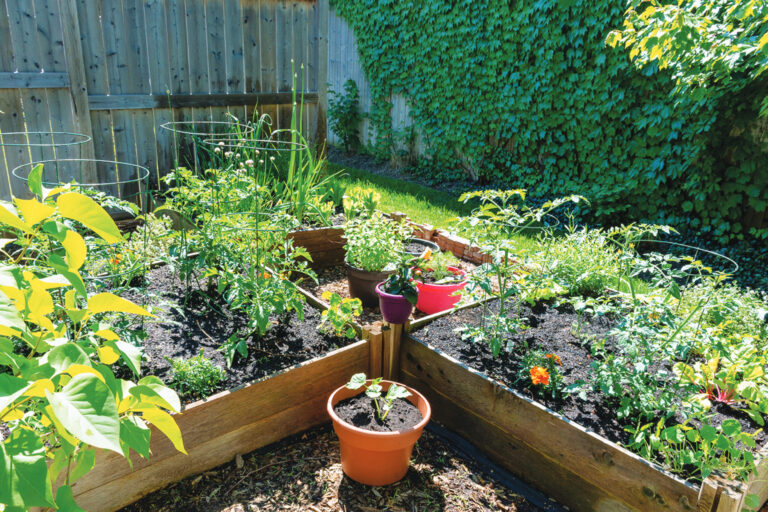
How do heavy metals get into soil? Heavy metals that are bad for plants can leach into the soil over time. Learn how to remove heavy metals from soil so you can be confident that what you are growing is safe to eat.
The term “heavy metal” isn’t well-defined, and different authors and professions use slightly different definitions. One chemical definition includes copper, iron, manganese, cobalt, zinc, nickel, cadmium, lead, mercury, chromium, arsenic, and aluminum. Some people use the term for only the more toxic of these, including arsenic, lead, mercury, and cadmium.
As a gardener, you probably recognize some of these as plant nutrients: copper, iron, manganese, zinc, and aluminum. As with any chemical, the dose makes the poison. These metals are required by plants in small amounts, but high doses are toxic.
Unlike organic molecules, heavy metals are elements, and elements can’t be decomposed, so they tend to accumulate in the environment. Heavy metals are thus ubiquitous in soil, water, and air. They’re also a common industrial pollutant. Plants absorb these heavy metals through their roots and, to a lesser degree, their leaves, so these elements can end up in the fruits and vegetables you and farm animals eat. They then accumulate in our bodies. Arsenic, cadmium, chromium, and nickel are classified as Group 1 carcinogens.
Commercial products are another source of heavy metals. Pesticides that were used in the 1980s contained heavy metals since they’re toxic to pests. Almost all of those products are now banned, but the residual heavy metals are still in the soil. Lead paint was also a significant problem many years ago. The peeling paint of older homes added lead to the soil around them.
The amount of heavy metals that plants absorb depends on climate, the concentrations in soil, and the species of plant. A 2016 study published in the International Journal of Environmental Research and Public Health tested a wide range of vegetables for their ability to absorb heavy metals and found that “the concentration of heavy metals in the edible parts of the vegetables decreased in the order of leafy vegetables > stalk vegetables/root vegetables/solanaceous vegetables > legume vegetables/melon vegetables.”
Although these descriptions sound scary, the real risk from eating fruits and vegetables is low, and the benefits outweigh the risk.
How to Remove Heavy Metals from Soil
The largest potential source of contamination is your soil. If you live in a new development carved out of pastureland or natural areas, you likely have little to be concerned about. On the other hand, if your home is in an old neighborhood, the soil might be contaminated.
Remove old raised beds made from pressure-treated wood prior to 2000 or old railway ties. Newer pressure-treated wood is safe for growing vegetables.
You can get your soil tested for heavy metals. If testing shows your soil is contaminated, you have two options for remediation: Remove the soil and replace it with clean soil, or grow “hyperaccumulators” (plants that excel at picking up metals from soil) for a few years until testing shows a safe level. In the latter case, remove all vegetative growth from the property each year. Don’t compost it, and don’t keep it on the property.
Roads and vehicles are also a potential source of heavy metals. Both car exhaust and rubber tires contain heavy metals. They travel through air and are washed onto neighboring soil when it rains. Gardens located near roads are potentially contaminated.
Airborne material is easily washed off produce and isn’t a serious problem. The amount of contamination in soil depends on the amount of traffic and the distance between the road and the garden. Highways are worse than local roads because of both the speed of the cars and the volume of traffic.
A Swedish study concluded that gardens are safe provided they’re at least 80 feet away from a busy road, which is defined as 3,000 cars per day. Growing food in front-yard gardens next to quiet streets is quite safe. If you live on a busy city street, grow food in the backyard.
Plants vary in their absorption of heavy metals, so if you’re concerned, select vegetables that are safer. Roots, leaves, and stems accumulate more heavy metals than fruits do.
Low-Risk Vegetables
- Tomatoes
- Peppers
- Beans
- Zucchini
Moderate-Risk Vegetables
- Cucumbers
- Melons
High-Risk Vegetables
- Potatoes
- Carrots
- Radishes
- Onions
- Collard greens
- Swiss chard
- Lettuce
Robert Pavlis; excerpted from Food Science for Gardeners (New Society Publishers, 2024)
Originally published in the April/May 2026 issue of MOTHER EARTH NEWS and regularly vetted for accuracy.





