In this episode of Mother Earth News and Friends podcast, Jessi Bloom, Patricia Foreman, and Tradd Cotter discuss soil, what it’s made of, and how to improve the health of your garden and farm soil.

Jessi Bloomis a best-selling author, award-winning ecological landscape designer, and speaker. She owns N.W. Bloom EcoLogical Landscapes, based near Seattle, which is known as an innovator and leader in the field of permaculture, sustainable landscape design, construction, and land management. Her work has been recognized by government agencies and industry organizations and makes headlines in national media. She lives near Seattle with her two sons on their permaculture homestead, which is full of functional gardens and rescue animals.

Patricia Foreman is a sustainable agriculture author, local foods activist, and popular speaker. She has presented workshops and book signings at major national festivals and conferences across the United States. She developed the Backyard Chicken Keeper Certification course. Foreman graduated from Purdue University with degrees in animal science and pharmacy. She has a master’s of public affairs from Indiana University’s Graduate School of Public and Environmental Affairs. Pet believes that we are living in a time of Peak Soil and that we need to turn that around.
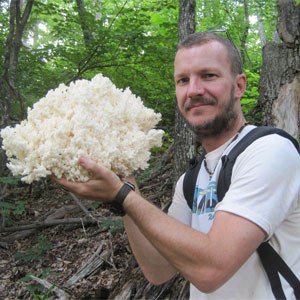
Tradd Cotter is a microbiologist, professional mycologist and organic gardener who has been tissue culturing, collecting native fungi in the Southeast, and cultivating both commercially and experimentally for more than 22 years. In 1996, he founded Mushroom Mountain to explore applications for mushrooms in various industries. He now runs Blue Portal Wellness.
Additional Resources:
- Greater Life Force In the Garden: A Soil Fertility Manifesto
- Grow Cover Crops In your Garden
- Mycorrhizal Fungi: The Amazing Underground Secret to a Better Garden
- Probiotics For the Soil: Brew Your Own Local, Indigenous Microbes
- Understanding Active Soil
- Building Soils Naturally
Our Podcast Team:
Carla Tilghman, Jessica Anderson, Charlotte French
Listen to more podcasts at MOTHER EARTH NEWS PODCAST.
Check out the MOTHER EARTH NEWS Bookstore for more resources that may interest you.
Go to the MOTHER EARTH NEWS video page for an opportunity to see some of our podcast guests live.
The Mother Earth News and Friends Podcasts are a production of Ogden Publications.
Ogden Publications strives to inspire “can-do communities,” which may have different locations, backgrounds, beliefs, and ideals. The viewpoints and lifestyles expressed within Ogden Publications articles are not necessarily shared by the editorial staff or policies but represent the authors’ unique experiences.