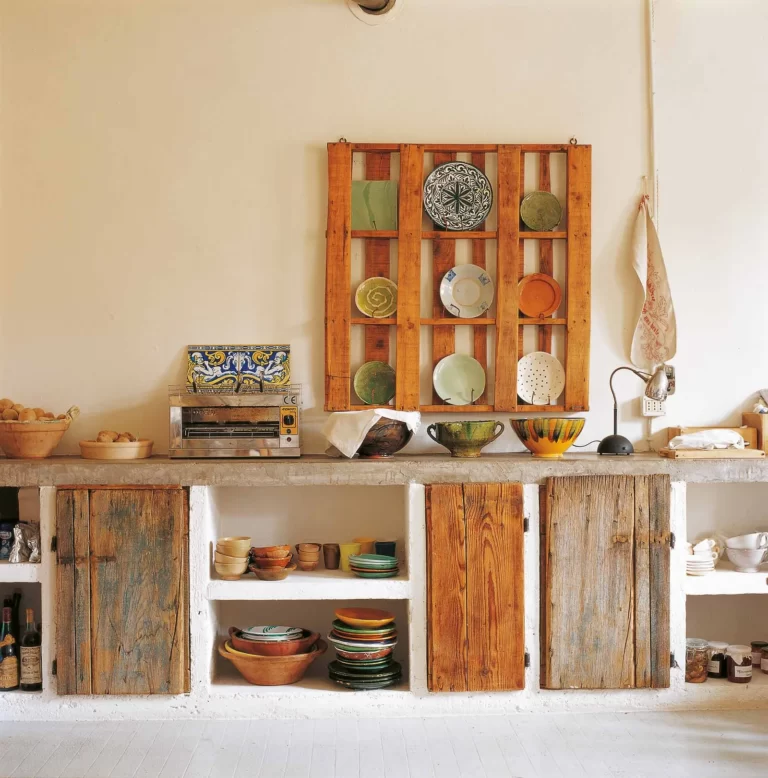
Apply a DIY approach to any facet of your life — food, health, home and more — and you’ll start to significantly save money through self-reliance.
Throughout the years, MOTHER EARTH NEWS readers have proved to be a clever lot. You’ve shown time and again that you can save a bundle when you apply resourcefulness and a little elbow grease to home economics. Frankly, our consumer culture pressures many of us to live above our means. The good news is that making a personal and household commitment to a more frugal lifestyle can be a fulfilling, healthy choice — and the following tips to save money can start you on that journey. Imagine what your life will be like when you slash your grocery or utility bills in half, or when you’re able to pay down your mortgage.
We’ve assembled the following tips to save money from you, our readers, and from our Archive — more than 50 tips from 50 years’ worth of articles about living on less and loving it. After you read our selections, find more details for how to implement the tips that interest you by clicking on the links that follow each tip.
Tips to Save Money on Shelter & Clothing
According to the U.S. Census Bureau, the average U.S. home built in 2024 was 2,210 square feet. For many families, that’s much larger than necessary. Sizable homes are more expensive to build, heat, cool, and maintain. If you’re able to reduce your home size to a cozier and more practical fit that still meets your needs, savings will follow. No matter the size of your house, here are ways to keep your construction, living and maintenance costs down.
1. Learn how to be your own plumber and electrician. Check out how-to books from the library or invest in a class at a vocational school. Read more: Be Your Own Plumber.
2. Join or start a tool-lending library. Power tools are expensive and often only needed for a short time to complete a single project. Read more: Start Your Own Tool-Sharing Program.
3. Build with salvaged materials or scrap materials reclaimed from construction sites. Visit Habitat for Humanity ReStores, search your nearest city’s Craigslist posts, or check with the owners of demolition companies. Read more: Save Money With Used Building Materials.
4. Barter construction labor with friends or neighbors. Read more: Successful Swaps and Barter Agreements.
5. If you’re not ready to own a house, seek an arrangement to provide your labor in exchange for room and board. This is common on farms or in households in need of nannying services. Read more: Volunteer for Sustainable Organic Farming Opportunities.
6. When shopping for land, save on a real estate agent’s commission by browsing for homes listed for sale on the Internet or talking with neighbors and landowners directly. You may even discover an owner willing to sell a plot that’s never been listed. Read more: How to Buy Farmland, Even If You Think You Can’t.
7. Scour thrift stores and consignment shops for unique and affordable clothes. Read more: 13 Ways to Decorate With Thrift Store Treasures, Thrifty is Nifty: How to Make Smart Thrift Store Purchases.
8. Knit, crochet or sew your own clothes. At the least, sew on new buttons, darn socks, patch jeans and learn how to repair clothing you already own before buying new. Read more: How to Knit and Crochet.
9. Forgo the cost of running a clothes dryer and instead string a clothesline in your yard or on a porch or patio. Put up a line in a greenhouse or sunroom in order to air-dry garments during cold or wet weather, or invest in fold-up clothes-drying racks for indoor use. Read more: The Convenient, Sturdy Outdoor Clothesline.

10. Organize a group clothing swap to trade your gently used threads for new-to-you apparel.
11. Cut your family members’ hair yourself. A quality set of clippers will cost less than $50. Read more: The Tao of Cutting Your Hair.
12. Make your own body care products. Most store-bought options can be replaced by some combo of just three ingredients: water, beeswax, and various edible and essential oils. Read more: Herbal Skin Care Basics: Tools, Ingredients, Recipes.
Saving Money on Food & Gardening
Hold on to your grocery and restaurant receipts for one month to track where your food dollars are going — you might be surprised by what you learn. Many North Americans spend nearly half of their food budgets on restaurants and fast food. Avoid most of that expense by cooking at home: Home-cooked meals cost less, and you’ll cultivate a closer relationship with your food because you’ll know exactly what goes into it.
13. Prepare big batches of food on weekends, and refrigerate or freeze leftovers for use throughout the week. Take your own lunch and snacks to work. Read more: Stocking a Pantry for Three Months of Meals.
14. Forgo pricey coffee-shop lattes by drinking coffee at home and filling your to-go cup for the road — or learn to make your own coffee substitute.
15. Buy raw ingredients in bulk rather than prepackaged or prepared foods. Start or join a bulk food co-op and place orders directly with food companies to further cut costs. Read more: Save Money on Groceries.

16. Make your own food staples. For example, home-baked bread can cost about 50 cents per loaf, and homemade cheeses cost about one-third of what you’d pay at the store. Read more: Delicious and Easy Homemade Bread; Easy Cheesy: 4 Super-Simple Recipes.
17. Buy dry beans in bulk at a fraction of the cost of canned products, and pressure-cook them to save time. Pressure cooking also tenderizes inexpensive, tougher cuts of meat in a fraction of the time that conventional cooking requires. Read more: Pressure Cooking Basics (Video).
18. Avoid supermarket prices by organizing a larder swap where you and your friends can trade dried, frozen and canned goods or ready-made meals. Read more: Local Homesteading Groups: Why You Need One.
19. Purchase in-season fruits and vegetables at your farmers market and preserve them to eat year-round. Read more: Collection of Food Preservation Techniques.
20. Cold frames, hoop houses, cloches and other cold-weather gardening devices can help you stretch your home food production further into winter and start up again earlier in spring. Read more: Year-Round Gardening: Our Best Plans for Greenhouses, Hoop Houses, Cold Frames and More.
21. Commercial organic fertilizers tend to be overpriced. Instead, you can use grass clippings from herbicide-free lawns — they contain about 2 to 5 percent free nitrogen. Read more: Build Better Soil With Free Organic Fertilizer!
22. Start vegetables from seeds rather than buying seedlings. Save seeds from your heartiest plants and attend (or organize) a seed swap to trade with other local gardeners. Read more: Best Tips for Starting Seeds Indoors; How to Organize a Community Seed Swap.
23. Learn how to hunt and fish. Deer and other wild game will stock your freezer with delicious, lean meat for the price of a hunting license and initial equipment purchases. Read more: Why I Eat Wild Meat.
24. Even in urban and suburban areas, ordinances often allow you to keep a few backyard chickens for egg or meat production. Super-fresh eggs from backyard hens will cost as little as $1.40 per dozen for feed, and you can raise meat birds for about $3 per pound. Read more: How to Raise Chickens in Your Backyard; Raising Chickens for Meat: Do-It-Yourself Pastured Poultry.

25. Do you have children and go through a lot of milk? Love cheese and yogurt? Keep a couple of goats or a home dairy cow, which can produce more than $3,000 worth of milk each year. Read more: Raising Dairy Goats and the Benefits of Goat Milk; Keep a Family Cow and Enjoy Delicious Milk, Cream, Cheese and More.
Saving Money on Family Health
Health-care spending in the United States averaged $14,570 per person in 2023. What herbalists and thrifty parents have known for millennia, however, is that minor matters of health can often be taken into your own hands for a fraction of the cost, especially when your goal is to prevent illness.
26. Turn the outdoors into your personal gym. Aerobic activity, coupled with a set of dumbbells you keep at home, can eliminate your need for a gym membership. Research shows that being in nature for even a few minutes at a time reduces stress hormones, which in turn boosts immunity. Read more: Your Brain on Nature: Forest Bathing and Reducing Stress.
27. Eating well may be the most enjoyable form of preventive medicine. Organic foods stock your body with nourishing nutrients and are free of toxic chemicals. Read more: Food Is Medicine: Fight Colds with Immune-Boosting Soup.
28. Grow medicine in your backyard! You can make many effective herbal remedies at home using kitchen equipment you likely already own. Read more: 75 Safe and Effective Herbal Remedies.

29. Mental happiness translates to physical well-being. Find happiness in the stress-reducing aspects of simple living, and your body — as well as your mind — will be less prone to illness. Read more: Simple Living: How to Save Money and Smile More.
Saving Money on Home Energy
Take these steps to improve your home’s energy performance, and you’ll enjoy a triple win: lower utility bills, a smaller carbon footprint and a more comfortable home. Before investing in a solar- or wind-energy system, make your home as energy-efficient as possible. An efficient home requires less energy to run, meaning you’ll be able to purchase a smaller, less expensive renewable energy system. To see calculations that outline just how quickly the measures below pay off, read 8 Easy Projects for Instant Home Energy Savings.
30. Plug your appliances into power strips, and flip the switch off when you’re not using them. This will eliminate “phantom loads” from many appliances that continue to pull power when they’re plugged in but not in use. Read more: Zap Phantom Loads to Save Energy.
31. Adjust your computer’s power-management settings so that it powers down into sleep or hibernate mode after several minutes of inactivity. Read more: Reduce Computer Energy Use.
32. Replace inefficient incandescent light bulbs with light-emitting diode (LED) bulbs or compact fluorescent lamps (CFLs). The initial investment will pay for itself after one to three years, and the savings will continue for the remaining life of the bulb — up to 50,000 hours for a quality LED. Read more: Lighten Up With Energy-Efficient Light Bulbs.
33. Rather than relying on air conditioning, open and close windows to regulate home temperature, and use fans to move air throughout your home. Read more: Natural Cooling Strategies.
34. If going AC-free is too challenging in your climate, set your thermostat at 70 degrees Fahrenheit or higher. For every degree you increase your thermostat, you will save seven to 10 percent on cooling costs. Read more: Five Tips to Help You Lower Your Utility Bill.
35. Paint your home — or, better yet, your roof! — a light color to decrease heat gain. Read more: Make Safe, Natural Paint; How to Paint Your House.
36. Wash your clothes in cold water. Friction, rather than heat, does most of the cleaning.
37. Replace your old fridge or freezer with an Energy Star model to save up to $1,000 on energy costs over the appliance’s lifetime. Read more: EPA Strengthens Requirements for Energy Star Appliances.
38. Seal and insulate heating ducts. The cost to insulate ducts is only about 25 cents per linear foot of ductwork, and unsealed ducts can lose up to 30 percent of heated air through cracks and openings. Read more: Insulation Pipes and Heating Ducts; Insulating Your Home Can Save You Money!
39. Insulate your windows with transparent acrylic panels, insulative clear plastic or bubble wrap secured to the interior of your window frames. Read more: Find the Best Energy-Efficient Window Treatments.
40. During cold weather, use a heated mattress pad to keep you warm at night. Similarly, wear sweaters and use a small space heater in a room you can close off. You can then turn down your thermostat. Read more: 8 Easy Projects for Instant Home Energy Savings.
41. If you live in a suitable area and have access to a woodlot, heating your home with a woodstove can reduce your energy costs. Read more: How to Choose the Right Woodstove.
Saving Money on Transportation & Travel
Fifty-two percent of all automobile trips are less than 3 miles — and 28% of all trips are under a mile. Walking these miles paves the way for you to save at the gas pump while reducing stress, fostering a greater connection to your environment and getting in a workout. More than 80% of North Americans support increased federal funding for biking and walking, and at least 16 of the nation’s major public transportation systems reported record ridership in 2012. Clearly, the first step to cutting transportation expenses should be the step you take away from your vehicle.
42. Ride a bicycle. Leave your car in the garage and consider an electric-assist bike for sweat-free commuting. Read more: Ride Green With Electric Bikes and Scooters.

43. Take advantage of car-sharing or bike-sharing programs rather than owning and maintaining a vehicle. Read more: A Growing Trend, Car Sharing Offers a Different Mobility Option; Bike-Share Programs Across the World.
44. Save all of your errands that require a vehicle for a single trip.
45. If you commute by car, set up a carpool with your co-workers to save fuel. Read more: Get With a Carpool: Save Money, Get the Good Lane.
46. Learn how to change your own oil and perform other maintenance on your vehicle to avoid service fees. Read more: How to Change Oil in Your Car or Truck.
47. When shopping for a car, buy the most fuel-efficient model that meets your needs. The difference between a 16-mpg model and a 14-mpg model, for instance, can reach $400 in fuel costs annually. Read more: New Fuel Economy Labels: What You Need to Know; Best Fuel-Efficient Cars by Each Automaker, Now and Later.
48. “Hypermiling” means adjusting your driving habits to save fuel, and these tactics can help you achieve up to 40 percent more miles per gallon. Drive slower on highways, brake less and accelerate smartly. Read more: Every Gallon Counts: Hypermiling Tips to Save Gas; How to Calculate Gas Mileage.
49. You can produce your own ethanol for an ongoing cost of less than $2 per gallon. Just 2 acres of corn can produce enough ethanol to drive 10,000 miles. Read more: Make Your Own Fuel! Alcohol Fuel Basics; Build a Small-Scale Ethanol Fuel Plant.
50. Alternatively, convert your diesel-powered car or truck to run on vegetable oil. You could even build a wood gasifier unit to run your pickup on waste wood from a sawmill. Read more: Wood Gas Wizard; Wood Gas Generator: Run Your Truck on Firewood!
51. When flying, be flexible. Many airlines overbook flights and offer a free trip at a later time to those who are willing to give up their seats.
52. Home swap so you can enjoy free lodging in a new location. Check out AirBnb to find homeowners willing to rent out their homes to travelers, or crash on someone’s couch by connecting with hosts on Couchsurfing.org.
53. Explore where you live. Plan a “staycation” to travel locally and discover something wonderful within a 50-mile radius of home. Read more: Be an Ecotourist Anywhere, ‘Staycations’ in the USA.
54. When renting a car or truck for a trip, choose a model with fold-down seats and pack a sleeping bag. That way, your rented ride can double as instant, snug lodging.
Saving Money on Education
Rising tuition costs coupled with stories of college graduates unable to find work are discouraging to those hoping to further their own education or plan for their children. Meaningful education can come from a variety of avenues aside from expensive university courses, such as vocational trainings, skills workshops and community-based classes.
55. For the college-bound, consider taking most course requirements at a community college, and then transferring your credits to a university to complete your degree. Read more: Homesteading and the Kids’ Higher Education.
56. Attend an in-state, public university, which will subsidize residents’ tuition. If you want to attend college out of state, first establish residency in that state to save big on tuition.
57. Source used textbooks online, at a bookstore that sells used books or directly from other students. Coordinate with students in your degree program early so you can swap books.
58. Audit classes for which you want the knowledge but don’t need the credits.
59. Free video lectures on topics ranging from art history to economics can be viewed online at Khan Academy and Academic Earth. Some universities, including Yale and Utah State, also offer open courses.
60. Trade skills: If you play the piano, for instance, trade your musical training for a photography lesson. Read more: Bartering for Better Living.
Saving Money on Entertainment
Modern society has replaced creativity with consumption. We choose carryout in place of preparing a home-cooked meal; we listen to music rather than making it. But as Shannon Hayes explains in her book Radical Homemakers, prepackaged pleasures pale in comparison with the joy that comes from fixing, making and tinkering with things. To be entertained isn’t always a passive experience, nor is it wholly personal. Part of the pleasure of attending a community play, visiting an art museum or catching a Little League game is in sharing that time with others.
61. Use free hot spots to avoid paying for Internet use. Some towns enjoy free citywide wireless service.
62. Ditch your TV, or at least your cable service. The average cable subscriber pays about $128 each month for service and associated fees — more than $1,500 per year. If you do watch TV, move your set to a less-used part of your house to discourage mindless viewing. Read more: End Your Family’s TV Addiction.
63. For a night out without the kids, trade babysitting time with other families or join a babysitting co-op. Break the bank: Build Your Local Economy.
64. Cities and towns offer a cultural smorgasbord of free and inexpensive events. Check online bulletins and local announcement boards for summer movies in the park, art gallery openings, benefit concerts and more.
65. During the holidays, save a bundle on gift-giving by crafting handmade gifts. If you do buy gifts, discuss with loved ones the possibility of setting a gift-spending cap. Read more: Handmade Holiday Gifts: Ideas From Our Facebook Friends; 15 Homemade Holiday Gift Ideas.
These tips are only the first steps toward financial freedom. We know you’ll discover more ways to save, because when you tackle projects yourself and embrace the joys of simple living, your pocketbook — and your mind — will instantly reap the benefits.
Resources to Save Money Through Self-Reliance
- Encyclopedia of Country Living by Carla Emery
- The Householder’s Guide to the Universe by Harriet Fasenfest
- Made From Scratch by Jenna Woginrich
- Radical Homemakers by Shannon Hayes
Kale Roberts is an associate editor of MOTHER EARTH NEWS magazine since 2012. He helps city governments create their sustainability and climate plans, and supports local leaders’ engagement with the United Nations. He lives in New York’s Hudson Valley region.