



Long-standing lore, such as reading the clouds to predict the weather or using a divining rod to find water, enriches the traditions and culture of simple living. Author Jerry Mack Johnson offers a definitive guide of these whimsical teachings as well as practical advice for modern homesteaders in Old-Time Country Wisdom and Lore (Voyageur Press, 2011). Learn how to can fruits and vegetables, make a hammock, find the best fishing spots and more in this homespun encyclopedia of classic country know-how. Learn about the history of gravestone rubbing and create your own unique pieces in this excerpt from chapter 12, “Ways with Paint and Paper.”
You can purchase this book from the MOTHER EARTH NEWS store: Old-Time Country Wisdom and Lore.
History of Rubbing Technique
The technique of rubbing is thought to have originated in China around 300 B.C. The practice spread throughout the Chinese empire and eventually the entire Far East. In the beginning, it served as a means to disseminate the written word prior to the invention of the printing press. Literature and edicts of emperors were incised on stone tablets and then reproduced on paper by rubbing. Eventually, pictures were carved in stone expressly for the purpose of being copied in this way. Later, archaeologists employed the method to record early tomb carvings.
Choice of Gravestones
You can use this ancient technique to create decorative pictures for your walls. Surfaces or objects to rub are almost limitless: brasses, architectural reliefs, medals, coins, any incised designs, bark, leaves, flowers, etc.
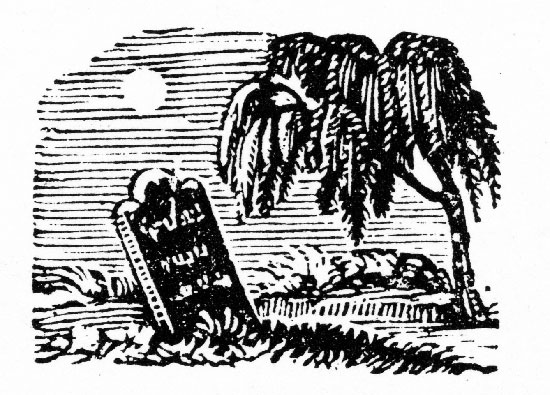
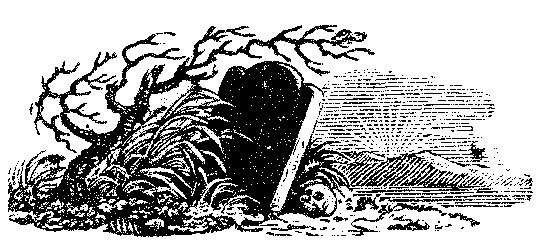
Perhaps some of the most unusual and interesting rubbings can be made on gravestones in old burial grounds. Those dating before 1800 are hand carved and represent the first sculpture of colonial settlers. As such, they are a unique expression of primitive American art. The stone slabs with their carved motifs and religious symbols were intended for instruction of the generally illiterate public in matters of man’s mortality, his relation to God, and the blessings of heaven, thus reflecting religious attitudes of the times.
Gradually, as Puritan faith became less strict, religious symbols were replaced by stylized portraiture. Details of dress currently in vogue and often the occupation or social status of the deceased were depicted by the stonecutter. These early craftsmen displayed an instinctive sense of design and expert workmanship. So, gravestone rubbings several centuries old are both historically and artistically valuable.
While the philosophy of Puritans was revealed in symbols, views of the Old West were expressed in pithy epitaphs, always informative and sometimes amusing. Epitaphs in southern burial grounds often exceeded a single statement; they related a complete story of the circumstances leading to death in colorful local dialect, many times with primitive spellings.
Stonecutters, much in demand in more densely populated areas of colonial life, were master craftsmen. However, smaller towns throughout the country had to depend on woodcarvers or even shoemakers for tombstone carving. Their inexperience left us markers with entire words deleted or letters squeezed in at the end of a line, giving them a quaint appeal.
If you want to create and display such samples of your national heritage, follow these guidelines.
Essential Materials
The essential materials for making a gravestone rubbing are few:
- Cleaning Aid: piece of styrofoam, a soft hairbrush, or a rubber school eraser
- Paper: butcher paper (long sheets are available at meat markets), detail paper (used by architects), rice paper, or any kind of thin, strong, linen-base paper
- Masking Tape
- Rubbing Medium: black lumber-marking crayon or primary crayons (used in primary grades, they have a flat side to prevent their rolling off desks)
- Kneeling Pad (optional): carpet sample or foam-rubber pad
Surface Preparation
The time of year when you can work most comfortably and efficiently is early spring. By then winter has killed the weeds, and the sun and showers of a warmer season have not yet prodded the growth of grasses, briars, and branches, or roused snakes from their hibernation. The rains and snow of winter will have removed at least some moss from the surface of old gravestones.
If you find a heavy accumulation of moss or lichen on the stone’s face, clean the surface gently but effectively with a small block of styrofoam, a child’s nylon hairbrush, or a rubber eraser. (Never use a wire brush or harsh abrasives; old, weather-beaten markers are soft in texture and will erode easily.) By gently rubbing across the stone, most of the moss or other foreign matter will be removed. Where moss clings stubbornly, rub the area with a rag or sponge saturated with vinegar.
Rubbing Technique
After preparing the stone’s surface, attach a large sheet of white or light-colored paper with masking tape in the center of all four sides, smoothing the paper from the middle outward before applying each strip. If more pieces are needed to make the sheet adhere tightly, position them midway between the original tape.
Remove the paper wrapper from the crayon (brown or black is most effective) and, using the flat side, work from the center outward. Establish the entire design lightly. The inscription and decorative motifs will spring into relief on your paper. Raised areas beneath the sheet will be registered by the crayon; depressed areas will remain white. Then, using firmer pressure and working from the edges inward, repeat the procedure.
Check your reproduction at a distance for uniformity of color. Correct weaker areas.
Now that your print is complete, remove it by peeling the tape from the paper toward the stone. To reproduce other surfaces, from coins to manhole covers, follow essentially the same method.
Framing the Gravestone Rubbing
Set off your rubbing to best advantage with a rustic picture frame. An abandoned, weather-beaten farm building will provide appropriate material (with the owner’s permission, of course). Usually, you can have a few rough-textured boards for very little or nothing at all. Select boards that are relatively straight. Don’t be concerned about nail holes; they will only enhance the rustic look of the finished product.
Before making the frame, dry any wet wood for several days or more. You may want to add to the frame’s weather-beaten appearance with the application of a light gray, semitransparent shingle stain. Brush in the direction of the grain.
Travel back in time to a simpler way of living: For more from Old-Time Country Wisdom and Lore, read Country Events: Harness Racing, Hoedowns and More and Country Games: Marble Game, Mumblety-Peg and More.
This excerpt has been reprinted with permission from Old-Time Country Wisdom and Lore: 1000s of Traditional Skills for Simple Living by Jerry Mack Johnson and published by Voyageur Press, 2011. Buy this book from our store: Old-Time Country Wisdom and Lore.






