While the EAA (Experimental Aircraft Association) AirVenture, featured numerous electric Vertical Takeoff and Landing (eVTOL) prototypes and concepts in their Aviation Gateway Park, on the main Celebration Way concourse, electrified flight was on display. The AirVenture is one of the largest fly-in aviation events in the world, held in Oshkosh, Wisconsin, every July.
Along with photographer John Ivanko, I’ve been covering the steady electrification of mobility, first at the Consumer Electronic Show where Bell revealed its Nexus eVTOL “air taxi” and Harley Davidson launched their first electric motorcycle, and now at the EAA AirVenture, with new electric aircraft.
Slovenia-based Pipistrel is leading the way in electrified flight. Their booth near the main EAA AirVenture admission gates was well before the luxury private jet displays or Boeing Plaza where some of the most expensive, powerful and fast aircraft were being shown off.
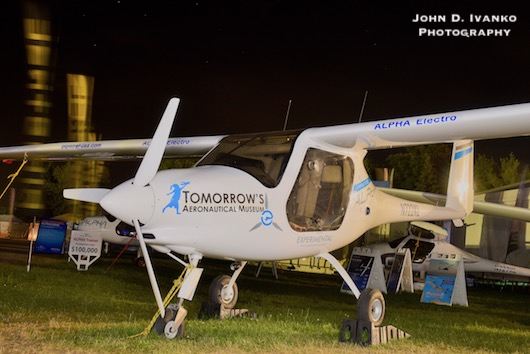
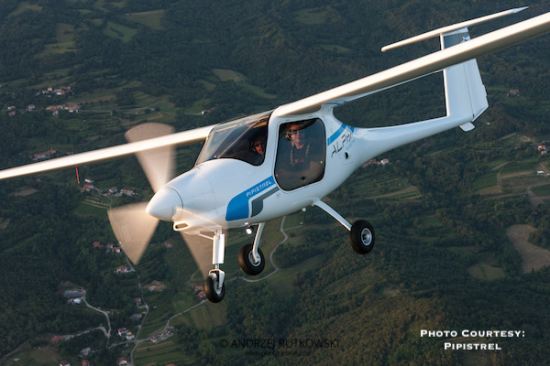
Pipistrel produces two electrically-powered production aircraft, the ALPHA Electro, designed as a light sport aircraft, and the Taurus Electro G2, the first electric 2-seat self-launch glider. They’re also busy at work on their Pipistrel 801, an eVTOL aircraft. A leader in innovative aircraft design and manufacturing, Pipistrel has over a dozen airframes in production and has received numerous awards for flight efficiency, including the NASA CAFE Challenge which Pipistrel won three times in a row.
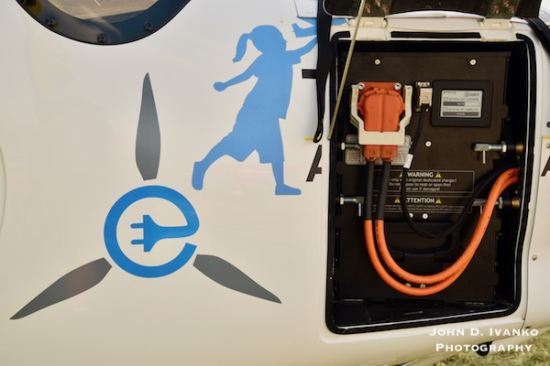
First released in 2017, the Pipistrel ALPHA Electro is a 2-seat electric light sport aircraft tailored to the needs of flight schools or for recreational pilots. The single prop airplane with a 60-kW motor takes advantage of a short take-off distance, powerful 1,000+ feet per minute climb, and endurance of a one hour flight time, plus reserve. As a trainer, the Pipistrel ALPHA Electro is more expensive than the gasoline-powered version, but it can be operated for less than half of the gasoline equivalent. According to Pipistrel, it costs as little as $3/hour for electricity to operate the aircraft and takes about 1 hour to recharge the lithium ion battery with a 20 kW charger.
Pipistrel’s commitment to the environment with their electric aircraft, however, crosses over to their manufacture as well. At the moment, mostly composite parts including fuselages and wings, prototyping and the electric program that includes the Alpha Electro and Taurus Electro G2, are made in the 25,833-square-foot manufacturing facility that features a 107 kW solar electric array that, combined with a co-generating unit, completely meets the electricity needs of the factory. The facility also has a geothermal heating and cooling system, super-efficient insulation, and an intelligent light system.
“Our green aircraft are built in a green, one hundred-percent energy self-sufficient and emission-free building,” says Taja Boscarol, Public Relations Manager, based at the facility in Slovenia. “Regardless of the higher costs of construction and planning of such buildings, Pipistrel believes that it will soon become evident that such energy self-sufficient constructions are indeed more cost effective over longer periods of time.”
As the aircraft industry adapts to the realities of climate change and need to curb emissions, it’s likely that hybrid airplanes may also ease the transition in a similar way that hybrid vehicles helped transform the automobile industry.
According to Ampaire CEO Kevin Noertker, electric hybrid retrofits of existing aircraft will lead the way to the decarbonization of aviation. We caught his presentation about the emerging electric aviation market at EAA AirVenture’s Aviation Gateway Park. This retrofits approach will address two major problems in commercial aviation: high operating costs and the environmental impact of carbon dioxide emissions and other emissions. It may also reduce noise levels at airports located in major metropolitan areas.
The Ampaire Electric EEL is a twin-engine Cessna 337 Skymaster modified to fly with one conventional combustion engine and one electric motor. The largest hybrid-electric aircraft flying today, the Electric EEL will enter flight trials on commercial routes with Mokulele Airlines in Hawaii later this year. FAA certification of the Electric EEL is projected for 2021.
“The most practical way to achieve an all-electric future is to jump start the market with a partially-electric present,” said Noertker. “Ampaire is currently demonstrating the ability to cut fuel consumption by fifty-percent and reduce emissions accordingly. The next may be a hybrid or fully electric retrofit of a nine- to 19-passenger commuter/cargo aircraft. As batteries and powertrains mature, we will shift our focus to clean-sheet designs such as our nine-passenger, zero-emissions Tailwind concept.” As a leader in aircraft electrification, Ampaire’s vision is to make flights more accessible to more people from more airports by providing electric aircraft that are clean, quiet, and less costly to operate.
Aviation is estimated to account for roughly three percent of global greenhouse emissions, not including the impact of military aircraft. A recent study by UBS Investment Bank found that 23-percent of the respondents in Germany and the USA cited flying as an activity with a negative impact on the environment, second to driving a personal vehicle. As a result, UBS forecasts a $178 billion market for electric hybrid aviation as more customers demand the airline industry to be more sustainable and provide green options.
Liam Kiviristis a tech writer, drone pilot, computer hardware geek, fledgling programmer and freelance web developer. Based on a small organic farm in rural southwestern Wisconsin, Liam marries his deeply rooted love of the outdoors, food, and camping with his passion for technology. Connect with Liam onTwitter, atTechSocket.netandwww.liamkivirist.com.
All MOTHER EARTH NEWS community bloggers have agreed to follow our Blogging Guidelines, and they are responsible for the accuracy of their posts. To learn more about the author of this post, click on their byline link at the top of the page.