
Are fermented foods good for you? Learn how to ferment food that can provide a more nutritious and digestible diet, but be wary of health claims that seem too good to be true.
Are Fermented Foods Good for You?
Fermented foods, as a group, are highly nutritious and digestible. Fermentation pre-digests foods, making nutrients more bioavailable, and in many cases fermentation generates additional nutrients or removes anti-nutrients or toxins. Ferments with live lactic-acid-producing bacteria intact are especially supportive of digestive health, immune function, and general well-being.
As I write, the Proceedings of the National Academy of Sciences has just published exciting new research establishing that gut bacteria influence immune responses far from the intestines, and specifically that they are associated with “productive immune responses in the lung” in response to influenza virus infection, and revealing “the importance of commensal microbiota in regulating immunity in the respiratory mucosa.”
Bacteria in our gut, potentially enhanced by bacteria in foods (as well as probiotic supplements), can have far-reaching and profound impacts on our health. In my own healing journey, I have found that live-culture foods help me feel good all around and give me a proactive way to help myself, as well as others. However, this does not mean that live-culture fermented foods are panaceas.
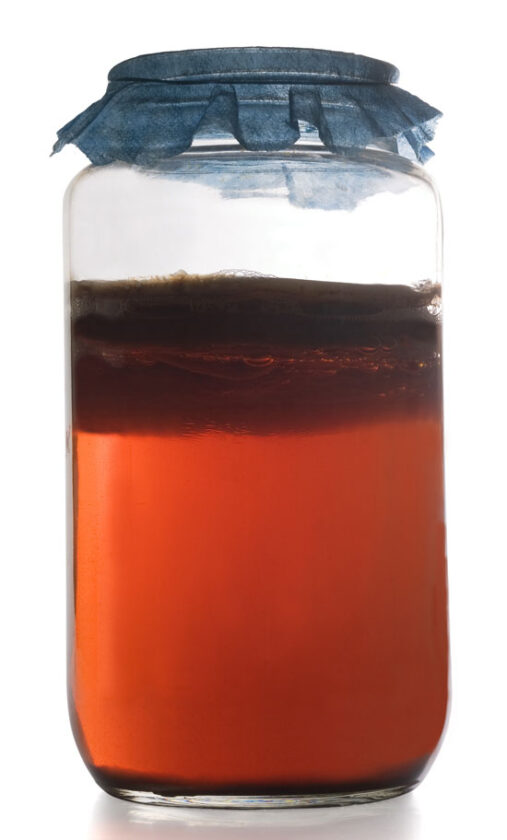
Many miraculous claims have been made on behalf of particular fermented foods, but I think it is important to approach such claims with skepticism. For instance, I do not think that daily consumption of kombucha (sugar and tea, partially fermented) is likely to cure diabetes, as claimed by some web promoters. I think people with diabetes should use kombucha only in moderation, if at all, and perhaps get their live cultures from less sugary ferments such as sauerkraut and yogurt.
The potential improvement of overall health does not necessarily ensure any particular outcome, and specific claims must bear scrutiny. In 2010, yogurt giant Dannon was found by the US Federal Trade Commission to have made “false and misleading claims” by suggesting in its marketing that its probiotic yogurt product line “reduces the likelihood of getting a cold or the flu” and “is scientifically proven to help with slow intestinal transit.”
The FTC action forced Dannon to stop making these “unsubstantiated” claims and pay $21 million to the 39 states that had challenged them.
In our culture of immediate gratification, we want magic-bullet cures, and enterprising marketers wish to oblige us. While I wish it were so, live-culture foods are not a cure for AIDS. And although consumption of yogurt, sauerkraut, miso, and other live-culture foods has been correlated with diminished cancer risks, I’m not convinced that any (or all) of them would be sufficient as primary treatment of an acute cancer.
This excerpt has been reprinted with permission from The Art of Fermentation by Sandor Ellix Katz and published by Chelsea Green Publishing, 2012.