

Leftovers
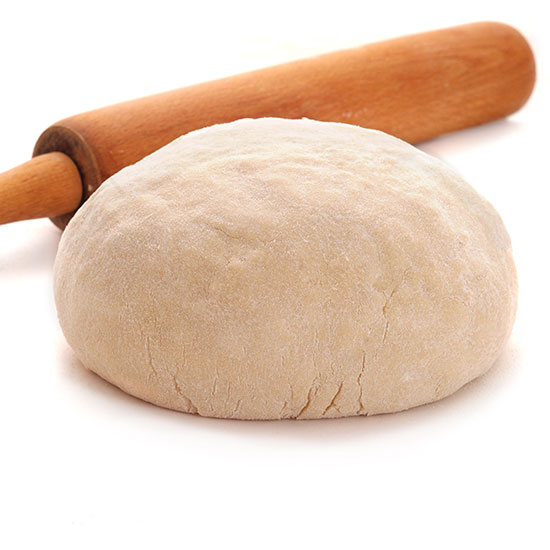
If you have a chunk of dough left over after the first
rising, don’t toss it out — freeze it! Thaw it out later
for an easy pizza crust. It can also be mixed in to
sourdough and other yeast breads.
Rising Conditions
Ideal rising conditions are a moist and warm environment,
about 68°F. I like to use plastic bags over dough to
keep the moisture in and leave it, after the second rising,
with a damp and shiny — almost tacky — surface.
Accurate Measuring
Accuracy in weights and measures is vital to successful
bread. You should always weigh the flour at least once to
get the equivalent in cup measures. The water measure or
weight is even more important — a tablespoon one way or the
other will make a difference. Salt and yeast must also be
measured accurately.
Managing Atmosphere
For temperatures over 75°F (24°C), you can
compensate by taking 1 tablespoon of water at a time away
from the basic recipe. Keep in mind that the dough should
be tough. If you’re baking when temperature tops 90°F
(32°C), increase the salt (1 teaspoon for the recipe)
and use cold tap water to compensate.
A Word on Flour
All-purpose flour has 11.5 percent gluten protein instead
of the 12.5 percent in usually found in bakers’ bread
flour. Due to the lengthy rising times required for this
recipe, this gluten difference is incidental.





