

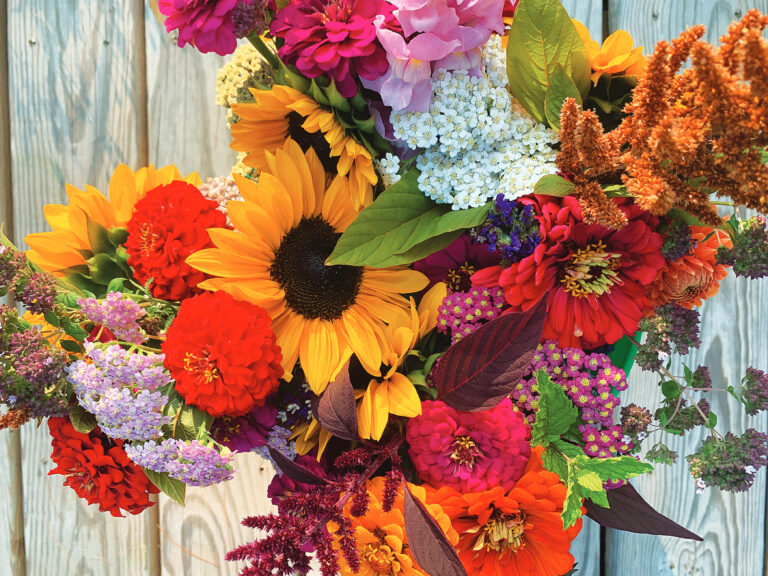
Grow the best flowers for cutting gardens with these floral superstars, including the best perennials for cut flowers.
Growing flowers to cut for bouquets is one of the great joys of gardening, but many of us struggle with it. We may not know which flowers to plant, plant too few flowers to get bouquets, or choose varieties that all bloom at the same time, leaving us with a one-time flush of flowers and then no more blooms.

Best Flowers for Cutting Gardens
When designing a flower patch for cutting, plant enough flowers that you don’t feel bad harvesting them for the house. If you have only one dahlia or five sunflowers, you may decide you’d rather appreciate them out in the garden. With a strip of 50 or 100 zinnias, it’s easier to snag a few dozen for the kitchen while still leaving plenty of blooms for enjoyment in the garden.
One key to a well-planned cut-flower garden is to have at least three plants ready every month for use as blooms or filler, from early summer until frost. It’s easy to overlook bloom timing and end up with a garden full of plants that won’t flower until August. Planting with blooming periods in mind (early, middle, late) will yield a much longer season of fresh-harvested bouquets to enjoy.
A cut-flower garden should be easy to harvest from, and the flowers should be low-maintenance, both in the garden and in the vase. All the recommendations in this article will usually last five days or more in a bouquet, and often more than a week, with two simple steps. First, place all cut stems immediately in water as they’re harvested. Bring a vase, jar, or small bucket of water to the garden with you. Second, change the water regularly. I’ve found (mainly by forgetting) that a daily change-out isn’t necessary, but fresh water twice a week will help. It’ll also prevent a common problem: the vase going dry. Fresh-cut flowers from the garden will continue to take up water for several days, unlike store-bought flowers. Changing the water and keeping it topped off will keep them in good shape.
Annuals to Grow from Seed
For a cut-flower garden, you can’t get a bigger bang for your buck than growing a patch of annuals from seed. The fun part of growing annual flowers from seed is being able to try a new variety for just a couple of dollars. You’re unlikely to ever run out of new colors, species, and varieties to try.
Amaranth
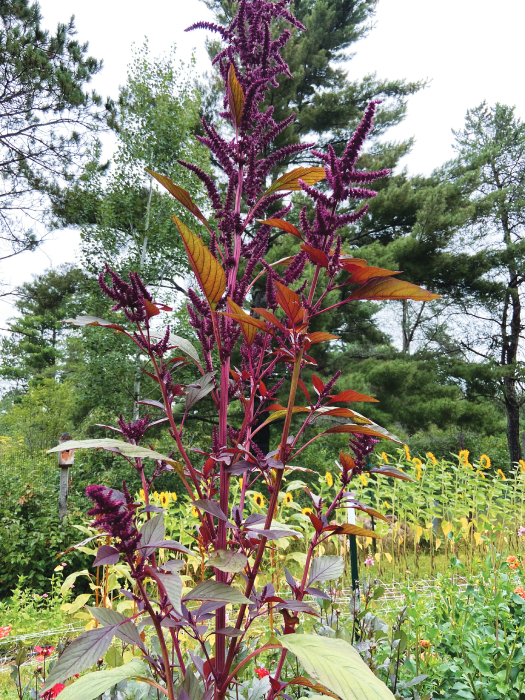
This is a lesser-known cut flower that’ll make your bouquets look unique and polished. Amaranth is easy to grow from seed, and, in fact, it sometimes self-seeds. While often grown for eating, colorful varieties make excellent additions to cut-flower arrangements. I like to grow ‘Red Spike’ and ‘Hot Biscuits’ for their burgundy and bronze airy blooms.
Pinching amaranth will keep the plants shorter and bushier, providing more material for cutting. However, I sometimes leave them to grow as they will. This year, a volunteer amaranth in the dahlia patch towered over 7 feet tall, loaded with side branches of colorful plumes.
(While many ornamental varieties of amaranth are great to include in the garden, avoid pigweeds, such as Palmer amaranth, Amaranthus palmeri, considered a noxious weed that’s highly competitive with agricultural crops. – Mother)
Cosmos
If you love tall flowers and don’t mind a bit of organized disorder in your flower bed, a patch of cosmos is a perfect choice for a cut-flower garden. Some varieties will become a 6-foot-tall hedge of greenery and bright blooms when given at least partial sun and fertile, well-drained soil. They can be started indoors or direct-seeded in spring. Once they start, they’ll keep blooming for the rest of the season.
Cosmos are a double-duty flower in the arrangement, providing color and blooms as well as attractive greenery. For all flowers, including cosmos, strip off any leaves from the lower part of the cut stem when arranging them in the vase.
Branching sunflowers. Standard sunflowers are great, but their bloom time is limited. Most produce one big, showy bloom per stem, and then they’re done. In the cut-flower garden, we like more bloom power. Plant some regular sunflowers for show and for the birds, but leave a sunny spot reserved for branching sunflowers. Instead of one huge flower, they’ll keep providing more modest-sized blooms until frost.
Branching sunflowers have smaller stems, making them easier to use in a vase. If you’ve ever tried to stuff a broomstick-wide sunflower stem into an arrangement, you know it can be a challenge. Breeders have developed branching sunflowers in a wide array of colors, so you can match them to other garden design elements.
Provide full sun, some well-drained soil, and a little extra water during dry weeks, and they’ll be loaded with blooms. Keep them deadheaded if you aren’t harvesting them fast enough to keep up. At the end of the season, it’s fun to let them go to seed for the birds to pick at.
Zinnias
If you think zinnias are boring, check out the wide selection available from a large vendor. Zinnias are excellent for the cut-flower garden because they’re easy, reliable, inexpensive, and they just keep on producing. They’re also super easy to deadhead. A quick snip and you’re done. They bloom best in full sun but will still produce flowers in afternoon shade and are happy with an inch of water per week. If you have powdery mildew issues, try spacing them a bit farther apart for better air circulation.
Zinnias are available with simple blooms or fluffy doubles, which rival dahlias for their complexity. Short-stature zinnias are great for borders and containers, but for cut flowers, choose taller varieties to give you those long stems. I love planting a triple row of ‘Benary’s Giant.’ The depth of color is amazing, and the plants often reach more than waist-high.
Best Perennials for Cut Flowers
Perennials offer two distinct advantages for a cut-flower garden. The first advantage is that they’ll keep coming back every year, usually without much effort on our part. Unlike some of our annuals, perennial flowers typically don’t need to be started indoors, hardened off, transplanted, or given much TLC. Second, many perennial flowers bloom earlier in the season than annuals. With an established root system and food stores, they’re much quicker to spring forth and grow. Many perennial flowers are in full swing and a foot or two tall when sunflowers and zinnias are still seedlings, poking up through the mulch.
Bee Balm
Also known as Monarda, bee balm is a fragrant native flower that makes an excellent perennial addition to a cut-flower garden. Not only does it come back year after year, but it also flowers early, and the blooms remain attractive for quite some time.
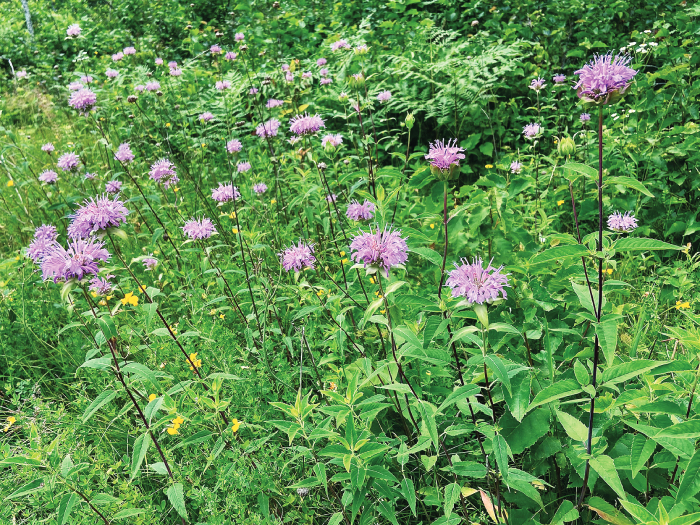
It’s loved by pollinators, and hummingbirds regularly buzz around my bee balm patches in early summer. Bee balm reliably flowers even under partial sun, and, once established, it’s fairly drought-tolerant. Space it appropriately to promote good air circulation, and avoid overhead watering to reduce the risk of powdery mildew. Bee balm can spread quickly, so you may have to keep it in check by dividing off new outgrowths to plant or give away. Most varieties are cold-hardy in Zones 4 to 9.
Yarrow
This easy perennial is a cut-and-come-again star, is usually ignored by the deer, has a pleasant fragrance, and stands up well in a vase. Native yarrow is often white, but yarrow cultivars are available in many colors.
Start yarrow from seed in late winter, and nurse the baby plants along, hardening off and transplanting after your last spring frost. As it becomes established, you’ll be able to divide your yarrow plants with a garden spade and replant them wherever you’d like more yarrow. The plants will spread rather slowly, so it isn’t much of a chore to keep them in check. While yarrow is drought-tolerant, a little extra water during dry weeks will keep the blooms lush. Most yarrows are cold-hardy in Zones 3 to 8.
Yarrow acts as a filler and a flower in your bouquets and has an excellent vase life when placed in water immediately after cutting. Snip the stems low to the ground, strip the foliage partway up the stem, and use it to fluff out your bouquets.
Bulbs and Tubers
Bulbs and tubers offer flowers we can’t get from seed, and they’re usually very reliable, popping up without fuss in spring. Try a spring-flowering bulb and another for midsummer into fall.
Dahlias
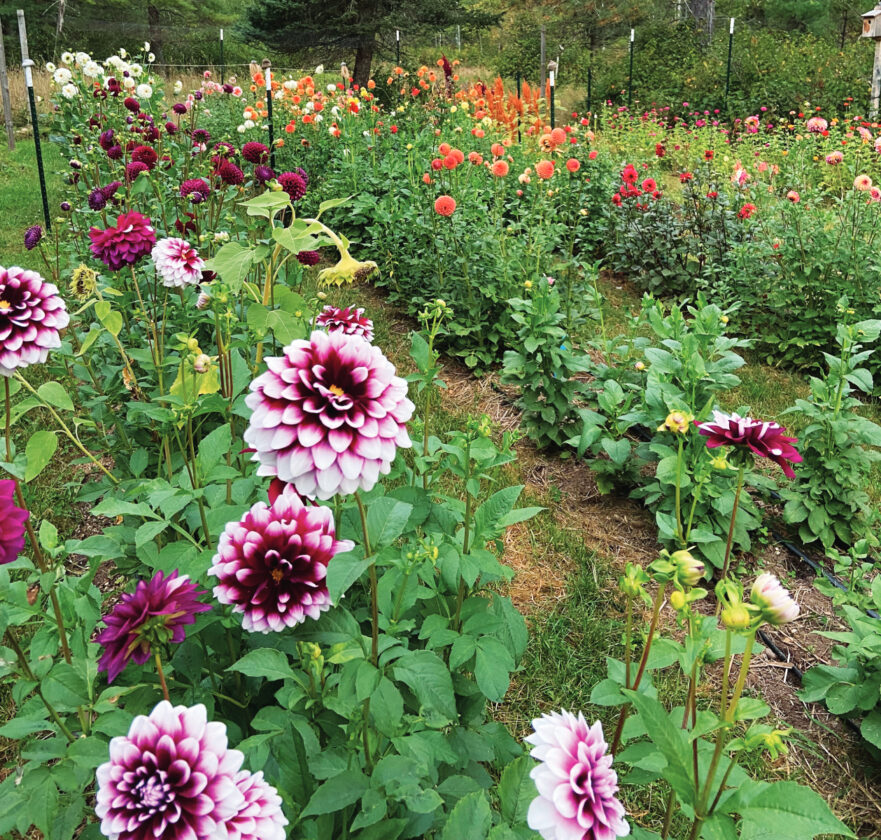
Dahlia flower power is unmatched, and once you invest in tubers, they can be multiplied and split and enjoyed for years. Growing two dozen dahlias is space-efficient and an easy way to get high-end blooms for the vase. The extra effort comes in fall when you have to dig the tubers. For us, two dozen dahlias can be dug, washed, divided, and stored in a couple of hours.
Dahlias are the star blooms in your bouquets. In spring, they sprout from tubers as willingly as potatoes, grow reliably with a bit of moisture and sunshine, and will flower from late summer all the way until frost. Dahlias do need a well-drained site, so plant them in raised beds if you have wet, heavy soil.
Pinch dahlias when they’re about 6 to 8 inches tall to make them bushier. Taller varieties benefit from staking or other support. Keep them evenly watered in summer. Cut dahlia stems deeply to encourage long stems in future harvests.
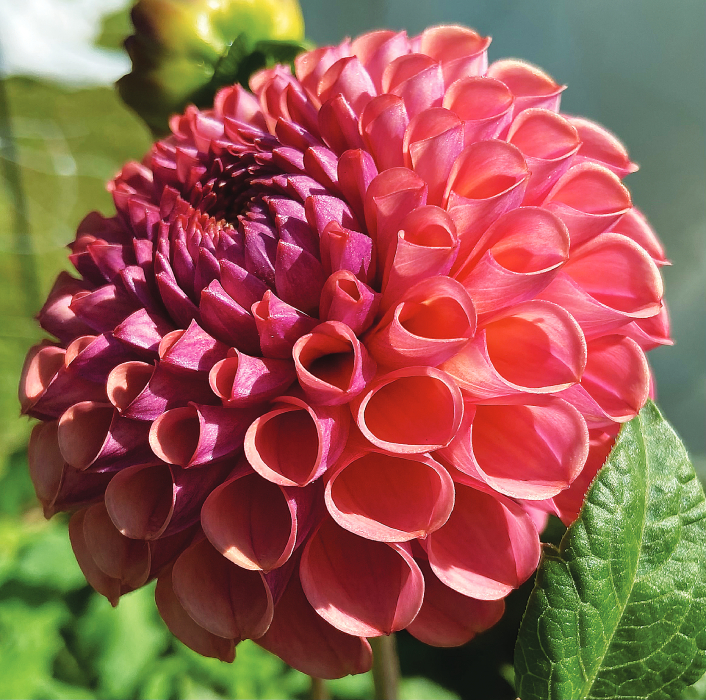
Allow frost to kill the aboveground vegetation in fall, and a week or two later, carefully dig them up, wash off the soil, let them dry, and then store them in a cool, dark, and humid spot. They can be divided immediately or in early spring when the eyes are a bit more visible.
Tulips
Nothing says spring like a tulip, and after a long winter, their bright colors are some of the first on the scene. While tulips are actually perennials, most are grown as annuals. Their first bloom season is the most spectacular, and after that, many varieties sort of fade. A raised bed can be stuffed with tulip bulbs in fall and provide dozens of blooms in spring.
Tulips can be separated into early, mid, and late season, so planting some of each can extend your tulip bloom season to last for four weeks or more. Since the energy they need to flower is in the bulb, they can be planted in less-than-sunny spots if you intend to treat them like annuals.
Easy Filler Plants
A bouquet of dahlia blooms needs no filler, but for most arrangements, a bit of filler is a nice way to add contrast. Filler should last as long as or longer than the main attractions, be plentiful and easy to grow, and always be available when you need it.
Oregano
Isn’t oregano for the kitchen? If you’ve grown oregano, you know it spreads just like mint. It is, after all, a member of the mint family, Lamiaceae. Although not native to the U.S., it’s beloved by pollinators and, when in flower, is possibly the most pollinator-visited plant in my garden. Oregano is hardy, even in bitterly cold climates, and fairly hard to kill. It spreads everywhere and may pop up several feet away in a different part of the bed, so you’ll need to contain it.
I harvest oregano en masse using the haircut method (just cut everything off about 8 inches from the ground) and then let it reflush. The second crop is just as lush and usable in the kitchen as the first, but I typically have enough and instead let it go to flower for bouquets.
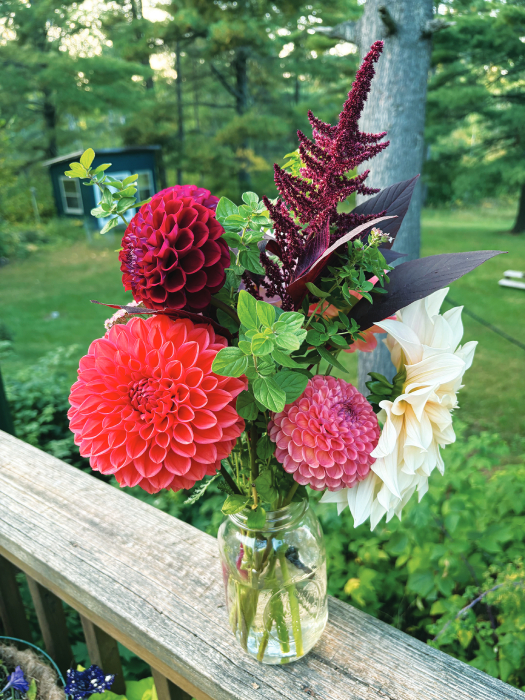
Oregano flowers are dainty and mostly white. A few oregano stems, whether in flower or not, make a great addition to a cut-flower arrangement and typically hold their color longer than the bouquet. Cut oregano stems wilt quickly if they’re out of water for a few minutes, but they usually recover.
Mint
This herb is easy to care for and has rapid growth and a willingness to come back after cutting, making it another great filler. Keep cutting mint, and it’ll continue to push new greenery almost until it frosts. Not only does it smell pleasant, but it’ll also last longer in the vase than anything else. In fact, it often roots if left in the water for more than a week.
Mint loves the sun but will grow quite well in part sun to part shade. Mint can be highly invasive in the garden, so keep it in check. Burying a pot with the rim just above ground level and then planting the mint inside works well to keep most of it under control.
Andy Wilcox is a writer and flower farmer who’s passionate about gardening and horticulture. He believes healthy soil leads to healthy people. Find him on Substack @thatgardenwriterguy or reach out: Andy@ThatGardenWriterGuy.com.
Originally published in the April/May 2026 issue of MOTHER EARTH NEWS and regularly vetted for accuracy.





