Choose the best heritage poultry breeds: chicken, discover a duck, get a gaggle of geese, or take home some turkeys.
Poultry are among the most diverse and useful animals you can bring into your life. They provide meat and eggs and are great multitaskers. They can provide services, such as pest and weed control, fertilizing, and rototilling, and some can even act as great security guards. The best thing about poultry is that they come in a wide array of shapes and colors and can meet different needs. If you’re just getting started, let this guide help you decide on a breed and species perfectly suited for you.
Consider This First
The question you need to answer before getting a poultry breed is: “Why do I want them?” Is it for meat, eggs, or pets? If meat is the answer, you need to be prepared to butcher them yourself, since in many parts of the country, there are few, if any, poultry-processing facilities open to the public. If eggs are the answer, then be aware that the first laying season of a bird’s life is the top year for eggs; the rate of laying then gradually diminishes every year. At some point, you’ll get so few eggs that you’ll effectively have a coop of pets. If well cared for, chickens can live 7 to 10 years or more, and geese can live to be 20! Culling unproductive birds may have to be an option if you want eggs.
Choose a Chicken
Infrastructure and space are important considerations when choosing a chicken breed. Thankfully, they come in all sizes, making it easy to find the right fit. If you have only a small space, consider the bantam chicken. These are miniature birds that tend to have excellent personalities and easily fit in small enclosures.
One of my favorite bantams is the Nankin. This breed is a true bantam and has no large-fowl counterpart. They’re exceptionally sweet birds and perfect for someone new to chickens. They’re believed to have originated in Southeast Asia, and they’re named for the historic Chinese seaport of Nanking. The Nankin arrived in England prior to the 1500s and was widespread until the mid-1800s, when “hen fever” led many people to favor newly created and exotic breeds of chicken.
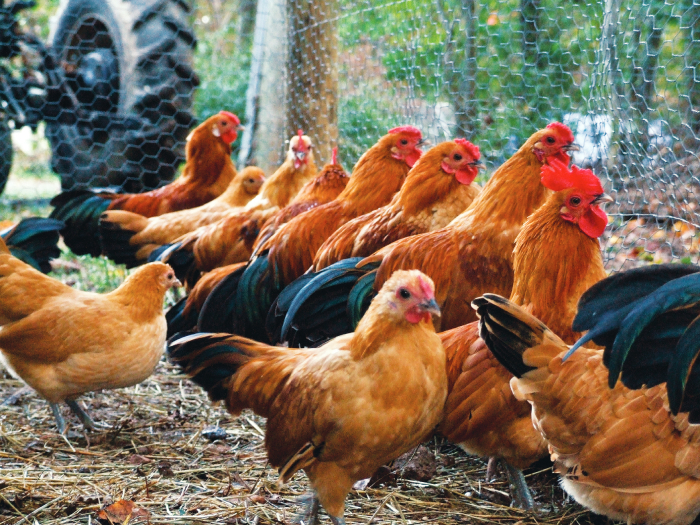
One of the Nankin’s most remarkable traits – and the reason it escaped extinction – is its exceptional ability to go broody and raise chicks. Nankin hens are among the best brooders and can manage many eggs, despite their diminutive size. They were largely used by gamekeepers to hatch quail, pheasant, and partridge eggs, until they were later rediscovered by a new generation of enthusiasts.
Nankin roosters are a golden chestnut color, and the hens are lighter in shade. They can have single combs or rose combs. Nankin hens are respectable layers of 80 to 100 eggs a year at their peak. Their eggs are about half the size of a typical egg from the supermarket but are certainly edible. If you want to hatch their eggs, you’ll have greater success hatching them under a hen versus in an incubator.
Nankins have very sweet dispositions and are good with children. However, their small size makes them vulnerable to all kinds of predators from above and below, including snakes, so plan their coop and run accordingly.
If you have a larger space, a large fowl chicken might be in your future. Many of the dual-purpose (meat and eggs) breeds are a great choice for beginners. The Buckeye is a wonderful breed that came back from the brink of extinction 20 years ago and is now a much-loved breed throughout the country, thanks to a recovery project by The Livestock Conservancy and collaborating breeders.
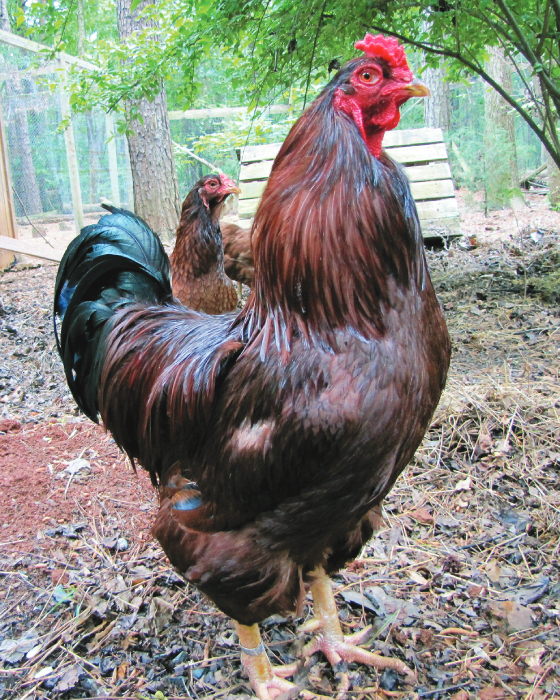
The Buckeye is an American breed and one of the few chickens solely developed by a woman. Nettie Metcalf wanted to create a chicken that was an active forager, could manage cold winters, and had the color of the famous Buckeye nut of her native Ohio. She created an excellent homestead fowl that’s hardy and has an easygoing temperament. Buckeyes are excellent foragers and appreciate lots of space. They’ll eat just about any pest, including mice, small snakes, and lizards. Roosters can reach up to 9 pounds and hens 6-1/2 pounds. Their meat is dark and flavorful. The hens lay a respectable 120 to 150 eggs at their peak, and some may go broody and hatch their own chicks.
Discover a Duck
Currently, chickens far outcompete ducks on the American table, but ducks are becoming more popular on farms and homesteads. This is especially true for the laying strains that produce enormous numbers of eggs and rival chickens in productivity. Many people who have chicken-egg allergies can consume duck eggs, which has helped drive interest in keeping them.
Infrastructure for ducks is similar to that needed for chickens, but ducks – other than Muscovies – don’t require roosts or nest boxes in their coops. They can be very messy because of their watery feces and the way they like to dabble their food in water and need it for cleaning and conditioning their feathers. This makes it challenging to keep things dry and clean. The best approach is to have their drinking water above a well-drained area that the birds can’t climb into and is easy to keep clean.
A pond isn’t required to keep ducks, but they do need water to bathe and splash in. Most often, people use a short water trough or kiddie pool. Like their drinking water, make sure it’s placed in a well-drained area that’s easy to clean.
If you have just a small amount of space, a bantam duck might fit the bill for you. The Australian Spotted duck is a colorful, diminutive bird with a sweet temperament. The name is misleading, because it’s an American breed created in the 1920s in Pennsylvania. The word “Australian” was used because an Australian wild duck species was included in the foundation of birds used to create the breed.

Australian Spotted ducks are known for being quieter and more reserved in comparison with the much more common – and decidedly boisterous – Call duck. They grow to only about 2 pounds and, because of that light weight, they retain the ability to fly. Once they know where home is, they don’t typically wander far, but they’re prime pickings for predators. Some owners clip one side of the primary flight feathers to keep them on the ground and in their pen, if it isn’t covered. These ducks can lay anywhere from 50 to 125 eggs per year at peak lay, and, like chickens, they’re most productive the first two years.
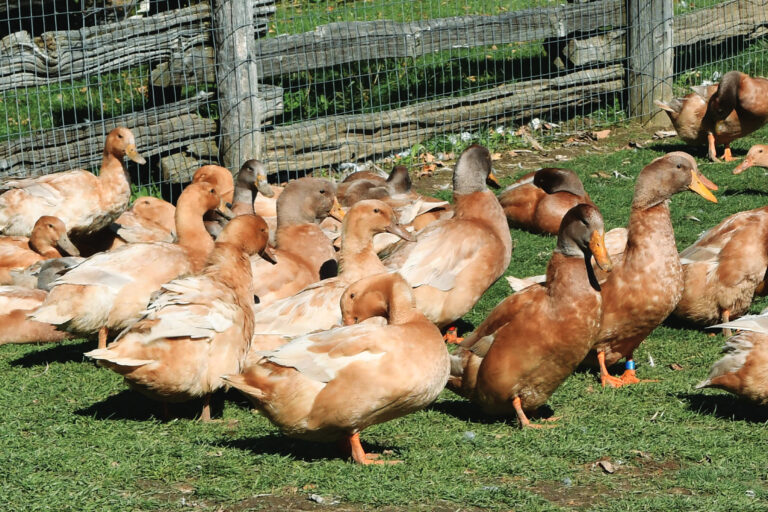
There are dual-purpose duck breeds that are productive easy keepers for beginners. The Buff duck, also known as the Orpington, was created in early 20th-century England by William Cook. They’re curious and easygoing birds. Cook developed birds averaging 7 to 8 pounds that grow rapidly and can be ready for butchering by 8 weeks. Their light-colored plumage makes it easy to produce a clean carcass with no dark pinfeathers. Buff hens are respectable layers, producing 150 to 220 extra-large eggs at peak lay. They can go broody and will be devoted mothers to their offspring.
Get a Gaggle of Geese
Geese are often overlooked as an option for poultry because they aren’t widely popular as a food source in the U.S. They’re much more common in Europe, where longstanding culinary traditions make them the touted “princes of poultry” for their decadent flavor, fit for a king’s table.
Geese are waterfowl and, like ducks, can be quite messy if they don’t have a lot of space and well-drained soil. They’ll greatly enjoy a pool to swim in, but it’s not required. They’re grass eaters by nature and will appreciate pasture to graze or lots of greens when pasture isn’t an option.
Geese can be noisy and will be the first to let you know if there’s a predator or guest arriving on your property. Some people use them as guard animals. They can be curious and friendly, but during breeding season, some breeds can be very protective of their mates and offspring.
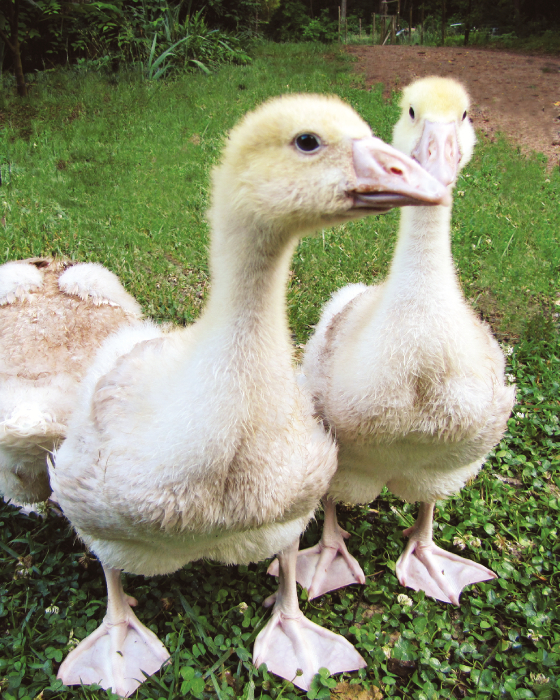
Many people have goose “horror stories” that recount being chased or injured by a goose. Domestic geese are typically less aggressive than Canada geese, but some breeds will spit, hiss, chase, bite, and fight with their wings. Always be mindful of these natural behaviors and respect that the geese are just doing their job. Maintain a regular routine of feeding and cleaning so they know what to expect from you daily. Keep your visits with breeding animals short while they incubate, hatch, and raise their goslings, and keep an eye on children and pets.
One of the calmest and friendliest goose breeds is the American Buff. They’re considered a medium-sized goose, with ganders weighing 18 pounds and geese up to 16 pounds. As the name suggests, these geese are buff in color, and, like Buff ducks, they produce a nice, clean carcass that doesn’t have dark pinfeathers.
Adult Buff geese can’t fly, but fully feathered youngsters may be able to get over short fences until they gain substantial weight. When fully mature, a Buff goose can lay 10 to 25 enormous eggs per year.
Take Home Some Turkeys
Turkeys are among the largest poultry species. They were first domesticated over 2,000 years ago by Native Americans in Mesoamerica. They were revered for their feathers, which were used for both ceremony and clothing. Meat wasn’t their primary purpose in Native cultures.
Turkeys require a lot of space to stay happy and healthy. Younger birds can have limited flight, so they need to have their wings clipped or be kept in an area with an enclosed roof. They’re among the best fowl for integrated pest control, eating insects and other pests, including parasites that infect sheep and goats. As I like to say, the only bug a turkey won’t eat is the one it can’t catch.
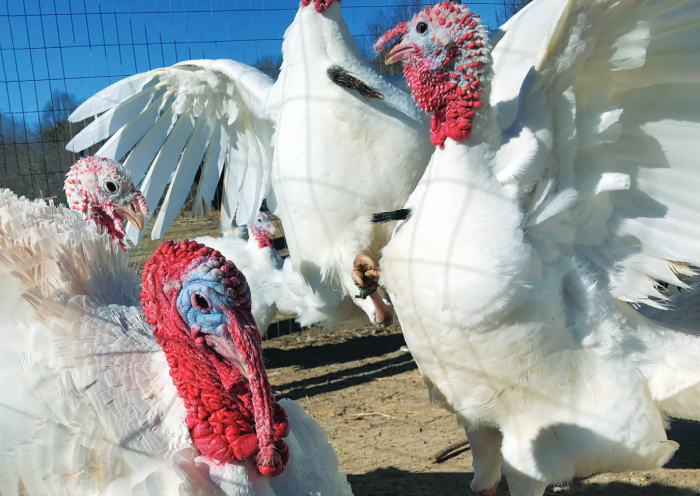
The Beltsville Small White turkey at one time was among the rarest of turkey varieties, but serendipity happened upon them, as the American holiday bird market has begun to favor smaller turkeys for the table. Hens weigh around 10 pounds, and toms can get up to 17 pounds. Because of the increase in interest, several commercial hatcheries now offer poults.
Beltsvilles are easy keepers and are mild-mannered. They’re a great gateway into keeping turkeys on your farm or homestead.
- Research local ordinances to ensure the species (and males) are allowed.
- Set up poultry housing before bringing home the birds.
- Think carefully about how you’ll keep them safe.
- Get birds from reputable sources that test for diseases, such as avian flu.
Jeannette Beranger is the senior program manager for The Livestock Conservancy. She’s a lecturer, writer, and photographer. At home in North Carolina, she practices what she preaches and maintains a heritage-breed farm with a focus on critically endangered poultry.
Originally published in the February/March 2026 issue of MOTHER EARTH NEWS and regularly vetted for accuracy.