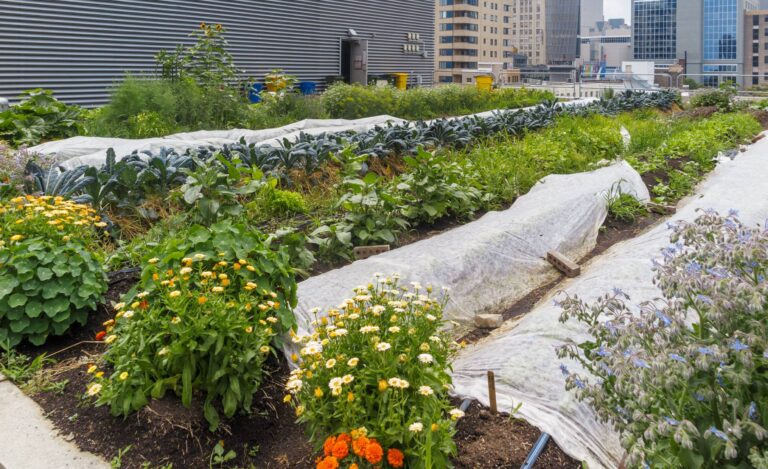
The following is an excerpt from Your Farm in the City by Lisa Taylor and the Gardeners of Seattle Tilth (Black Dog & Leventhal, 2011). One of the biggest issues city famers have to confront: all the urbanite garden pests. Not all troublemakers have six legs, compound eyes, and an abdomen. Many urban gardeners must battle larger, four-legged pests. Learn the best deer deterrents, how to get rid of moles, and what to do about pesky rabbits, and squirrels invading your city garden. No matter what the size, understanding your enemies’ habits and habitats will help you know how best to keep them out of your garden. This excerpt comes from Chapter 9, “Loving Your Enemies.”
Deer
- Deer love garden vegetables, flowers, and roses. Fencing that is 10 feet tall or shorter (6-foot) electric fences are effective ways to keep deer out of the garden.
- If you use electric fencing, lure the deer with peanut butter on strips of fabric so that they will get zapped — otherwise they will just leap over fences shorter than 10 feet — electrified or not.
- Cover young tree trunks to protect bark — wrap them with plastic protectors or burlap.
- Plant things that deer don’t eat.
- Coyote urine, which can be bought in pellet form at garden centers, is an effective deterrent, but washes away in the rain — great for dry climates.
- Motion-activated sprinklers are extremely effective deterrents.
- Natural enemies include cougar, wolf, and coyote. Watchdogs (or recorded barking) may help keep them away.
Raccoons
- These critters eat fish from ponds, raid chicken coops, and eat the corn when it is ripe. They will greedily eat all your grapes or other delicious fruit the night before you plan to harvest.
- Cover fruit with tulle netting. Use hot pepper spray on corn. Predator urine and recorded dog barking may be effective. Motion-activated lights have little effect.
- Raccoons are difficult to deter.
- Keep cat food and dog food inside. Lock any pet doors at night — raccoons will come in to eat dog food! Use squirrel baffles to protect bird feeders.
- Raccoon-proof your chicken coop and close it up each night. Provide nighttime protection for other livestock.
- Raccoons are strong and can pull or pry things open to get to food. Urban raccoons are not scared of humans and are often fed because they are “cute.” Don’t feed raccoons!
- They typically have one litter of four to five babies each spring.
Rabbits
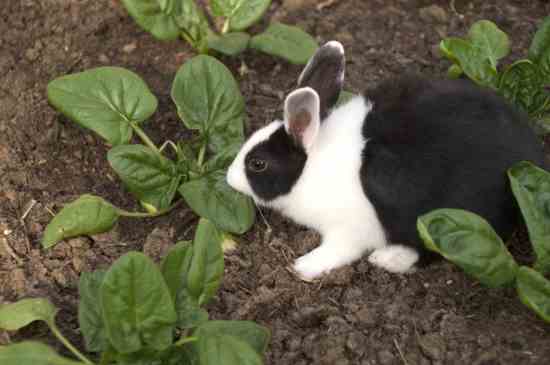
- Feral rabbits are a problem for many city farmers. They eat everything in the garden. Nearly 80 percent of their diet is grass, but you would never know it after they have thoroughly consumed your lettuce and broccoli.
- Rabbits have three to four litters of six babies each year.
- They feed in the early morning, but can be seen feeding throughout the day (when populations are large).
- Grow greens in a covered hoop house.
- Silver mylar tape or old CDs hung on strings around beds are an effective deterrent, since rabbits frighten easily. Fences should be at least 3 feet tall with wire buried underground to prevent rabbits from digging through to the garden.
- Catch rabbits in humane traps using carrots, lettuce, or broccoli as bait. Take them to a shelter to be neutered — there are rescue agencies in many big cities that will provide sanctuary for feral rabbits.
- Their natural enemies include hawks, falcons and other large raptors, feral cats, coyotes, and dogs.
Squirrels
- Mischievous thugs of the city farm, squirrels dig up and eat fall bulbs, sunflowers, squash, and pea and bean seeds. They vandalize tree fruit and berries. Nuts are buried all around the garden, but forgotten and then sprout in the spring. Peanuts, misplaced by the local squirrel, sometimes sprout mysteriously in my garden.
- They have one to two litters of three to five babies each year.
- They are crafty, persistent, and hard to stop. Use squirrel baffles on bird feeders. Cover fruit or nuts with tulle netting.
- Try hot-oil spray on sunflowers or a quick spray from the hose, when you are outside, to chase them away.
- Cover new seedbeds or flower bulbs with chicken wire or a floating row cover.
- Squirrels have no natural enemies — they’re too quick for most cats or dogs.
Rats and Other Rodents
- Urban rodents find food, water, and shelter on city farms. They like to eat seedlings, seeds, and fruit. They love to make a dry, fluffy compost bin their home.
- These rodents produce three to four litters of four to seven pups each year.
- Some burrow and live in rock gardens, woodpiles, or basements, while others live in trees and attic crawl spaces.
- They are omnivores and will eat just about anything — they like to eat the leftovers in the chicken coop and even chicken poop!
- They can fit through a hole a half-inch square or larger. Cover potential entry holes with quarter-inch hardware cloth or stuff them with steel wool.
- Keep food harvested. Keep compost wet and turned frequently to disrupt rat habitat. Feed chickens only the amount they can eat.
- Cats, terriers, and urban raptors are their natural enemies.
Crows and Starlings
- They eat plenty of bugs in the garden.
- They love to eat seeds and tender seedlings.
- Protect your seeds or young seedlings with a hoop house or floating row cover. Mylar flash tape, strung around a bed, may startle them and keep them away.
- Scarecrows (meant to fool the birds into thinking there is a person out in the garden) have been used for centuries to deter these birds. I’m not sure they fool the urban crow, however.
Bears
- These are not a problem for most city farmers, but we have had sightings within the Seattle city limits. Many outlying communities are experiencing sightings each spring as bears come out of the hills looking for food in garbage cans.
- Bears dig up the compost bin or destroy the worm bin to get at food. They will eat blueberries, blackberries, and root crops in your garden.
- Be careful; don’t go out when you see a bear.
- Keep compost bins and garbage cans inside. Recycle yard waste through curbside pickup if bears dig up your compost bin. Don’t compost food waste.
- A motion-activated dog-bark recording or an electric fence may serve as an effective deterrent.
Keeping Cats at Bay
- Cats love nothing better than a freshly seeded garden bed to use as a litter box. Keep them out of your new beds by laying chicken wire over the soil or crisscrossing small sticks across the area.
- Frustrated city farmers stick bamboo skewers like a pointy jungle trap to keep squirrels and cats from digging in freshly dug beds.
- Moist soil is less appealing, so keep the surface of the soil moist or drape a layer of floating row cover over the bed until your seeds have grown some.
Moles and Gophers
- Moles are a much maligned and misunderstood part of urban ecology. It’s hard not to be upset when they push up a mound of soil in your perfect lawn. These hills are unsightly, but moles aren’t a threat to your vegetable garden.
- Moles are insectivores, consuming a diet of insect grubs and worms, and are a sign that you have active, healthy soil.
- It’s gophers you don’t want in your garden. Gophers eat plants, especially root crops.
- You can tell by the shape of the mound if you are dealing with a mole or a gopher. Mole mounds look like volcanoes with the top of the hill centered. Gopher mounds are fan shaped with the top offcenter.
- Trapping either critter is difficult — remember Bill Murray from Caddyshack?
- Dogs and cats that are good hunters can keep these populations in check.
- Gophers love vegetable crops — bury half-inch hardware cloth 18 inches deep and 8 inches high to keep gophers out of the garden.
- Predator urine, which can be bought in pellet form at garden centers, might help keep gophers out of the garden as well.
- Crushing mole hills and tunnels as soon as you see them can push their activity to the periphery of your yard, where it is more acceptable.
Reprinted with permission from Your Farm in the City, published by Black Dog & Leventhal, 2011.