

This age-old planting-season extender deserves a place in your garden. (See the garden hotbed photos in the image gallery.)
If you’ve ever planted seeds in your spring garden before the soil warms up, then you probably know the outcome: rotten seeds and no plants. Hands down the best way to get your garden to mature earlier and more abundantly is by using a hotbed. With a hotbed planting-season extender, you can nurse seeds and grow young plants months before the chill leaves your garden soil.
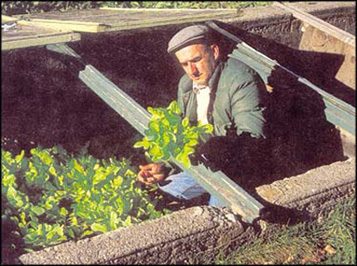
A hotbed is a miniature greenhouse that is heated by the fermentation of manure. Seeds (tomatoes, cucumbers, etc.) can be planted directly in good soil layered atop the manure. Or else do as I do and start seeds in trays or boxes in the hotbed. This way you can shift your seedlings around to take better advantage of the sunlight. Either way, growing seedlings in the hotbed can be a real money saver, allowing you to skip the expense of “starter” plants from a nursery. It also gives you flexibility; you can wait until the conditions are just right in your garden before transplanting. And once the hotbed is emptied of the seedling plants, you can use the vacated space for growing lettuce or other vegetables.
You’ll want to start preparing your hotbed in early March. First, clean out the bottom of the structure, removing enough soil to accommodate the approximately eight inches of fresh manure you will be adding later. (You can transfer whatever soil is removed to the garden.)
I’ve found that horse manure is the ideal foundation and the key to success in your miniature greenhouse. Unlike cow, pig, goat and sheep manure, horse manure heats up when wetted down (due in large part to its high straw content), nicely warming the hotbed.
But before you shovel the manure into the hotbed, it needs some preparation. Heap a mound of it in a convenient corner of the yard. Once a week move the pile of manure with a fork from the outside to the center; then sprinkle with water. Once you see steam spiraling up from the mound, you know that it is heating properly and is ready to be transported to the hotbed.
Using a fork, toss the manure into the bottom of the structure, then spread it around and tramp it down. Once it’s spread and packed to a depth of about eight inches, give it a good watering, but not a soaking. This will expedite heat generation and, in tandem with good sunlight, encourage seeds and plants to germinate and grow well ahead of the normal planting season.
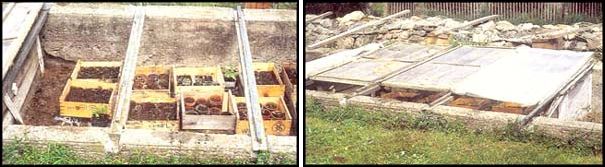
Next, set the sashes — the glass or plastic covers — over the top of the hotbed frame. (My frame takes three 6 foot by 3 foot sashes.) With the covers on, you’ll want to have about 20 inches of overhead space in the rear and 12 inches of overhead space in the front of the bed. If you don’t, your plants — especially tomato plants — will bend under the overhead sash.
Finally, place a thermometer inside the hotbed to keep track of the ambient heat. Check it daily. In the beginning, the temperature will rise rapidly during the mornings, and it’s not unusual to see readings over 110 degrees Fahrenheit. Be patient; in time, the temperature will drop to a normal reading of 85 degrees Fahrenheit to 90 degrees Fahrenheit. At this point, you can put in your trays of plants and seeds.
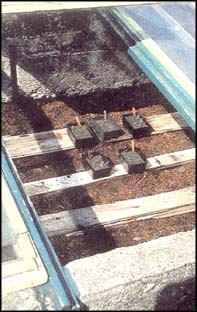
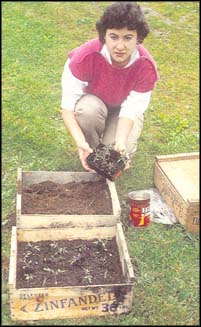
Normally, I plant seeds in plastic trays. With tomato seeds, for instance, I plant six to a tray containing potting soil. Once they are planted, I tamp, water and enclose each tray in a plastic bag. The trays are then placed on boards inside the bed, where the seeds will germinate in a week.
Once the plants reach one-half-inch tall, I remove the trays from the plastic bags and place them back on the boards inside the hotbed. If the soil is dry, I water each tray; at night I cover the sashes with a tarpaulin to maintain the heat. When the plants are well along, I transfer them into larger boxes inside the hotbed until the soil in the garden warms — which usually happens around late May here in the north, but as early as February below the Mason-Dixon line.
While your seedlings and plants are inside the hotbed, make sure the bedding of manure stays moist at all times. If you see it starting to dry, use the hose, but again, don’t overdo it; too much water will cause uneven heating. Besides, if you’re planting directly in soil layered atop the manure, excessive watering can kill your seeds or seedlings. I always water my manure in the morning, my plants in trays or boxes whenever they need it.
Keep in mind, too, that the plants inside the hotbed need fresh air daily. Open the bed to the breeze at the warmest part of the day, say between 11:00 A.M. and 2:00 P.M . Just lift the cover of the hotbed and place a stick or rock under it to keep it open about an inch. The fresh air reduces humidity and controls temperature extremes. As the plants grow and the days become milder, increase the space between the sashes and bed to give the plants more time in the fresh air. By the time the end of May rolls around, you can leave the sashes open most of the day and even part of the night. Around the first week of June (earlier in the South), remove the sashes completely to harden the plants for a successful transplant to the garden.
I inevitably end up with more garden plantings than I can use. Instead of tossing them out, I plant the excess in the empty hotbed. These plants provide us with fresh vegetables well into the fall, weeks after our garden plants have stopped producing.
To my mind, no spring garden is complete without a hotbed. Not only does it extend the growing season, but it also protects your plants from frost, insects, pests and weeds. Best of all, your vegetable crops will mature earlier and produce more abundantly than ever before.






