

It’s late autumn in the garden … sere leaves drift from
sleeping trees, soldiers of stubble mark harvested rows of
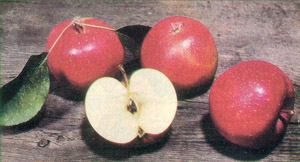
corn, Winesaps ripen and fall, and — while warm
afternoons occasionally stir memories of summer’s heat
— the morning’s white rime heralds winter’s chill
kingdom. Draw close to your loved ones, and offer thanks
together for the bounty you’ve stored.
Fruit Explorers
One of the biggest bargains in horticulture — and one
that makes a dandy Christmas gift as well — is a
five-dollar membership in the North American Fruit
Explorers. NAFEX is dedicated to the exchange of
information — through its quarterly journal,
Pomona — on growing both rare and common
fruits, from blueberries to papayas, peaches, and
persimmons. The society also has panels of folks who are
experts on many varieties of fruit, cultural topics, and
techniques. NAFEX members can draw upon this wisdom and
experience for just the price of a stamped, self-addressed
envelope.
USDA Discovers Organic Agriculture
It’s almost enough to make a believer out of a cynic! First
we saw the government supporting Integrated Pest
Management. Now — even more
surprising — the Department of Agriculture has
released a report on organic agriculture … and the agency’s
conclusions highly favor wholistic techniques!
“Organic farming,” as defined by the USDA, “is a production
system which avoids or largely excludes the use of
synthetically compounded fertilizers, pesticides, growth
regulators, and livestock feed additives. To the maximum
extent feasible, organic farming systems rely on crop
rotations, crop residues, animal manures, legumes, green
manures, off-farm organic wastes, mechanical cultivation,
mineral-bearing rocks, and aspects of biological pest
control to maintain soil productivity and tilth, to supply
plant nutrients, and to control insects, weeds, and other
pests.”
Using this definition in their selection process, the
authors of the report visited 69 organic farms in 23
states, studied similar operations in Europe and Japan,
interviewed organic farmers and “movement” spokespeople,
and so forth.
The investigators reported that the organic farms, while
somewhat more labor-intensive than conventional operations,
used less energy … and — although
conventional farms provided a greater economic return over
variable costs than organic ones did — when the
expense of the detrimental aspects of
chemical-intensive farming were included in the equation,
the economic advantage of conventional agriculture was
reduced significantly .
Of course, the USDA has a long way to go before it meets
the needs of America’s organic gardeners and farmers, but
the first steps are being taken. Unless the USDA
reverts to the bad old days of Earl Butz, MOTHER EARTH NEWS-readers
can have some hope that at least some of their tax
money will be used to further — not hinder —
organic agriculture.
Orchard Sanitation
Now that the apple crop is in, there’s one more
task to be done in the orchard. It may even be the
fruit grower’s most important duty: orchard sanitation. If you want
to keep those winged and many-legged critters from chawin’
on next year’s fruit, now is the time to take
preventive measures. And orchard cleanliness is
particularly important for gardeners who wish to
fight the “battle of the bug” without recourse to poisonous
sprays.
The main weapon to use in your orchard’s defense is the
rake. Gather up all the windfall fruits and put them where
they’ll do some good: in the compost pile. Remove any
fruit that remains on the tree after leaf fall, too. Rake
up all of the fallen leaves, and — unless they’ve
been mildewed, in which case they should be burned —
add them to the to-be-composted material.
Collect and burn all prunings (bugs love to winter-over on
them) and surround the trunk of each tree with a two- to
three-foot-high mouse and rabbit barrier made of half-inch
mesh hardware cloth. Space the screening about three inches
from the trunk. And — after the area under every
fruit tree has been thoroughly cleaned up —
lay down a fresh hay mulch … about six inches deep. Start
mulching a foot from the trunk, and extend outward to the
tree’s drip line (under the tips of the widest branches).
Now is also the time to go through the nursery
catalogs to make your selections for spring planting.
Commercial orchards sell out their popular kinds quickly, and the prized antique varieties are always in short supply.
(Besides being sure of your first choices it you order your
spring trees this fall, you stand a good chance of avoiding
next year’s price increases.)
Garden Gleanings
Northwestern gardeners (and coastal New Englanders, too)
will find a treasure house of good information in Binda
Colebrook’s fine paperback, Winter Gardening in the
Maritime Northwest . If you’re interested in having a
four-season garden, you’ll find minimum temperature
information, recommended varieties, and an excellent
section on winter gardening techniques. (By the way, membership in Tilth —
an association devoted to organic agriculture in the
Pacific Northwest — is a good buy at $8.00 a year.
The gardening information in the newsletter is
regional, but there’s much of general interest, too.)
Finally — before the frost nips them — pot up
some of those chive and parsley plants for the kitchen
windowsill! There’s nothing like fresh herbs on a cold
winter’s day.






