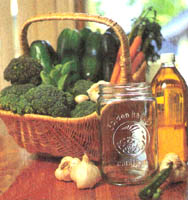
As summer begins to wind down toward fall, the spring-planted garden changes character. Once bright green and limber, the foliage darkens and dries, fairly leaps with insects and makes a rasping, rattly sound as you wander through. In the late-summer vegetable garden, your plants are entering the seed making phase and require a little special attention to prolong their productivity.
Soil and Weeds in the Late-Summer Garden
First, if the soil is dry an inch down, water it well. Late corn tomatoes, lima beans and cabbage are still ripening even if their plants’ leaves are turning brown on the edges. Fall viruses and fungi are eager to spread, so don’t spray foliage. Instead, water the roots (we run a soaker hose down the rows).
And, even if you’re getting a little bored with the garden after most of the harvest is in, hoe down fall weeds before they go to seed–especially those between the rows–lest they sap the food and water needed by late crops. Let the weed growth lie where it falls; it’ll act as a moisture-retaining mulch, not to mention a hideaway for bug-consuming garden toads.
Tomato Options
You may notice a few tomato plants, already loaded with ripening fruit, beginning to put out fresh end growth and suckers; some will flower and set clusters of new fruit berries. Snap off all the lush, new looking growth as it sprouts so the plants will put energy into the maturing fruit already on the vines. Then poke the stem ends of several of the most vigorous sprouts into a rooting medium and set them in moist sand to take root (small-fruited varieties do best). Periodically inspect undersides of leaves and remove any little white cocoons to prevent an infestation of whitefly. Once rooted, transplant the sprouts into large pots filled with a rich growing medium. Placed under lights or in a sunny window, the plants will vine out long with small leaves in winter’s reduced light. If you pollinate flowers, one to the next, with a little brush, you may have fresh tomatoes to start the New Year.
Or at the very least, if you remove new growing tips early in the new year, propagate them just as you did the parent sprout, then set out the months-old plants next May or June, you’ll have the earliest tomatoes in the county next season–guaranteed.
End-of-Season Broccoli
Moving down the rows, be sure to cut off the main head of every broccoli plant, even the dwarfs. Nip off the secondary sprouts before they’ve a chance to turn into little sprays of yellow flowers. Keep the roots watered and you’ll have fresh, if strong flavored, winter broccoli until Thanksgiving.
For Brussels sprouts, twist out the leafy, still-growing tops and enjoy fresh sprouts, picked in the snow, till Christmas. Or wait until the first frost, then pull plants, roots and all, and hang them in the barn. They should last into the new millennium.
Keeping Beans Strong
Some pole beans will keep producing new end growth and flowers until the first frost. Pinch off this new growth in late August to ensure that plants’ energies go to developing beans that are already set. Also, be sure to pick pods before they begin to swell with developing beans. Once a vine has made a few seeds, it retires.
If a freeze hits before all the crop is in, hustle out and pick the frost-tinged pods, steam-blanch them for three minutes, then chill. Next, string them on a stout thread and dry the lot in the fall sun or over a woodstove to make old-time “leather britches.” To later refresh the dried pods, place them in cool water overnight. Discard the freshening water and add the flavorful, nutritious, still-leathery-textured beans to winter stews for a hint of summer past and a promise of summer to come.
Mixed Refrigerator Pickles
Finally, as the harvest dwindles to just a few green beans of varied sizes and odd shapes, one last cauliflower with a stunted head, a handful of broccoli sprout buttons, a spindly out-of-row carrot or two and an odd lot of cucumbers and zucchini in peculiar end-of-season shapes, don’t waste them, even if there’s not enough of any one to make a side dish or salad. Instead, turn these odds and ends into a “mixed refrigerator pickle.”
Cut off the bitter little crooked ends and spiky hides of the cucumbers, as well as the bitter skins and green shoulders of overaged carrots. Shell out beans from any oversized green bean pods and slice the rest. Steam-blanch your vegetables for two minutes, chill in cold water, drain and cover with your favorite pickling brine. I like to use a half-and-half mix of cider vinegar and water, plus salt and a little sugar. You can also throw in some fresh garlic, dried hot peppers and a pinch or two of mixed pickling spices. Boil the brine and dried spices, then cool. Add husked garlic and chopped produce (along with slices of fresh sweet onion if you like) and keep chilled. The veggies will take on the pickle-brine taste overnight and will keep for several days in the refrigerator.