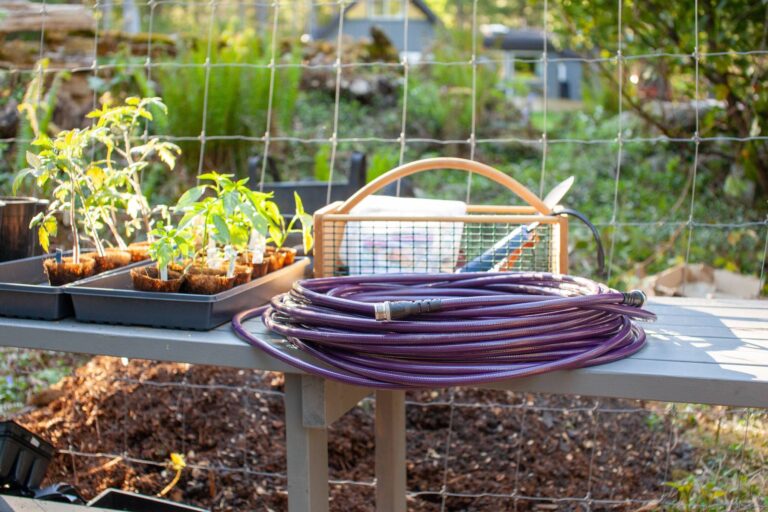
Beginning organic gardening and feeling daunted by weeds? Use these methods of organic weed control for gardens so that your vegetable garden can thrive.
Most of the things we do in a garden also encourage weeds. Bare soil in any form is an invitation for weeds to grow because weeds are nature’s opportunists. Most weed plants grow faster than food crops, so weeds will shade or starve out your babies unless you protect them. In addition to basic organic weed-control methods, such as hand-weeding, shallow hoeing, and deep mulching, innovative techniques, such as creating “weed moats,” can help control common garden weeds such as Bermuda grass, puncture vine, and other troublesome plants.
Weed Control for Gardens: The Basics
Weed prevention follows a predictable pattern in the vegetable garden. About 10 days after you plant a crop, the bed or row will need careful hand-weeding, followed by a second weeding session 10 days later. Slow-growing, upright crops, such as carrots and onions, may need a third or fourth weeding to subdue weeds, but they’re the exception. After a month of attentive weeding, most veggies will be large enough to shade out weedy competitors. Plus, you can use mulch to block the growth of weeds between widely spaced plants, such as tomatoes and peppers.

Weeding Tools to Topple Weed Trouble
At North Slope Farm in Lambertville, New Jersey, three scheduled weedings — the first two with a scuffle hoe, and the third by hand — are part of the organic weed-prevention program developed by owner Michael Rassweiler. “We like to use a scuffle hoe to go up and down the rows right after germination and then again one to two weeks later, depending on the crop’s growth.” Rassweiler says that hand-weeding is usually needed after the second hoeing, but it’s quick — hoeing between the rows has already cleaned out most of the weeds.
Scuffle hoes, which include stirrup and circle hoes, have blades with two opposing sharp edges that cut when pushed and pulled, and most gardeners with big plots consider them essential equipment. But when we asked Mother’s Facebook followers which weeding tool they couldn’t do without, the sturdy weeding knife, often called a hori-hori, was the clear winner. Weeding knives feature long, sharp edges that shave down weeds, and have a pointed end for prying out strong taproots, such as those found under dock weeds or dandelions. Many folks also consider hand-weeding, with follow-up mulching, effective and rewarding work.
Most organic gardeners depend heavily on mulch, particularly newspapers or cardboard covered with grass clippings, old leaves, or straw, to control even the most aggressive weeds. Be advised: Deep mulching too early can delay the warming of spring soil and encourage problems with slugs, so mulch after a thorough late spring or early summer weeding.
Surface mulches deprive weed seeds of light and increase their natural predation by providing habitat for crickets, ground beetles, and other seed-eaters. The cool, moist conditions under mulch will also cause many weed seeds to rot, so mulches that give good surface coverage can both prevent and cure seemingly overwhelming weed issues.
“Cardboard saves me a multitude of work,” says J.C. Siembida of Salem, Ohio. “I save cardboard all year and sort it into widths, and then use narrow pieces between peas, beans, and corn, while larger sheets are used between squash and pumpkin plants. Then, I put a layer of aged leaves on top.” In Seminole, Oklahoma, Robin Lambert at Red Sky Farm fills a high tunnel with vegetables mulched with cardboard topped by straw. Her earthworms love it, and she says the technique allows her to keep up with weeds.

Control Runaway Summer Weeds
Because a single healthy crabgrass plant can produce 150,000 seeds, or about 20,000 seeds per square foot, you may not be able to keep up. Redroot pigweed can shed a million seeds in a lucky season. This is why it’s crucial to clip, mow, weed-whack, or otherwise disable weeds before they mature enough to shed seeds. You usually can’t dig or pull almost-mature weeds growing among food plants without devastating your planting, so lopping off the weeds just above the soil line is a better intervention.
Let’s say the worst has happened, and robust weeds took over your garden and covered the ground with millions of seeds. In this case, the last thing you’ll want to do is cultivate, which would distribute the seeds deep into the soil, where they could remain dormant for years, waiting for sun and warmth to trigger germination. Instead, keep the weed seeds on the undisturbed surface, where you can do something about them. Begin by covering the space with mulch or small piles of dead plants to provide habitat for ground beetles, crickets, and other seed-eaters, and leave it covered all winter.
In early spring, remove the mulch, allow the bed to dry, and then use a stiff broom to sweep debris to the end of the bed, where you can gather it and dump it in a spot too shady for garden weeds to grow. Next, cover the bed with a row-cover tunnel to warm the soil and help coax weed seeds to life a few weeks ahead of schedule. When the weeds are 2 inches tall, use a sharp hoe to slice them down, but try not to cut more than 1 inch deep into the soil. Wait another two weeks for a second flush of weeds to grow, then hoe them down again. The weed seed load in the soil should now be back to normal. By keeping the weed seeds isolated at the surface, encouraging predation, and then inviting remaining seeds to germinate and grow, you can undo much of the damage done when a weed seed rain turns into a monsoon.
Get more summer gardening advice from Barbara, including weed control for gardens, in Summer Gardening Tips.

Weed Moats to Prevent Aggressive Spreaders
Cold-hardy perennials are some of the most difficult weeds to control, in part, because they propagate by producing seed and horizontal stems called stolons or runners. Every North American climate seems to host weeds with these unique talents: quackgrass and bindweed in cold winter climates; Bermuda grass where winters are mild; and sand burs, such as puncture vine, in the West.
When you must garden under pressure from insistent, spreading weeds, your best bet may be to surround your garden with an open strip that you turn every three weeks. Or, dig a trench around your garden and fill it with finely cut wood chips or sawdust to form a soft “moat” that’s easy to slice through with a sharp spade, manual lawn edger, or nimble weeding tool, such as the long-handled Cobrahead weeder, which has a nose for weeds trying to jump a mulched moat. In warm summer weather, you’ll need to chop or slice through your mulch-filled weed moat every two weeks to keep it working properly.
In similar fashion, you can let a chicken moat or a wide chicken run separate spreading weeds from your garden. Chicken activity will leave the surface bare except for weeds chickens avoid, which you’ll need to go after by hand. In general, chickens shun prickly plants, such as nettles, and they know better than to eat pokeweed, burdock, and pigweed, which can be poisonous if chickens eat enough of them. If your birds avoid dining on or digging in certain weeds, they likely have a good reason.
Planting Cover Crops for Weed Control for Gardens
Planting cover crops can be another savvy strategy for organic weed control. The goal is to replace unmanageable weeds with manageable soil-building plants. Some cover crops can be handled without large equipment, so they’re easy to put to work in a backyard garden, choking out weeds and building soil fertility. In my garden, I use vigorous mustard greens to smother weeds in unoccupied beds in spring, and then switch to buckwheat or crowder peas in summer. Late summer is a great time to sow oats, which die in cold weather from Zone 7 northward. The dead oat foliage serves as a winter mulch that’s easy to rake up and compost in spring.
Daikon radishes are another great self-composting cover crop with excellent weed-suppressing and soil-improving properties. Daikon radishes planted in late summer can grow to more than 2 feet long by the time cold weather kills the plants. The roots promptly rot, creating deep, open channels for air, earthworms, and water. Research shows that plots cover-cropped with daikon radishes dry out and warm up quickly in spring, and stay weed-free until April.
By employing a mix of the organic weed control techniques that work best for you and your garden, whether you’re a pro or just beginning organic gardening, you can avoid harmful herbicides. Plus, shifting focus to weed prevention means you’ll ultimately spend less time on labor-intensive weeding — and more time enjoying the fruits of your labor.
Brush up on your tools! Our in-depth How to Select Garden Hoes for Gardening Tasks — from stirrups and circle hoes to swan-necks and the Warren hoe — will elevate your wedding efforts by helping you discover the right tool for each gardening task.
Contributing Editor Barbara Pleasant has been growing food and sharing her gardening knowledge with others for 30 years through articles, books, workshops and lectures. Find more of her weeding wisdom at the MOTHER EARTH NEWS Store.