A 2006 Pew Initiative on Food and Biotechnology study found 58 percent of Americans were unfamiliar with the issue of genetically modified food, though were that study done again today, the number would be far greater. The reason? Last year’s campaign by No GMO activists for a California ballot initiative to require GMO labeling on food products. The effort failed, but the damage to the reputation of bio-engineered foods was considerable.
Social media spread the news far and wide of the concerns over GMOs.
A livestream and downloadable debate over the GMO labeling policy issue which took place in Atlanta last week may prove to raise consumer awareness higher still. How we approach genetically modified ingredients in our food supply from a policy standpoint is an important question.
According to FarmWars.info blog, the California effort inspired several counties in California to enact an outright ban on GMOs, and now Los Angeles is attempting a ban. Three counties in Oregon attempted to push for a ban on GMOs, only to be thwarted by their Governor’s Protect Monsanto Act. In spite of the governor’s calling an emergency session to derail the No GMO moves, Josephine County is persisting in their desire to remain GMO free.
The Farm-to-Consumer Legal Defense Fund takes no official position on the GMO labeling issue, however, we would like to see a move away from the use of GMOs in food production. Our consumer and producer members are overwhelmingly opposed to genetically modified food. Our artisan producer and farmer members seek to use other methods to increase fertility and reduce plant disease. Techniques popularized by Acres USA and Rodale Press, such as, crop rotation, compost, integrated pest management and organic soil amendments.
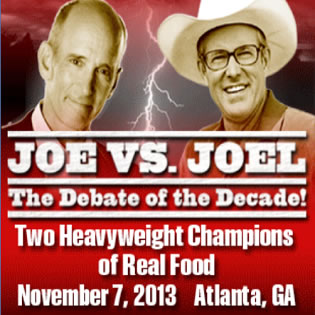
We focus on many other areas of food law, however we feel that the discussion of the politics of GMOs must continue to grow. For this reason, we are sponsoring an important debate this week in Atlanta, between two leading GMO Opponents who have a differing opinion on mandating federal labeling. Alternative health champion, Dr. Joseph Mercola, will stump for federally required labeling of GMO ingredients. Virginia farmer Joel Salatin will speak from a Libertarian view, against federal mandates.
Joel Salatin predicted the problems with the U.S. Organic standards program, and he will again attempt to sound a warning about the expense and burdens of federal laws.
Mercola undoubtedly will detail the health dangers of GMOs and ask for government protection to insure a safe food supply.
It should be a very interesting and informative debate.
Although many libertarian leaning folks will agree with Joel, many others believe the consumer has the right to know. There is no more important food safety issue of the day, and while the debate may not end with decisive victory for either side, the consumer education it will provide is invaluable toward the end goal of lessening our dependence on bio-technically manipulated plant genetics.
The debate will be available as a livestream to benefit our ongoing efforts on behalf of organic and beyond organic farmers who face legal difficulties. By donating $19.95 to FTCLDF, you will be able to either watch the debate live this Thursday 8pm-9:30pm EST or view it later at your convenience through December 3, 2013.
Pete Kennedy is an attorney in Sarasota, Florida and serves as president of the Farm-to-Consumer Legal Defense Fund (FTCLDF), a U.S.-based 501(c)(4) nonprofit whose primary mission is to protect the rights of small family farms, artisan food producers and consumers to engage in direct commerce without government interference. Please visit www.farmtoconsumer.org or call 703-208-3276 to join or donate.
Photo by Michelle Bielovitz Graphic Design