How to cook heritage chicken breeds offers more nutritious and flavorful recipes than store-bought chicken, but require different cooking techniques.
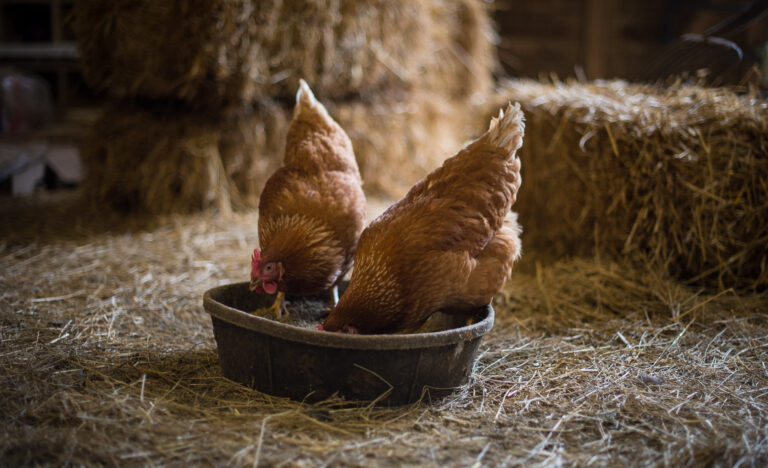
We’ve been raising and eating Dorking chickens for more than seven years. We chose them originally because they’re dual purpose (good for both meat and eggs) and because we want to help save their rare genetics. We were proud last year when the Dorking breed won first place for its taste in the American Livestock Breeds Conservancy’s competition. However, this also made me suspicious that my repetitive three-meals-from-one-bird method of cooking might omit some gourmet’s delights.
Part of the pleasure of raising these chickens is that our flock can maintain itself by producing new babies each spring. Heritage birds grow more slowly than the omnipresent Cornish-cross bird, and we wait until they have “some meat on their bones,” or until they are 20 to 22 weeks old, to eat the cockerels (males). I still remember confidently barbequing that first one and then biting into a drumstick the consistency of hard rubber. That’s when the three-day approach began.
Techniques for How to Cook Heritage Chicken Meat
I found the “toughness problem” solved by cooking these birds for a longer time at a lower temperature. Therefore, I roast the bird, oiled and breast-side down, for two and a half to three hours at 325 degrees in a non-vented roaster. The meat is tender and extremely tasty, and the juice is wonderful.
The second day, I use most of the remainder of the meat and the flavorful broth to make enchiladas, a hot dish or a shepherd’s pie. At the same time, I cover the carcass with water, add some onions and sea salt, and simmer it for two or three hours. Not a scrap of these precious chickens gets wasted; after deboning, I add vegetables, dried beans and egg noodles or dumplings. This is a wonderful chicken soup for our third day’s feast. Three delicious meals from one chicken also help to give slower growing, heritage birds an economic advantage.
I first suspected that there might be other options for cooking these birds when I read that the heritage bird taste test was done with birds that had been brined. There are plenty of brining recipes online, but basically, a bird is soaked in ¾ cups kosher salt per one gallon of water for four to 24 hours before cooking. I’ve tried it and it does make the meat more tender, but it also adds salt and fluids to the meat. That sounds a bit too much like the chicken breasts in stores that have been injected with salt, water and oils to plump them up and keep them moist. I think heritage birds, known for their great flavor, can stand on their own two feet (so to speak!) and shouldn’t need this commercial-like treatment. And, I’m also sure we don’t need additional salt in our food.
That’s when a MOTHER EARTH NEWS reader Laura Keyser e-mailed me to say that she was processing her heritage birds at different ages, which allowed her to cook them in different ways. She explained that younger birds don’t have much fat, but their meat is extremely tender, so cooking them fast at a high heat is best. Aha! There’s hope we’ll have barbeque chicken again! Older birds have more developed, firm muscles and also a good layer of fat. These are the birds I’m familiar with, and indeed they do require a longer and lower heat.
What Laura says makes such good sense to me. My Grandmother wouldn’t have waited all summer before serving chicken, process them all at one time and then required a freezer for storage. Babies were hatched each spring, and there was fried chicken by the Fourth of July. Now the puzzle pieces were fitting together for me.
Considerations for Different Types of Heritage Chicken Breeds
Additionally, the MOTHER EARTH NEWS staff gave me clues that different breeds of heritage birds can be used for different methods of cooking. Although the chickens retrieved from our freezer this winter will be all older Dorkings, I have the following plan for next year–which, I admit, is counting my chickens before they hatch!
Broilers
Sources differ for the exact age and weights, but that’s probably because heritage breeds vary in size. In general, a broiler is less than two-and-a-half pounds and up to 13 weeks of age. Their meat can be cooked other ways, but because it can be cooked hot and fast and still be tender, they’ve earned the name “broiler.” The Silver Laced Wyandotte breed has the reputation of being excellent for broiling.
Fryers
These birds are about 13 to 20 weeks of age and weigh about 2½ pounds. The meat is still tender and is beginning to get some fat, but using high heat and fat for cooking is best. Voila–fried chicken! Take care that you choose the right cooking oil for high heats. Refined safflower, sesame or sunflower oils are best. As to the breed of heritage bird that’s best for frying? Orpingtons and Barred Rocks lead the list.
Roasters
This should be my specialty, but there are many options for how to successfully roast a bird. These birds are about three-and-a-half pounds and are five to 10 months old. At this age, the meat has developed wonderful flavor, but has lost tenderness because the muscles are developed and firm. Rather than brining the meat, it can be cooked in moist heat at 325 degrees for 25 minutes per pound. If roasted dry, they need basting. I can confirm that cooking them breast-side-down works well. A clay cooker or crock pot also does a good job, and rubbing oil all over the bird before cooking helps. The Black Jersey Giants make good roasters.
Stewers
“Stewers” may not be a word, but there’s a category for the older-than-roasters that require stewing. These may be the hens that are too old for egg-laying that we don’t want to feed all winter. It also includes the cockerels that weren’t yet culled. What these older birds require is an even-longer cooking time, and “coq au vin” recipes abound for this category. In the winter, these birds can be found in our well-seasoned cast-iron pot on the wood burner, making the house smell like there’s a real cook present, and promising us a wonderful meal of tender chicken with vegetables from the root cellar.
By varying our cooking techniques and breed of chicken, we can enjoy nutritious and diverse meals all year. Heritage birds from your local farmer or your own backyard will provide you with meat that is more nutritional, tasty and economic than supermarket chicken. It’s a treat to sit together at the dinner table enjoying such fantastic food.
Mary Lou Shaw homesteads with her husband, Tom, south of Columbus, Ohio, where they maintain a large garden and orchard and keep Dorking chickens, Red Wattle hogs, Narragansett turkeys, Dutch Belted cows, bees and several funny Ancona ducks. Pick up Mary Lou’s book, Growing Local Food.