5/21/2013
Sometimes summer can be tough on your skin, especially if you’re fair-skinned or sensitive. Between insect bites, rashes, and summer acne, it can be enough to make you want to cover up and hide out.
Common Summer Skin Problems
• Sun Allergy
There are three different types of sun allergy; polymorphous light eruption, solar urticaria, and light-sensitive eczema. Sun allergy is caused by an excess of histamines or a reaction to antihistamines and some arthritis medications.
• Insect Bites and Stings
There are too many mosquitoes, ants, spiders, and bees out there to avoid them all. Whether you’re camping in the deep woods or just hanging out on your back deck, insect bites and stings are just part of the summer experience.
• Sunburn
If you’re fair-complected, sunburn is always a concern. When using sunscreen, be careful of the brand you use. Research has shown that many commercial sunscreens contain dangerous toxins that may increase your chances of developing skin cancer.
• Rashes
One of the most common summer skin problems is the dreaded rash. Sun allergy, hives, poison ivy, and heat rash can turn smooth, blemish-free skin into an itchy nightmare.
• Summer Acne
It doesn’t seem fair. The warmer the weather gets, the worse you’re acne and that’s when you’re showing off your skin the most. Heat, humidity, and excessive sweat irritates your pores, worsening acne breakouts.
• Razor Bumps
Razor bumps are the worst. Sometimes it doesn’t seem to matter how sharp your razor is or how careful you shave, you still get those unsightly and embarrassing bumps.
• Dry Skin
Your skin loses more moisture in the summer months. It’s also exposed to UV rays and salt water that can crack and roughen even the smoothest skin.
The Best Summer Skin with Natural Remedies
You can have the best summer skin ever with these 5 versatile and inexpensive natural remedies:
• Coconut Oil
Many commercial skin lotions contain toxins, skin irritants, and carcinogens (cancer-causing agents). To keep your summer skin smooth, glowing, and blemish-free, switch to organic coconut oil. Coconut oil contains lauric acid, a potent antioxidant that fights inflammation and the free radicals that cause premature aging.
You can also prevent razor burn by shaving with coconut oil. Coconut oil lubricates and protects your skin. Just step into the shower and allow the warm water to open your pores. Slather on a generous amount of coconut oil and shave as you normally would. Rinse.
• Witch Hazel
Witch hazel is a mild astringent that takes the sting out of bug bites, soothes hives, and treats sun-damaged skin. It even helps treat and prevent summer acne breakouts. This inexpensive skin remedy contains tannins to treat inflammation and balance your skin’s delicate pH balance. For quick relief, pour some witch hazel onto a clean cotton ball and smooth over irritated, sunburned, or bug-bitten skin.
• Rubbing Alcohol
Most summer skin problems are no match for the drying effects of rubbing alcohol. This cheap natural skin remedy instantly takes the sting out of sunburn and dries poison ivy to prevent spread.
• Apple Cider Vinegar
Raw, unfiltered apple cider vinegar is a good natural remedy to keep in stock during the summer months. Apple cider vinegar takes the heat out of sunburned skin almost instantly. It contains malic acid, a powerful antibacterial agent that treats and prevents summer breakouts.
• French Clay
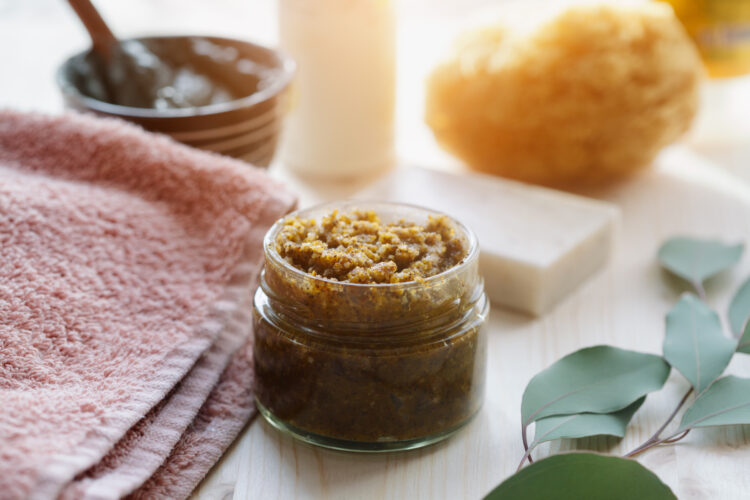
There are plenty of mud masks on the market but a lot of them contain dangerous additives. French clay contains only one skin-soothing ingredient: Green clay. This highly-absorbable clay contains healing minerals like silica, magnesium, potassium, titanium, sodium, and phosphorus to soothe and detoxify your skin. Use it weekly to clear up acne breakouts and tighten pores.
When you get rid of summer skin problems, you’ll be proud to show yourself to the world.
5/3/2013
What is Bronchitis?
Bronchitis is inflammation and infection of the lining of the bronchial tubes. Symptoms of bronchitis include wheezing, shortness of breath, chest tightness, fatigue, heavy and multicolored mucus production (clear, white, yellow, green), and persistent cough.
There are two types of bronchitis: Acute and chronic. Acute bronchitis comes on suddenly as a result of a cold or flu virus. Chronic bronchitis is often the result of cigarette smoking, allergies, and air pollution.
Natural Treatments for Bronchitis
If you are intolerant to conventional antibiotics or they have stopped working for you, you have several natural options to treat your bronchitis.
Oregano Oil
Oregano oil is one of the strongest natural antibiotics on the planet. Its incredible antioxidant capacity
makes it the go-to solution for flu prevention and natural bronchitis treatment. The active ingredient in this herb is carvacrol, a phenol anti-microbial and anti-inflammatory that eases chest congestion and eradicates disease.
You can take oregano oil in capsule form (250 milligrams 2 times per day until symptoms subside) or liquid form. In liquid form, use 5-10 drops of pure oregano oil in a four-ounce glass of water twice per day until symptoms subside. Always use a straw to drink pure oregano oil even in water as the pure oil can burn your lips.
Eucalyptus Oil
Eucalyptus oil is another natural treatment for bronchitis that can be used to open up inflamed airways. Though eucalyptus oil isn’t mean to be taken internally, you can put 5-10 drops in a hot bath and breathe in the steam to relieve chest congestion. Alternatively, you can mix eucalyptus oil with olive, neem or coconut oil and rub it on your chest and throat for quick relief. Eucalyptus contains cineole, a powerful antiseptic that makes it a good remedy to have around during cold and flu season.
Olive Leaf Extract
Olive leaf extract selectively blocks and prevents viral replication and is one of the most powerful antibiotics known to man. Olive leaf extract treats bronchitis naturally, boosts your immune system, heals inflammation, and treats fatigue. This powerful natural antibiotic has been used to effectively treat herpes infection, chronic candida, shingles, hepatitis, and more.
Garlic
Allicin is the main compound that gives garlic its powerful antiviral, antibacterial properties. For best results, crush or chop organic garlic fine and mix it into raw honey. Swallow, don’t chew the mixture. Use twice per day until symptoms subside.
Onion
Onion is another powerful natural antibiotic you can use to treat your bronchitis. Chop up a bit of organic onion and mix it with raw honey. For added benefit, mix in cayenne pepper and oregano leaves. Swallow, don’t chew the mixture. Use twice per day until symptoms subside.
Raw Honey and Cinnamon
Raw honey is an excellent food remedy for bronchitis. Raw honey contains essential vitamins, minerals,

antioxidants, and enzymes to heal your body from the inside out. This alkaline-forming food stabilizes your immune system, relieves inflammation, and eliminates the allergies that can contribute to bronchitis.
Adding cinnamon to raw honey turns the mixture into a strong anti-inflammatory bronchitis and allergy treatment. Mixing these two common food ingredients together strengthens your immune system and prevents the development of future cold and flu viruses.
Thyme
Research has shown that thyme is an effective herbal remedy for bronchitis. According to a German study, cough and mucus production was reduced by over 60% with a combination of thyme and primrose. The best way to use thyme to treat bronchitis is to make tea. Use two teaspoons of fresh thyme and add boiling water. Allow to steep for at least 5 minutes. Sip. Drink twice per day to open airways, decrease cough, and speed healing.
Bronchitis can be difficult to get rid of, especially if you have a chronic pulmonary condition. These natural treatments for bronchitis can have you breathing easier in a matter of a couple of days and keep you from developing more serious health problems in the future.
4/26/2013
If you are going to be successful in life — even if that just means creating a loving family or strong personal relationships, being a good person, or selling your handmade soap or paintings at a local crafts fair — you’ve got to stop making excuses.
If you want to get in better shape, or lose weight, or write that children’s book or start that gift shop or sell your artwork, you’ve got to do what all successful people do: go for it, unencumbered by the ball and chain of excuse-making.
Successful people don’t make excuses for not accomplishing things.
They point their eyes in the direction they want to go, and they start moving in that direction.
Success for many of us comes one step at a time. And it is often followed by many stumbles along the way.
Keep in mind success won’t come over night, but it will come if you sustain your effort day after day after day week after week, year after year.
I started my writing career at age 18, but it wasn’t until age 32 that I signed my first book contract. My file cabinets are filled with rejected short stories, novels that never made it, and a few nonfiction books that never seemed to make the cut.
I never gave up, though. I wanted to be a professional writer more than anything else in my life. I loved writing so much, I would have done it if it were illegal!
Period.
So, I suffered through a long, steady stream of rejection slips, never letting my passion for writing and my desire for success to wane.
Sure, I was disappointed from time to time, but I never gave up.
But I never stopped believing in myself.
I never stopped honing my craft.
I also never stopped studying markets and trying to figure out ways to sell my work.
I read books and magazine articles on writing. I studied what others did by reading everything I could get my hands on. I experimented. I reviewed my own work critically and kept trying to make it better.
I even discovered a few secrets of successful writing that could help turn any mediocre writer into a sellable author.
I didn’t make excuses for rejection slips, though, I wanted to. I didn’t give up because the chances of getting a novel published when the chances of getting a first novel when I first started my fiction-writing career were 16,000 to 1. That is, there were 16,000 rejected novels (in the 1970s) for every novel that was awarded a contract.
Those odds would have daunted the most dauntless among us. Not me.
So, whatever it is you want to achieve, drop any excuses and get started. You can’t make it to your destination if you don’t try.
Don’t ever doubt yourself.
Ever.
Hold on to your passion.
Tenaciously.
Remember, the world is full of 10-year overnight successes— people who struggled for years to become a success.
Never stop learning and trying to improve.
Never.
Leave the excuses for losers and pave your pathway with persistence, hard work, continual self-improvement, a little more hard work and diligence, dogged determination, perseverance, and then throw in a little more hard work for good measure. And tomorrow, start all over again.
But just never, ever give up.
Never.
4/24/2013
When we began road-testing top DIY toothpaste recipes here at Old School, we found that almost all called
for glycerin, an ingredient that demanded immediate Googling to discover if we could make it from scratch. What’s with glycerin? It’s a soap-making byproduct with antibacterial properties, but it’s often made with animal fat derivatives, which isn’t really our thing. So, we figured out how to make our own veggie version with coconut oil, opening up a whole world of kitchen pantry beauty concoctions (and gave us a bonus bar of soap).
Here's what you'll need:
- 1 cup coconut oil
- 1 cup olive oil
- 2 tbsp lye
- 1 cup water
- 1/2 cup salt
- large saucepan
- large bowl
- safety goggles
- rubber gloves
- candy thermometer
- spoon
- airtight glass bottle
- mold for soap
Here’s how to make glycerin:
- Put on safety goggles and rubber gloves. Pour one cup of coconut oil and one cup olive oil into large
saucepan and place on stovetop on high heat. Carefully add two tbsp lye and one cup cold water.
- Using a cooking thermometer to maintain temperature, heat mixture in saucepan to 125 degrees F, stirring regularly until the mixture is thoroughly blended. Reduce the heat to 100 degrees F.
- Stir the mixture with a spoon for up to 15 minutes, watching for "tracing," i.e., when the mixture thickens enough to maintain the outline of the spoon’s path for several seconds.
- Once tracing occurs, add a 1/2 cup salt and allow mixture to cool. Once cooled, soap will be curdled on top and glycerin will be left under it. Skim off the soap and pour it into a soap mold (win!).
- Pour the glycerin into a glass bottle and seal tightly. Store in the refrigerator, where it will last for 3-4 weeks.
Old School brings back-to-the-basics content with a modern twist. Whether you want to learn to tie a bow tie, raise chickens in an urban environment, give yourself a honey facial, or drink your own homemade limoncello, Old School provides the needed inspiration and instruction to learn those skills. In just 4 months, Old School has garnered 9K Facebook likes, and a rapidly expanding fanbase that is extremely enthusiastic about our unique, visually breath-taking tutorials.
4/24/2013
According to the National Institute of Mental Health, mental illness affects 26.2 percent of the United States adult population. Children with mental illness cover 20 percent of the population while teenagers between the ages of 13 and 18 have a lifetime prevalence of mental illness that stands at a staggering 46.3 percent!
Research has shown that mental illness disability rates have increased six-fold since the mid-1950s. In 1987, Prozac and other psychiatric drugs hit the market and have been soaring in use and profit for nearly 30 years.
The cause of the sudden rise in mental illness has been attributed to everything from more accurate diagnosis to the rise in crime rate.
Whatever the cause, many patients who see psychiatrists for treatment are given psychiatric drugs to suppress their symptoms without getting to the root cause of the problem.
There are 5 common causes of the symptoms of mental illness that should be looked into before psychiatric medication is prescribed.
- Vitamin Deficiencies
Poor diet, overuse of antibiotics, low stomach acid, and poor soil quality all contribute to widespread vitamin deficiencies. Vitamin D3 deficiency affects millions of people and can contribute to severe depression and anxiety. Magnesium deficiency also heavily contributes to anxiety, depression, and insomnia, which can lead to psychosis.
Vitamin B12 deficiency can often be mistaken for schizophrenia or bipolar disorder. According to a published case report, large numbers of psychiatric patients often have abnormally low B12 levels. Men with a deficiency in the essential mineral zinc often have low testosterone levels, which can lead to irritability, mood swings, depression, and anxiety.
- Gluten Intolerance
Gluten is a protein found in wheat, barley, rye, and some oats. It is estimated that 1 in 88 people are unable to successfully digest this protein. In addition to chronic digestive problems, gluten intolerance can also lead to psychiatric symptoms including depression, anxiety, obsessive compulsive disorder, and psychosis.
Gluten acts as neurotoxin to the intolerant person, which destroys brain cells and leads to the symptoms of mental illness. Gluten intolerance can also lead to a condition called leaky gut syndrome, where the lining of the intestines are more porous than they should be.
This causes undigested food particles, toxins, and yeast to leak into the bloodstream, leading to multiple food and chemical intolerance and symptoms of mental illness.
- Thyroid Disease
Another commonly overlooked physical cause of mental illness is thyroid disease. When the thyroid makes too little or too much of the thyroid hormone, a host of physical and mental symptoms can result. Depression, anxiety, mood swings, and irritability are the most common mental symptoms associated with thyroid disorder.
Oftentimes, it can be difficult to pin down thyroid disease as the symptoms are so varied and widespread. Anyone who has been diagnosed with a mental illness should have their thyroid checked to rule out this common condition.
- Chronic Candida Syndrome
Candida is a type of yeast found in small quantities in the digestive tract and genitals. Overuse of antibiotics and a diet high in refined flour and sugar feeds this yeast and can cause it to overgrow.
When yeast become systemic, it ends up in the bloodstream, where it slowly infects the entire body. This leads to a host of mental and physical symptoms that often baffle doctors and leads to inaccurate diagnosis.
Some of these symptoms include excessive fatigue, chronic headaches, irritability, mood swings, impaired concentration, depression, PMS, cognitive impairment, chronic pain, and digestive malfunction.
- Mercury Toxicity
This physical cause of mental illness can be another one that’s quite difficult to pin down because it has so many symptoms associated with it. Mercury is an amalgam most often found in vaccines, dental fillings, and fish. Neurological symptoms of mercury poisoning include brain fog, memory loss, twitching, vertigo, and fatigue. Fecal occult cultures and urine samples can determine if mercury toxicity is causing the symptoms of mental illness.
Some mental health professionals seem too quick to prescribe a psychiatric medication at the first sign of depression, anxiety, OCD or psychosis. This quick-fix attempt may stop the symptoms but it won’t get to the root cause of the problem.
The best way to heal psychiatric problems is to clean up your diet, eliminate toxins from your home, decrease your stress, increase your exercise, and sleep well.
In emergent situations where a person might become a danger to themselves or others, psychiatric medication certainly has a place. However, it is critical to rule out the physical causes of mental illness before becoming dependent on prescription drugs long-term.
Once you take control of your mental health by ruling out physical cause, you’ll be amazed at how much healthier and calmer you’ll feel.
3/25/2013
Most of us scurry through our days - ticking off items on our to-do lists, scurrying here and there, focused on feeding ourselves, attending to personal hygiene, making a living, exercising when we find the time to, weeding gardens, mowing lawns, arriving at appointments on time…you know the drill.
To make your life rich life even richer, consider taking some time to give a little to those whose paths you cross on a daily basis. Stoop down to pick up a water bottle someone walking in front of you dropped. Hold a door for someone, and ladies, that means you too. Offer a helping hand to someone in a store who can’t reach an item on a shelf, or help another load groceries in the trunk.
Practice random acts of kindness.
Random acts of kindness toward others, even perfect strangers, helps us break out of the shell of self-concern that traps so many of us. It widens our appreciation of the plights of others. It opens us up to the larger community in which we dwell.
It helps other people feel cared for.
It creates warmth.
It promotes a generosity of spirit so badly needed in these trying times.
It helps us broaden our role from taker to giver.
In so doing, we begin to think differently about ourselves and we gain happiness by becoming one who goes out of his or her way to assist others.
Try a random act of kindness today - just one per day is a good start.
You’ll find your life becomes more meaningful, more whole, more enjoyable, and more loving.
Read more from Dan Chiras here.
Photo from Fotolia/Chariclo
3/19/2013
Take a look in the mirror.
Right now.
Standing in front of the mirror now?
What do you see?
Are you smiling or frowning or just staring blankly at your visage?
If not smiling, or if smiling comes hard to you, here’s what I’d like to suggest as part of your New Year’s Revolution.
If you are not smiling, do it right now. If you are smiling, smile more broadly
You will very likely find that the simple act of smiling, actually makes you feel a little better.
Try it. See if it doesn’t invite just a wee bit of sunshine into your heart and mind.
Try smiling more today. When walking down the street, shopping, working, visiting with friends, whatever…paste a silly smile on your face and watch your world change before your eyes.
Do you need to fake a smile?
No.
I find myself smiling spontaneously as I go through my days. How does that occur?
By just thinking about how well things are going for me.
Count your blessings as you move through life, and smile.
You can also evoke a smile by concentrating on the pleasant visual and auditory stimuli brought on by sunshine, blue skies, billowy clouds, gentle breezes, songbirds…
Smile about the little things that grace your life.
You’ll be amazed at how much better you feel day in and day out, letting in the light and donning a smile of appreciation.
And you’ll be amazed at how many people smile back at you, brightening your day and theirs.
Previously chilly stares will be replaced by warm, inviting smiles – a touch of magic between complete strangers.
Smiling is highly infectious.
Your heart will be fuller as you go through life with a smile on your face and your mind will relax a little and you’ll spread kindness and warmth through the world making it a better place. The simple act of smiling will help create a happier world.
You will find that people will react to you differently, as you smile your way through your day. Smiling sends good vibes and helps connect us with others: shop keepers, convenience store operators, receptionists, your favorite grocery packer, even strangers on the street.
Try it today, and see if you don’t agree that this simple, rather silly advice brightens your life.
Photo by Fotolia