
Looking for a food forest plant list for sub-tropical regions? Growing a sub-tropical or Southern California winter garden is simple with the right plant choices.
As the first rains dapple the landscape, we still have an opportunity to plant our winter additions to the garden. By planting these plants now, you will allow for their continued growth throughout our wet-cool season in California. Because they are “ever-green,” these plants keep their leaves, continuing to develop all winter long.
Planting Citrus During Winter
Originating in the sub-tropical areas of Asia, citrus plants love our mild Bay Area winters. Citrus likes rich, fluffy soil. I find that raised mounds 12 to 24 inches tall work best. I amend calcium-magnesium organic soil feed into the bottom of the hole for each before planting. I then also feed each citrus twice a year with a top dressing of calcium-magnesium. Some favored options:
- Citron. Citrus medica. Best of the citrus for its zest and oil.
- Kumquat. Citrofortunella. Most cold-hearty of the citrus.
- Lemon. Citrus meyeri. Best juice for cooking in my humble opinion.
- Mandarine. Citrus unshiu. Best for fresh eating, and also quite cold-hardy.
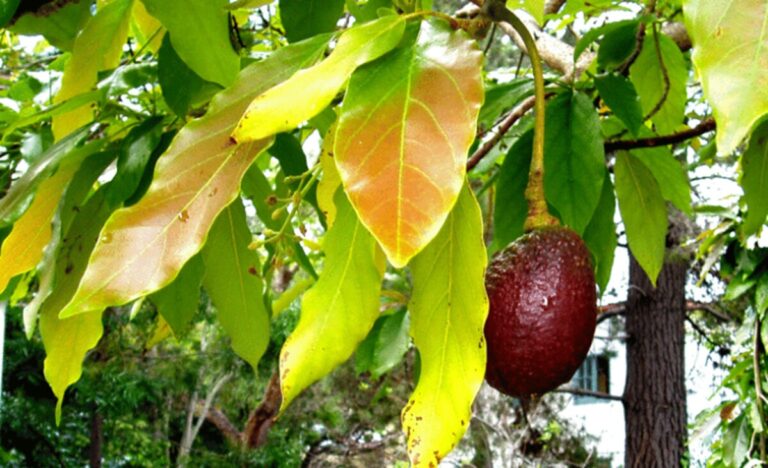
Planting Avocado
Originating in the tropical highlands of Mesoamerica, avocado loves growing in the subtropical parts of the world. This plant will not work well in places that have a hard freeze. Avocado likes rich, fluffy soil. I find that raised mounds 12 to 24 inches tall work best. I amend calcium-magnesium organic soil feed and 1/3 bag finished compost into the bottom of the hole. I then also feed each avocado twice a year with a top dressing of compost and calcium-magnesium.
Florida and California are blessed to have good avocado regions. Given the right conditions, avoados can provide homegrown protein. A few favored varieties are:
- ‘Haas’. Classic edible avocado that can save your family so much money once established.
- ‘Bacon’. Cold-hardy variety. By planting two types, you boost pollination.
Olives
This mighty tough plant provides humanity with oil, food, and light An olive tree can live 1,000 years and thrives in sunny, dry climates, ideally spaced 15 feet apart. Olive likes rich, fluffy soil, and I use raised mounds 12 to 24 inches tall. They are light feeders. I only amend 1/4 bag finished compost into the bottom of the hole. I then also feed each olive twice a year with a top dressing of worm castings.
- ‘Black Mission’. Classic Californian olive provides good oil and good fruit.
- ‘Mauro’. Heavy bloomer that can be utilized as pollination support for the ‘Black Mission’.
Create an Evergreen Edible Understory
These plants will bolster your edible diversity and hold the soil in place. Use wood chips, grass clippings, hay or cocoa hulls to mulch your property and protect your soil profile through the winter’s rains.
- Mint. Mentha spp. Helps dissuade rodents. Winter Blooms!
- Rosemary. Salvia rosemarinus. Helps dissuade rodents. Winter Blooms!
- Oregano. Origanum vulgare. Ditto.
- Nopal cactus. Opuntia ficus- indica. Edible perimeter fence.
Joshua Burman Thayer is a landscape designer and permaculture consultant with Native Sun Gardens and the author of Food Forests for First Timers. He is the Urban Agriculture Supervisor for Tenderloin Neighborhood Development Corporation in San Francisco, Calif.
All MOTHER EARTH NEWS community bloggers have agreed to follow our Blogging Guidelines, and they are responsible for the accuracy of their posts.






