

The Declining Mennonite Farming Community
The Mennonite community has a long-standing reputation for producing frugal and successful farmers, but not even the Mennonites have been able to escape the economic problems that beset the American farmer. So, at a special assembly in Mt. Pleasant, Pa., 130 Mennonite farmers formed a national organization to help other farming community members combat the accumulating debts that are driving established growers into bankruptcy and young people away from the farm.
In 1963, 38 percent of the North American male members of the Mennonite church farmed. Only 19 percent of the men farm now, and most of those individuals find themselves in situations similar to those of American farmers at large, who now account for only 30 percent of the American male population. That even such careful husbanders as these should find themselves in trouble underscores the seriousness of the decline in American agriculture.
Biological Insect Control: Fighting Fire With Fire
Biological controls have come into their own lately. Scientists at the USDA Insect Research Laboratory in Missouri have begun a release program involving two species of European weevil, which they hope will help control the musk thistle, a multimillion-dollar-a-year crop pest.
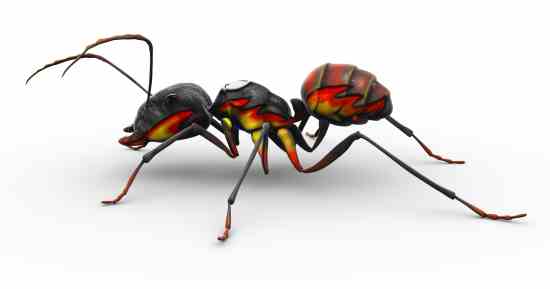
And that other weevil, the boll weevil, may finally have met its biological match, ironically in the form of another infamous pest, the fire ant. Researchers found that unsprayed cotton fields in East Texas with high infestations of fire ants reported no economic loss from boll weevils over the 11-year period from 1971 to 1982. On the other hand, fields from which the ants had been eradicated with Mirex in 1974 showed 90 percent cotton-bud damage when surveyed in August. While no one is recommending that fire ants be introduced into fields where they are not already prevalent, the research suggests that for some farmers, fire ants may be a problem worth living with.
Benefits of Houseplants
People typically buy indoor plants on the basis of two characteristics: The plants’ aesthetic value and their ability to survive neglect. But scientists at NASA point out another attraction — the plants’ ability to reduce concentrations of poisonous chemicals in the air.
The scientists subjected a variety of household plants to formaldehyde-laden air and monitored the results. Spider plants came out on top: One plant reduced formaldehyde pollution by one-seventieth in an 1800-square-foot home. Add 69 more plants, and presumably such a home can be guaranteed formaldehyde-free. Other plants and their ability to clean the air of other chemicals are now being tested.
The Horse Twitch: Equine Acupuncture
The horse twitch, a rather medieval-looking device consisting of a short loop of rope attached to the end of a stout stick, would seem an unlikely means of controlling an intractable stallion. Yet, applied to a horse’s upper lip, the twitch seems to have an almost immediate soporific effect.
Now Dutch scientists believe they have discovered the secret of the twitch: The pressure of the rope on the horse’s lip stimulates the release of endorphins, hormones that slow the heart and dull the body’s perception of pain, in much the same way that acupuncture needles relieve pain in humans. A high-strung horse, thus sedated with its body’s own painkiller, will more willingly abide the probing and poking of vets and handlers.
The Pig Ball: A Pig Toy
The pig, one of your more intellectual domestic animals, is, as any pig farmer will tell you, unusually sensitive to the ennui of confinement. So how to keep a bored pig amused? John Cali of Addison, Ill., has addressed that problem and is now marketing his solution: a colorful 10-inch plastic pig ball.
According to a story in the Wall Street Journal, the hollow balls can be partially filled with water. Rocked by the momentum of the sloshing water, the balls seem to hold the attention of even the most discriminating hogs.
Farmers have thrown playthings into their pig pens for years to keep pigs from venting frustrations on their fellow oinkers. But this, apparently, is the first time a toy has been designed and marketed specifically for swine. The balls, which come in a variety of colors, sell for $10.95 and up from Bonar, Inc. in Addison, Ill. Note: This article was published in 1985, and as such, the products and prices mentioned within may not be accurate today.






