

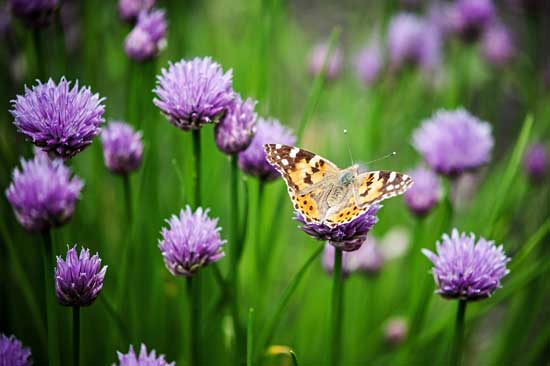
Image by Martin Melicherik from Pixabay
Recently you may have heard the terms ‘ecotherapy,’
‘nature-based therapy’ or ‘nature deficit disorder.’ They have
surfaced in response to research that shows humans have a basic
need to be in touch with the world around them; that contact with
nature and wildlife promotes both mental and physical well-being.
Everyday we feel a pull to nature in one way or another, through a
desire to gaze at the night sky, study a stately hawk or appreciate
the change of a season. Upon seeing a turtle inch across a busy
road, we take time from our ridiculously busy lives and stop to
help him out before continuing on to our destination.
The National WildlifeFederation (NWF) makes it easy for you to add a little (or a
lot) of nature to your surroundings. The five simple steps below
will help you create beautiful outdoor spaces that you, your family
and various critters will enjoy. All you have to do is provide
sources of food, water and cover, then maintain those sources in an
environmentally friendly manner.
1. Create Food Sources: Native plants and
wildflowers are excellent natural sources of food for wildlife, and
because they are well-accustomed to your area, they require less
intensive care. For a list of plants native to your state, along
with undesirable invasives to avoid, click
here. To
learn about attracting butterflies by incorporating their favorite
vegetation into your garden, read
‘Relief For Weary Monarch Butterflies.’
2. Create Water Sources: Birdbaths are
excellent sources of clean water for urban wildlife, but if you
have a yard to work with, a great way to provide access to water is
to create a small pond or water garden. It’s easier than it
sounds:
- Dig a hole 1 to 3 feet deep, preferably 3 feet if you want your
pond to be frog-friendly. Make sure the bottom is flat and level,
or water may leak from one side. Make sure at least one edge is
sloped, so frogs can come and go as needed. - Add padding to the floor of the hole with sand or old carpet to
protect the liner. - Measure the hole and choose a liner made from EPDM (a synthetic
rubber that withstands high and low temperatures); PVC will
deteriorate faster and contains harmful chemicals. The liner should
be big enough to extend at least 8 inches around the edge of the
hole. Install the liner, then add rocks and dirt around the edge to
secure it. - Add water and plants. (If you fill the hole with tap water, let
it sit for about a week to allow the chlorine to dissipate before
adding plants or other waterlife.)
3. Provide Cover: Critters need places to hide
and raise young?here’s where logs, brush or rock piles come into
play. Shrubs also are great cover sources, as are nesting boxes for
squirrels and birds. If you’re considering a nesting box or two,
keep in mind that bat houses are easy to make, and bats are great
at controlling insect populations, especially mosquitoes (to learn
more, read
‘
Fantastic Bats‘). If you have a couple of dead trees on your
property, you already have a great shelter for creatures of all
kinds.
4. Maintain: Now, all you have to do is keep
your new friends in mind when you are tending to your garden and
yard. Garden the green way using mulch and compost, and avoid
pesticides. Chances are your native plants won’t need much help,
anyway. Try reducing your lawn area, too, by expanding your
gardens. You’ll save a lot of time and gas by mowing less, as well
as reduce the need for water and fertilizer. Another easy and
eco-friendly gardening practice is to collect
rainwater in buckets for irrigating. More green gardening tips
can be found in ‘The Gardener’s Guide to Global Warming,’ a report from NWF that
outlines the threats of climate change and what gardeners can do to
help.
5. Certify: Not only will you enjoy new
neighbors such as frogs, songbirds and butterflies, but you can go
one step further and certify your new habitat with NWF. They will
provide you with an official certificate and free membership,
complete with a subscription to their magazine. They’ll even send a
press release to your local newspaper if you’d like. Go here to submit your application online, or call (800) 822-9919.
Handy Habitat Sites:
For more helpful information about attracting wildlife, read
‘Create Wildlife Habitat‘ and check out the tips from these sites:
Animal Planet’s Backyard Habitat Program
Access all the great information from the TV series here; includes
a step-by-step guide for neat projects such as ‘mockingbird pizza,’
‘lizard logs’ and more.
National Audobon Society
Whether you live in an apartment, suburban neighborhood or rural
homestead, this page has what you’re looking for.
Natural Resource Conservation Service
Visit the NRCS site for helpful pointers on planning your habitat,
including a recommended list of plants, trees and shrubs.
National Wildlife Federation’s ‘GreenHour’
NWF reports that children who spend at least one hour per day
outdoors are in better physical shape and have more active
imaginations. Click on the link below for more information and a
list of fun activities.





