


The further “out in the sticks” that a place is, the more likely it is to need resident help, and the less likely it is that they can afford regular salaried employees. The people who actually homestead off the grid are often low income, struggling to take care of all the necessary tasks that this otherwise rich and rewarding lifestyle requires. The same with small ranches, which barely make more money from their livestock to make ends meet. Likewise, the nonprofit organizations and activists that operate beautiful conservation areas and wild preserves do so on a shoestring budget, funneling their limited funds back into land restoration projects. This creates some difficulty for the owners and managers trying to hold on to their properties and never sell, but it simultaneously creates opportunities for those of you hoping to make a a healthy life out on the land possible for themselves and their loved ones.
Wildlife and botanical preserves depend upon volunteers for most of the good work they do, from planting shoots and seeds to controlling invasive species that impact the native biodiversity. In some cases they also have structures for volunteers or year-round caretakers to move into, or can be convinced to allow you to park a trailer there in order enjoy living on the land you commit to helping make thrive. Ranches are known for often providing food and a cabin to individuals or families willing to take on the cowboy duties. Backwoods homesteads tend to cycle tend to cycle though not always helpful, seasonal farm volunteers, but many can prove amenable to hosting long-term or even a life-long caretakers if you ask!

Asking is the key, since the owners of most such operations either don’t think to reach out for resident help, are too dang proud too ask for it. Others have tried but given up on running notices on the commercial “Caretaker” websites, finding that they mainly contain ads from busy resorts paying offering low wages only to the most qualified. As a result, 90% of the real caretakership positions that get filled, do so as a result of old fashioned word-of-mouth. Someone tells the grocer in the nearest small town that they could use a little help with their “spread,” posts a 3×5 card on a co-op bulletin board, or asks their friends to “keep their eyes peeled” for possible candidates. Thus, it is only through unconventional efforts that one can uncover the kinds of situations that we may long for: out in nature, solar powered, involving work that helps instead of harms our precious planet.
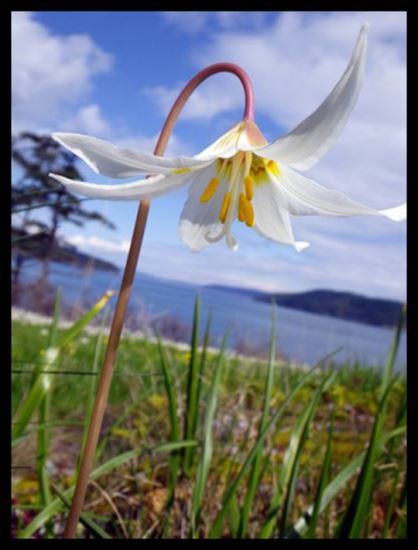
Caretaking is not normal employment, it is usually an oral contract in which the land owner pledges to provide a home and possibly a structure to live in, in exchange for a relatively few daily or weekly hours of labor. Some food may also be provided, depending, or even a small cash stipend, but it is generally a position that best serves either young applicants uninterested in financial gain, or else older applicants who have enough fixed income for their basic needs but not enough saved to buy their own property. For nearly 15 years, I learned to reinhabit the mountains of the rural West by caretaking a number of places: A wild turkey refuge on a creek 23 miles of dirt road into the forest from the small village of Pecos, New Mexico, planting oats for the birds and keeping the pipes thawed between the spring box and the log cabin provided. A ramshackle cattle ranch west the ghost town of Chloride. A-frame near the art colony of Taos, that I repaired and painted instead of paying rent. In time I found wilderness property that I thought I could afford, selling everything I owned for the down payment… everything except for the hippie school bus that I somehow managed to drive through the seven river crossings and up the hill to serve as my minimal shelter.

For 35 years now, I have managed this inholding in the Gila National Forest as a botanical preserve, reintroducing medicinal herbs and other native plants to Anima Wilderness Sanctuary, and welcoming back a diverse tribe of wildlife from waterfowl to elk and bear. In that time, we grew from only the bus-cabin to four different hand-built structures, including one that we are now dedicating as a home for future caretakers. It took many years to afford it, but we now have solar power and satellite internet for our main space, and can plan on upgrading the amount of panels and batteries at the caretaker lodge as well. The lodge overlooks the St. Francis river, the beavers and ducks that swim there, the trellising wild grape vines that drink from its waters and the javalina and deer that explore below… an enchanting location for the “coming home” of folks who may one day join us in devotion to the health and wildness of this canyon.

Circumstances have led my partners and I from being caretakers of other land, to being open to caretakers that could help us keep this dream alive. For the first two decades I was here, I had more than enough time to give to land restoration, trail borders, erosion control, and structure building and maintenance. But for the past ten years, we have been increasingly consumed with the creation of books and a successful publication for folk herbalists, Plant Healer Magazine, and with the organizing of the amazing annual Traditions in Western Herbalism Conference atop New Mexico’s sky island. As a result, it has gotten harder to give the land the attention we want to, to do the necessary regular maintenance on our exposed-wood cabins, or even to keep the firewood cut and split. And our partner Elka could use sweet company as well as some help with wildcrafting and running the indoor and outdoor kitchens that keep us all nourished and well. If you might be interested, please email me.

Now, as someone who has both sought out places to caretake and searched for caretakers, I can offer what may be a few useful tips:
• Be clear on what your needs and desires are, and how you’d meet them, including: environs, weather, shelter, electricity, food, income, and distance from the nearest shopping, schools, or hospital.
• Consider if you need a place where you can grow crops, or if you would enjoy wild lands devoted to native species. And if you would prefer the social advantages of rural land surrounded by other properties and families, or the often magnificence of remote places near or surrounded by federal land.
• Consider whether there are ways you can make necessary cash, apart from a caretaker role. This can be from savings, fixed income, investments, part-time work elsewhere, growing herbs or veggies to sell, or developing a home craft or mail-order business.
• If you have or plan to have children, decide if you want to integrate them into the homestead or wilderness lifestyle, and how if so.
• Decide the geographical region (bioregion) where you feel most drawn to, then begin to map out private land in the areas that are as remote or convenient as you and your family require.
• Research and record the locations of any possible homesteads, ranches, or preserves in the region, and try to make contact via email or phone.
• Travel to the areas you have selected, asking everyone you see if they know of any places like what you are looking for, that might also like to have some help.

When asking owners or managers about caretaking for them, stress what you have to offer, not what you expect in return. Describe your known abilities, as well as what other skills you would be willing to learn and apply. Be clear with them as to how long you can positively commit to, as well as if you would possibly be interested in staying permanently if things worked out.
Whether we end up a lifetime caretaker or making years of payments, we each have the option and opportunity to live our wildest dreams – including a dream of living close to the land and the elements, inspired by its beauty, fulfilled by our earthen role and worthy tasks.
To read more about caretaking and wilderness homesteading experiences, turn to the Archives atJesse Wolf’s Anima Blog.
All MOTHER EARTH NEWS community bloggers have agreed to follow our Blogging Best Practices, and they are responsible for the accuracy of their posts. To learn more about the author of this post, click on the byline link at the top of the page.






