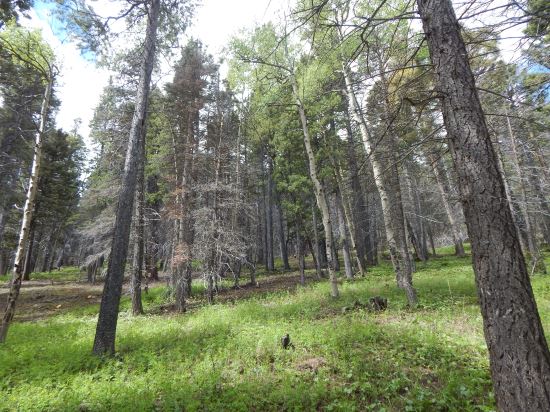
Eleven acres of heavily wooded land and the wood lot maintenance seems to never end in keeping it clean and non combustible. Since the land is steeply sloped doing the woodlot maintenance with our tractor is out of the question. It is steep and rocks of all sizes are everywhere therefore we have to keep it maintained using nothing but physical muscular power. There are many considerations to employ as we maintain our woods. This blog will embrace some of those considerations and how we maintain our thick woods.
I have been called derogatorily a “tree hugger” by a few people. They think that will bother me in a demeaning way but on the contrary I take it as a compliment and am extremely proud of my stance on the environment. I’m sure I have earned some negative comments since I opposed the blockage of a viable creek without having first obtained governmental permission and spraying 2,4,D Amine 4, where it is hazardous to humans, pets and our abundant wild animals. I have found that many people are quite content to allow destruction of our environment as long as someone else will speak out against it. Most people avoid controversy and take the low road in opposing environmental damage. I also would like to avoid conflict when possible but when it comes to the destruction of our finite resources my core being just won’t allow for me to remain silent or acquiesce to potential permanent damage. “Proud to be a tree hugger!”
This core instinct also plays a large role in sensibly maintaining our wood lot. Our trees are Fir, Spruce, Pine, and Aspen. We have some trees that are up to 30 inches in diameter at the base and the rest tend to taper down in size to saplings. We started almost two decades ago by cutting branches from trees to about 18 feet high and then mulching the limbs. Our community also provides sites where we can haul our branches and small trees and stack them where they can be safely burned when there is snow on the ground. By trimming branches we were then more able to maneuver through the woods and could address the thinning of trees. We started near the house and worked over the years in concentric rings working further and further out. We dislike cutting a live tree unless it poses a threat to our home or is in danger of falling. Sometimes it is necessary for the overall health of surrounding trees in spite of our reluctance to cutting a live tree.
We cut many of the dead trees and found in doing so that opened up the woods considerably and made cutting live trees less necessary. Some trees have and continue to die from old age, some from beetle infestation, some from over crowding and some for no apparent reason. Survival of trees in a semi arid environment makes it hard to thrive to begin with and over crowding compounds good growth. We have noticed that trees which have grown weak from over crowding tend to be prone to infestation by insects. While they are a good food source for woodpeckers we prefer to remove them. The larger trees we cut into logs and mill out lumber for various projects. The remainder of the trees are cut up for firewood. Some we burn ourselves and some we give away to friends, charitable groups, or those who sell firewood. We are only part way through the concentric rings but we have been taking it a section at a time making steady progress.
We have noticed that as we clear some of the small trees and dead trees that the remaining trees become more healthy and also the ground supports more wild grasses and undergrowth. Many people in our area heat with wood to either stay warm in the winter (as we do) or for the ambiance of having a wood fire. By removing dead or dying trees the remaining trees become stronger and are able to fend off disease, insects and wind plus heavy snow. It was very daunting when we first started to maintain our wood lot but by taking it one section at a time it has started to produce dividends. We now have more wildlife and more birds because they have clear corridors to walk and fly through. The animals have a better sight line and often bed down on our property without fear of a predator sneaking up on them.
It just makes sense to properly manage your wood lot for ease of being able to utilize your property and to help the trees become healthier. It also provides secure space for wildlife and birds. Taking the time to assess your particular situation and then developing a plan to methodically approach improving your wood lot is environmentally practical. When we allow others to cut trees on our property I have found it is best to be present. We had one person start cutting every tree in sight and fortunately we were there to stop that before it upset our plans for environmentally controlling our trees. While we desire to have the dead trees removed to thin out the woods and open up space for the remaining trees we do not allow irresponsible cutting of the trees. If you do not personally know who is cutting trees it is best to be cautious until you know they are responsible.
We have also found over the years that the most coveted firewood are the culls left over from milling lumber from our trees. Having a personal lumber mill has saved us thousands of dollars in projects around our homestead. For example when we needed a picnic table we cut some large dead standing trees and milled them into lumber to make the table. That table has lasted for many years with only a coat of wood sealer every few years it is in as good condition today as it was when we first built it. Our trees are all used efficiently and not much goes to waste. It all started many years ago when we first assessed our situation and devised an environmentally favorable plan to manage our wood lot. Each year when we see new growth on our trees and observe how healthy they have become by having the dead trees removed and the smaller trees thinned in places we can begin to see good progress. Having a good plan and then following it produces favorable results. It has taken perseverance, patience and lots of hard physical work but it sure is rewarding to see positive results.
For more on Bruce and Carol McElmurray and mountain living go totheir website
All MOTHER EARTH NEWS community bloggers have agreed to follow our Blogging Best Practices, and they are responsible for the accuracy of their posts. To learn more about the author of this post, click on the byline link at the top of the page