Patagonia’s Eco-Attire Protects You– and the Environment
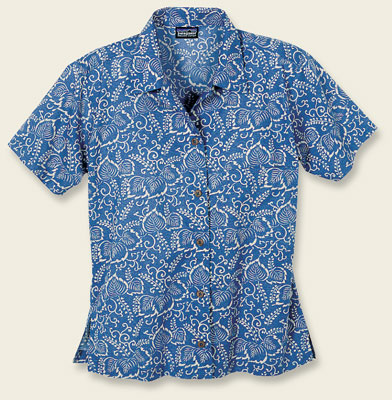
A trusty pair of walking shorts, perfectly seasoned blue jeans, a cheerfully loud Hawaiian shirt: Our favorite piece of clothing is often made of cotton.
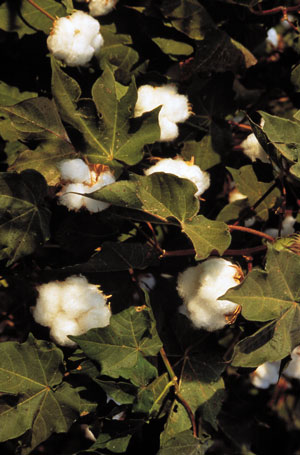
Many people choose cotton clothing for its soft, natural feel, but is cotton truly “the fabric of our lives?” A peek into the cotton industry reveals farming practices that chemically sterilize the soil, drench cotton plants with insecticides, defoliants, and synthetic fertilizers, and expose workers and the environment to dangerous toxic substances. And studies indicate that it takes about one-third of a pound of harmful chemicals to grow enough cotton for one T-shirt.
Fortunately, there is a better choice: organic cotton that is grown using safe, nontoxic farming methods. Natural fertilizers and compost enrich the soil, beneficial bugs control pests, and hand weeding gives cotton plants room to flourish. As consumers learn about this alternative, experts contend, they will demand clothing with less environmental impact, and organic cotton will become more widely available.
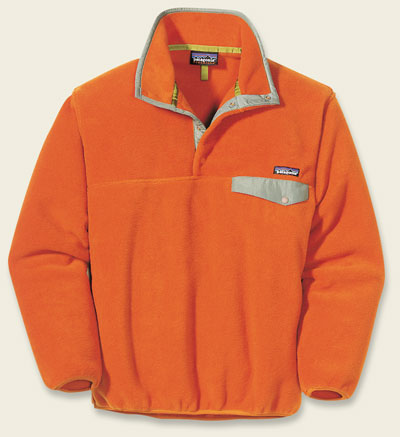
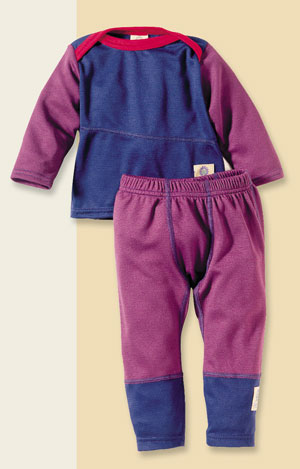
Patagonia, the outdoor apparel company that has built its reputation on durable, high-performance products, is determined to affect change in the cotton industry. In 1996, this maverick converted its entire line of cotton sportswear to 100-percent-certified organic cotton to support the growing market for softer, safer clothing. Coincidentally, it also located its headquarters in Ventura, California, just three hours from the state’s Central Valley, one of the largest cotton-producing areas in the world.
“. . . forward-thinking companies like Patagonia are discovering that the principles of harmony and balance that govern the natural world also are key components of sustainable enterprise.”
“Because organic cotton is currently more expensive than cotton grown in the traditional manner, we wanted our employees to understand why we made the decision to switch,” says Lu Setnicka, Patagonia’s Director of Public Affairs. “So together we toured the cotton farms in the valley to see firsthand the impact of agribusiness on the landscape. It shocked us.”
According to Setnicka, the switch to organic cotton represents “a great opportunity for our product designers to focus on the challenge of creating a better product for our customers and the environment.” Patagonia’s Environmental Grants Program donates 10 percent of the company’s pre-tax profits to environmental organizations and activist efforts. “We want to be an example for consumers and other companies in our industry” says Setnicka. Balancing profitability, performance, and environmental concerns is not easy, but at Patagonia, the definition of quality always begins with the environment. Setnicka openly acknowledges the paradox she and her colleagues confront in their decision making. “We do recognize that in order to do important environmental work, we have to remain profitable,” she says. “We won’t be an inspiration if we go out of business.”