
Plastics can be a tricky matter. They appear in a huge variety of forms and can pervade some of your most prosaic daily routines. And to make the situation more complicated, some plastics may be relatively safe for your home, while others can pose environmental and health risks.
Thankfully, however, not all plastics are created equal. Some are more recyclable than others; some outgas less. Better yet, strides are being made toward “green plastics” made from natural ingredients such as cellulose, starch, and collagen.
But until earth-friendly plastics are more widely available, what’s a homeowner to do? Determining the differences among plastics can be quite a challenge. Knowing where, in what form, and for what uses plastics can materialize can help you decide what conveniences to keep around your home and what to boot out the door. We asked several environmental experts to guide us through the gray areas. Here’s a room-by-room look at the plastics we can live with–and without.
Kitchen
“Getting plastic out of your home is an excellent goal, but it’s really, really hard to do,” says environmental health consultant Peggy Wolff. “I certainly have some plastic in my home. It is just practical.”
But when it comes to plastic and food, Wolff is quick to draw the line. “It leaches into the food,” she explains. “The softer the plastic and the warmer the food, the more leaching there is.”
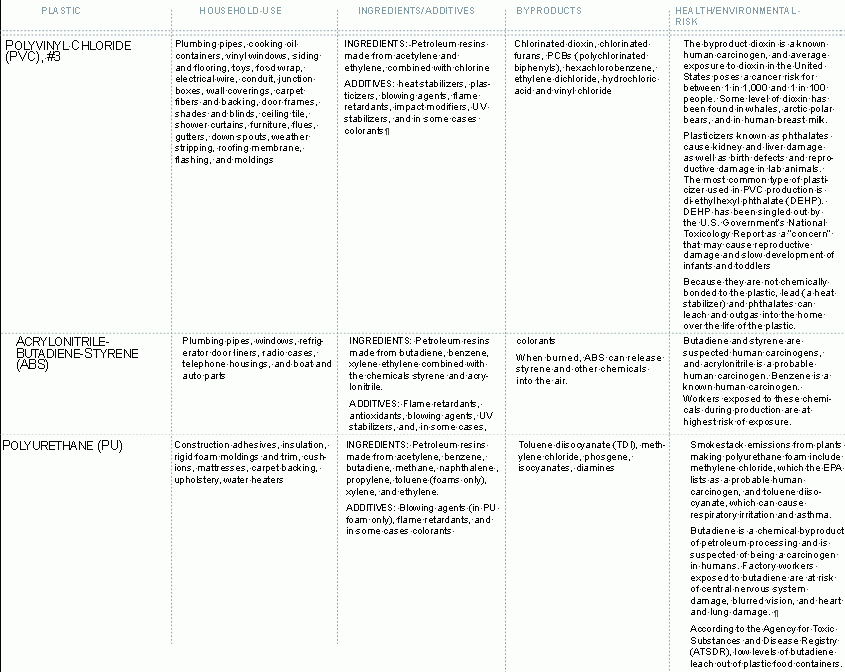
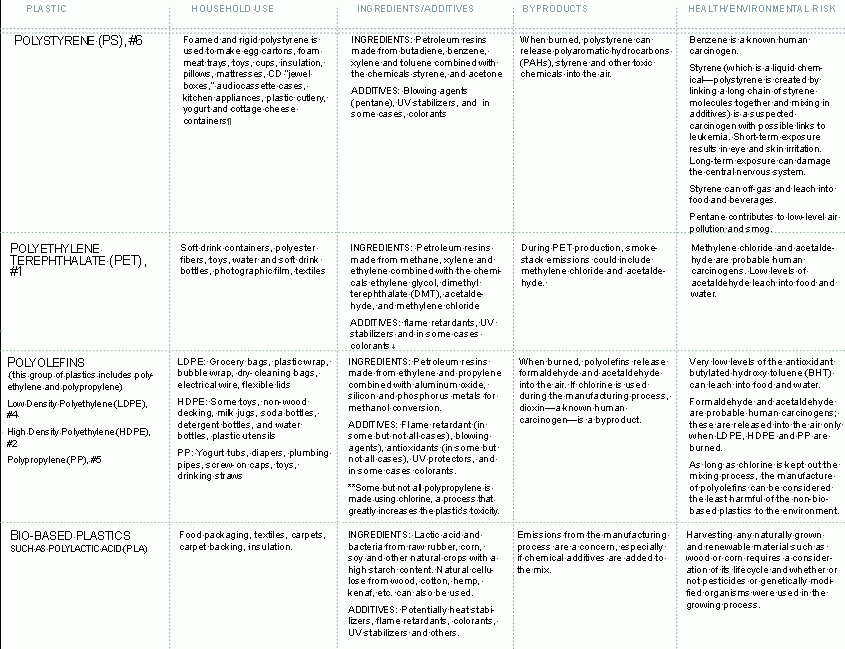
Different plastics use different additives, some more benign than others. The plasticizers used for PVC, especially phthalates such as DEHP, are very bad. That’s why Wolff never puts hot food in plastic, opts for kitchen accessories such as blenders with glass components, and freezes food in glass containers. “People aren’t used to using glass in the freezer,” Wolff says. “They always think it’s going to break. The main problem where things tend to break is when you’re defrosting them.” To guard against this breaking, she suggests, try defrosting in the refrigerator.
If you must use plastic, keep in mind that the softer the plastic, the more readily chemicals will leach out. And nothing encourages leaching like heat. “Most people are putting their food in plastic containers in a microwave, and we really don’t know what the interaction between food and plastic is,” Wolff says. “Food and plastic, that’s just the worst combination.”
Lynn Bower, author of Creating a Healthy Household (Healthy House Institute, 2000), also uses glass, wax paper, and aluminum foil for food storage. “Cellophane is brittle, but it is very good,” Bower says. “In some circumstances it works just as well as plastic and sometimes even better. And it’s biodegradable.”
Bower does favor plastic over paper for garbage because, she says, paper is just too messy. But otherwise, the Bower kitchen is fairly plastic-free. She opts for stainless steel countertops because the particleboard used with laminates and Corian can outgas formaldehyde. If you are ready for a more serious deplasticizing in your kitchen, getting rid of laminate countertops can be a fundamental step. There are several noteworthy and attractive alternatives, including glass or ceramic mosaic (a great way to recycle beautiful old glass jars, bottles, and pottery) and stone.
Bower also uses wood or metal dish racks, avoids coated cookware, and has replaced vinyl placemats and tablecloths with those made from cotton weaves.
Bathroom
Glass is an obvious alternative in the bathroom, where it can be used for lotions and shampoos, but it’s not always a safe one. Instead, Wolff suggests refilling plastic containers from bulk supplies. (This also works well for kitchen dish soap.) This doesn’t eliminate the use of plastic, but it minimizes it.
Forgo the plastic shower curtain–a major offender in outgassing phthalates–in favor of heavy duty organic cotton or hemp, a fiber that is naturally mildew resistant. Also, look for accessories such as wastebaskets in wicker.
Bedroom
Plastics in the bedroom may not be obvious, but the most likely culprit is the very bed you sleep on. Conventional mattress and pillow fills are often foam, polyester, and other synthetics–all forms of plastic. Look for organic cotton bed linens and mattresses made from wool and natural latex.
Use metal hangers instead of plastic and wood or metal shelving in the closets. Also, says Wolff, “Keep computers, printers, and fax machines out of the bedroom. They are encased in plastic and heat up and outgas, too.”
Nursery
Plastics are everywhere in the nursery–on crib bumpers, diapers, toys, bottles, pacifiers, teething rings–but there are alternatives. Ecobaby Organics (888-326-2229) offers organic cotton crib bumpers, mattresses, and bed linens, as well as wood furnishings and toys in natural finishes.
Cloth diapers are readily available, as are glass baby bottles. When pacifiers are used, opt for silicone, available from hospitals and in stores, and teething rings and rattles in naturally finished wood.
“People don’t realize a lot of wood products are coated with a finish that is made from plastic,” points out Ginny Caldwell, Ecobaby Organics president. Those products include everything from cribs to dressers to toys. Instead, choose unfinished hardwood and coat with a plant-based sealer or purchase items finished with natural paint or sealers.
Office
“Plastics heating up are the major reason that new computers smell,” says Wolff. “Use LCD (liquid crystal display) monitors; they run cooler and have much less odor. I have my computer and printer encased in wood and glass, and while the computer is on, I turn on a fan that exhausts contaminated air outside my home. I recommend everyone do this.”
Storage
Although most agree that plastic storage containers are a reasonable option because they’re sturdy and almost endlessly reusable, Kelly Dorning, founder of Home Environment (877-251-4905) recommends the old-fashioned cedar chest.
Bower favors cookie and popcorn tins for storing sewing, hobby, and art materials. She also uses them to store small toys. For items requiring a larger container, Bower buys five-gallon galvanized garbage cans. “Those are a great way to store things. You can use [them] for bird seed, cat litter, and dog food.”
For clothing, you can make storage bags from tightly woven cotton fabric also known as barrier cloth.
Small steps
Carry cloth bags. Cloth bags stashed in your car can be at the ready for carrying groceries, library books, and just about any other load.
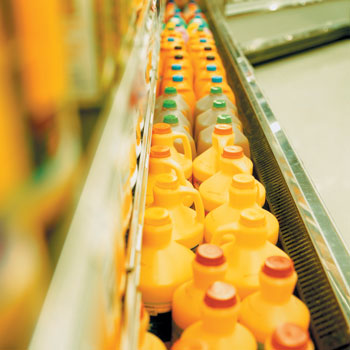
Buy in bulk. Plastic packaging can be sneaky. Aseptic containers (with foil, plastic, and cardboard layers) abound. Juice drinks, soy milk, and other beverages often come in this packaging. Look for bulk drinks, nuts, flour, pasta, cereal, and candy. Make sure that organic yogurt comes in a #2 plastic container, which is recyclable.
Choose ceramic and glass dishes and metal flatware. Even if you’re in a hurry, these can make a better choice than plastic meal accessories. Going on a picnic? Take them with you and wipe them down with a damp cloth until you can wash them. Sure, washing dishes takes more water, but fill up the sink once and get them all clean with one sinkful.
Think fabric. Replace vinyl miniblinds with bamboo or linen curtains. Placemats with woven fabric. Vinyl shower curtain with mildew-resistant hemp.
Conditioning plastic
When you can’t avoid bringing new plastic into the home, environmental health consultant Peggy Wolff recommends forcing it to outgas before it comes in contact with food and other items.
“Wash out the container and run it through the dishwasher, or soak it in baking soda and water,” Wolff advises. “That tends to neutralize chemicals. Rinse the container with water, then stick it in the sun and let it do its thing–just for a day or two. Then bring it inside and store it in a cool area. The colder it is, the less it will outgas.”
Additive glossary
Antioxidants: to prevent the plastic from degrading or oxidizing. Can include phosphites and/or butylated hydroxy toluene (BHT).
Blowing agents: to add porosity to or foam a plastic. Can include carbon dioxide, pentane, melamine, and methylene chloride. Chlorinated flourocarbons (CFCs) were used as blowing agents in the past. Most but not all plastics no longer contain CFCs.
Colorants: to add color to a plastic. Can include organic or inorganic dyes. Azo dyes are the most commonly used colorants.
Flame retardants: to help prevent plastics from catching fire. Can include organophosphates, aluminum trihydrate, aluminum phosphate, and halogenated hydrocarbons.
Heat stabilizers: to prevent high temperatures from breaking down the plastic. Can include heavy metals like lead, cadmium and barium.
Impact modifiers: to add strength to a plastic. Can include chlorinated polyethylene, acrylic polymers, and ethylene vinyl acetate.
Plasticizers: to soften and add flexibility to a plastic. Can include phthalates such as di-ethylhexyl phthalate (DEHP).
Ultraviolet (UV) Stabilizers: to prevent sunlight from breaking down the plastic. Can include amines, carbon, and hydroxybenzophenones.
–Sam Martin