



“Can we maintain the authenticity that comes with a 1940s home and neighborhood while honoring our commitment to sustainability?”
– Maureen Bumgarner
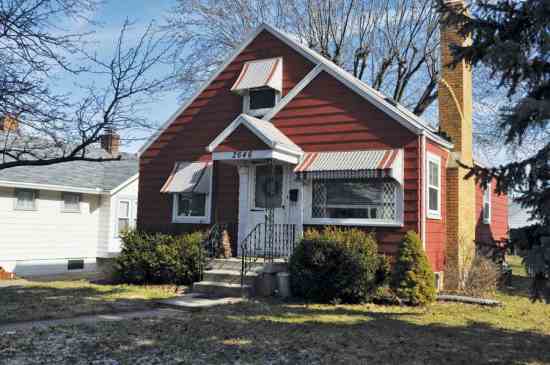
Maureen and James Bumgarner’s 1947 home in Dayton, Ohio, is a typical post-World War II residence with a concrete foundation wall, aluminum-sided exterior walls framed with two-by-four wood studs, and a wood-rafter roof. The house is charming, but it wasn’t built for efficiency. Though Maureen and James are very energy-conscious, their utility bills are high.
A few minor changes could greatly increase the older home’s efficiency and offer a lot of bang for the couple’s renovation buck. With the money these improvements save the Bumgarners on utilities, the couple should be able to afford to give the old home the major renovations and cosmetic fixes it also needs.
1. The original windows are outdated.
Problem: The home’s many windows are inefficient and outdated. The original wooden single-pane windows are in poor condition, and the storm windows have many air gaps.
Solution: Windows are a big investment, but they greatly improve a home’s energy efficiency and acoustical qualities. The Bumgarners should invest in high-quality windows to save the most energy. Federal and state governments offer tax credits to help offset the windows’ cost, though the federal dollar cap is set at $1,500.
Cost: $15,000 for 17 windows (including basement windows); federal, state and local tax credits may help offset cost.
2. The carpet is old and traps allergens.
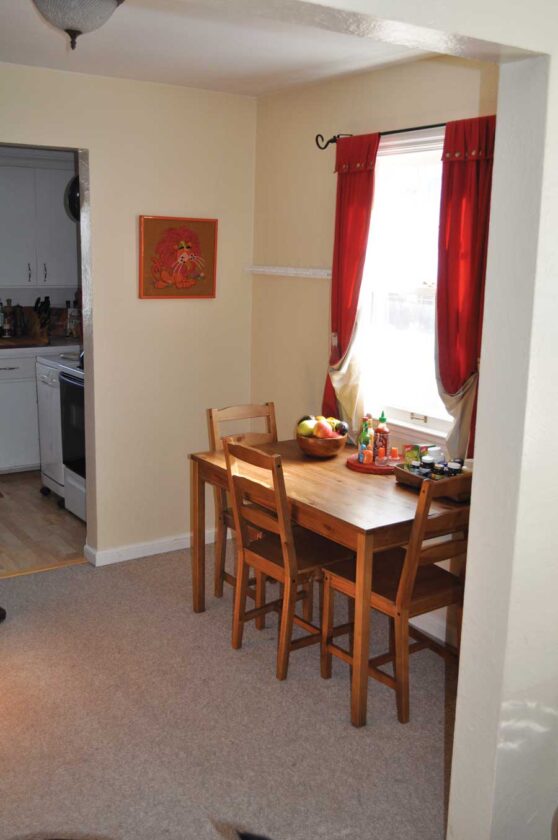
Problem: The Bumgarners have a dog who tracks dirt and toxins into their home every day. Wall-to-wall carpet traps and holds all of the dirt and allergens.
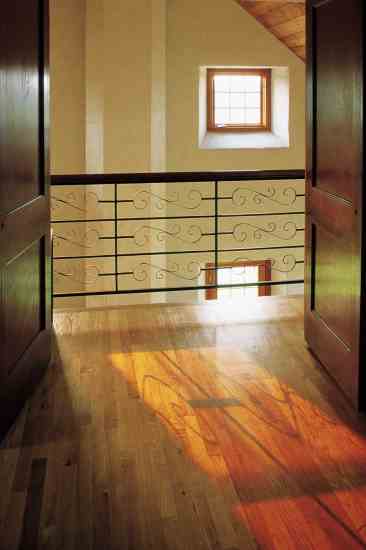
Solution: The Bumgarners can cut down on allergens by replacing the first-floor carpet with a hard surface. Fortunately, they can easily refinish the hardwood beneath their carpet with a nontoxic clearcoat such as AFM Safecoat’s Polyureseal BP. They can responsibly recycle their old carpet through one of Carpet America Recover Effort’s CARE centers. The nearest to Dayton are in Columbus, Ohio, or Indianapolis.
Cost: Sanding and coating about 1,000 square feet: $4,000
3. The old house is leaky and inefficient.
Problem: Drafty bedrooms and a too-cold basement are just the tip of the iceberg in this older home. As in many homes, the furnace, water heater, plumbing and ductwork are all in the basement, where colder temperatures make them run less efficiently.
Solution: The Bumgarners should schedule a professional energy audit, including a blower door test, total thermal scan and written report. (Some companies offer free energy audits, usually as part of an insulation package.) Using the results, they should tighten up the home by insulating the basement, exterior walls, roof, attic spaces, hot water piping and water heater, and seal around the windows and doors. This should cut the couple’s heating and cooling costs by about 30 percent.
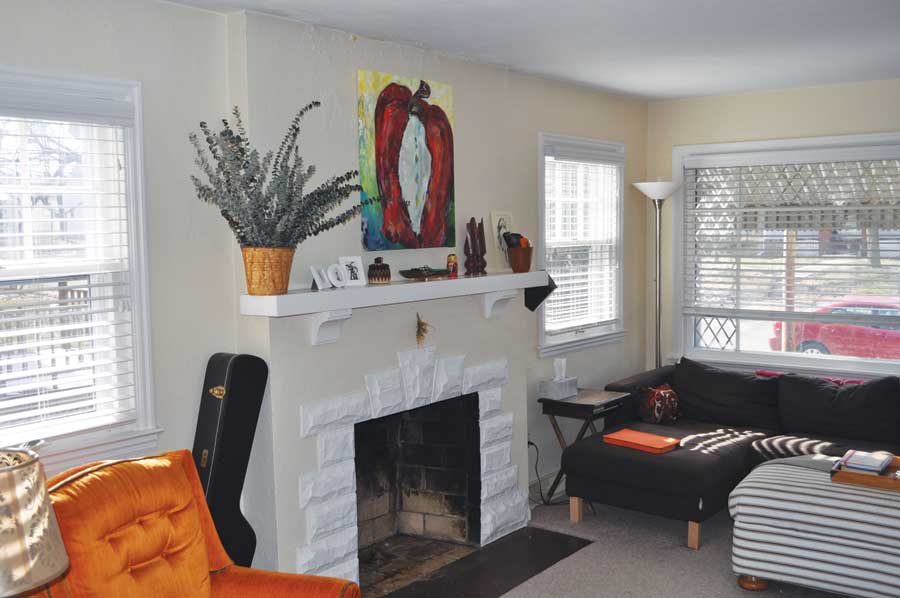
They should also have their ducts cleaned, install new air filters, and seal and repair the fireplace, which is allowing water to enter the home and conditioned air to escape it. Cleaning ducts every other year saves energy and improves indoor air quality. Changing air filters regularly also improves air quality; I recommend using premium filters, such as Filtrete Micro Allergen Air Filter Red Series, and changing them monthly.
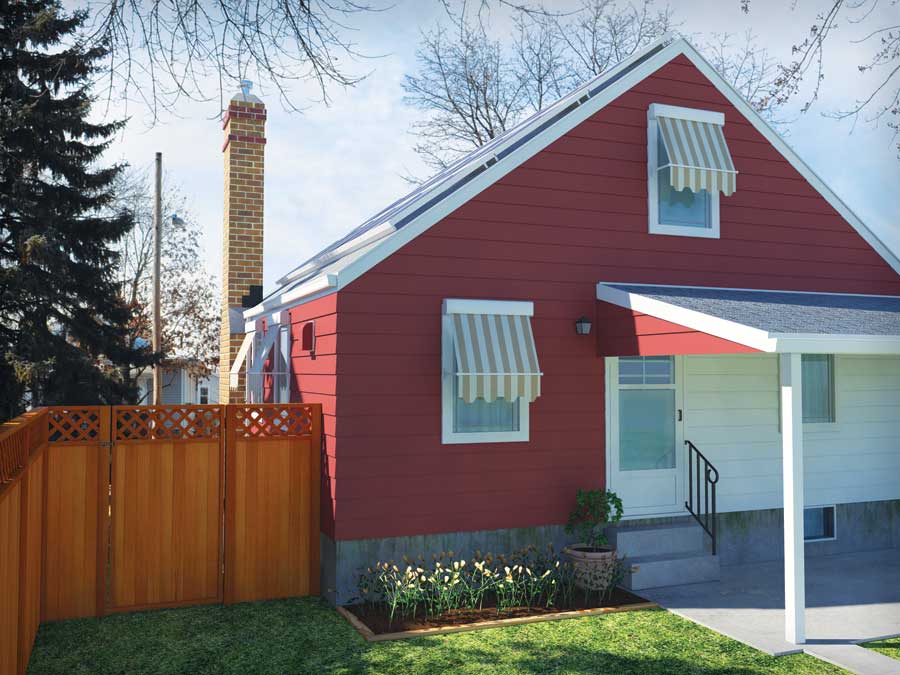
Installing a programmable thermostat and retractable canopies over the living room’s south-facing windows (to cut off heat from the intense summer sun) will also help lower utility bills.
Cost: Energy audit: $0 to $500; sealing and insulating: $2,000 to $3,000; cleaning ductwork and installing premium filters: $600; annual replacement filters: $100; programmable thermostat: $300; canopies: $300 installed
4. The Bumgarners want to install solar panels.
Problem: This is a tough decision financially. Though incentives are better than ever, electricity is cheap and solar panels are expensive. Unfortunately, most of Ohio’s cheap electricity comes from coal, which emits lots of carbon dioxide and is an environmental disaster to mine.
Solution: Before purchasing any form of alternative energy, Maureen and James should focus on making the home as efficient as possible; no one should install solar panels on an inefficient home. Reducing their power needs will mean they can buy less equipment and keep costs down.
Once the Bumgarners have tightened up the home and reduced energy use, a 3-kilowatt system could generate more than half of their energy demand. Lucky for them, Ohio offers excellent incentives for homeowners who install solar panels, and the Bumgarners’ south-facing roof has great exposure.
Cost: 3-kilowatt photovoltaic system: $27,000 installed (a Residential Solar Photovoltaic Energy Incentive from the Ohio Department of Development would cover approximately $8,500, and additional federal tax benefits exist)
Efficiency tips
1. Efficient windows should be your No. 1 high-dollar investment. Few other home improvements make such a drastic difference in your home’s efficiency.
2. Get rid of carpet. Carpet harbors nasty germs, allergens and toxins. Hardsurface flooring with washable area rugs is a much healthier option.
3. Insulate exterior walls, basement walls, roof and attic spaces. Insulate the water heater and hot water pipes in the basement.
4. Opt for alternative energy only after you’ve made every other possible efficiency improvement to your home.
Resources
Information:
DSIRE
tax incentive directory
Office of the Ohio Consumers’ Council
Ohio energy information
Ohio Department of Development
Home Energy Assistance Program (HEAP)
Energy:
3M
Filtrete premium air filters
Airkrete
cementitious foam insulation
Dovetail Solar
photovoltaic systems
Third Sun Solar and Wind
photovoltaic systems
Flooring:
AFM Safecoat
nontoxic floor finish
Carpet America Recovery Effort
carpet recycling
Kruse Carpet
carpet recycling
Windows:
General Awnings
window awnings
The St. James Company
efficient windows
Serious Windows
efficient windows
Stanek
efficient windows made in Ohio
Eric Elizondo owns EcoStudio Architecture/Design/Planning/Consulting in Columbus, Ohio, and is a founding member of the U.S. Green Building Council’s central Ohio chapter. He writes and lectures on green design’s economic and environmental benefits.





