

Major world events emit a lot of carbon dioxide, and the 2010 FIFA World Cup is no exception. The first World Cup to be hosted in Africa, this event is expected to emit about 6 billion pounds of carbon dioxide, from international travel to stadium construction and energy use. International travel will account for nearly two-thirds of that estimate, but travel within the country will also add up; the distance between matches is great, and South Africa’s limited modes of transportation mean most visitors will fly multiple times to reach the games, leading to higher transport emissions.
The South African government understands the negative environmental impact this event will have, so it set up the Green Goal Program to help reduce any long-term effects from hosting the 2010 FIFA World Cup. Some highlights of this program include:
• Encouraging visitors to use public transportation
• Making sure 50 percent of public transport includes bicycles and other non-mechanized methods
• Using renewable energy to power the stadiums
• Minimizing takeout food packaging
• Promoting the use of reusable construction material for temporary facilities
• Minimizing the use of newspaper and single-use advertising boards and promotional materials
Recycling
Before the tournament even began, Coca-Cola jumped on board with recycling efforts. In May 2009, Coca-Cola launched a recycling campaign that encouraged South African students to recycle by offering the top collectors free tickets to a FIFA Confederation Cup match. Within a month, the students collected more than 67,000 PET bottles for the recycling campaign.
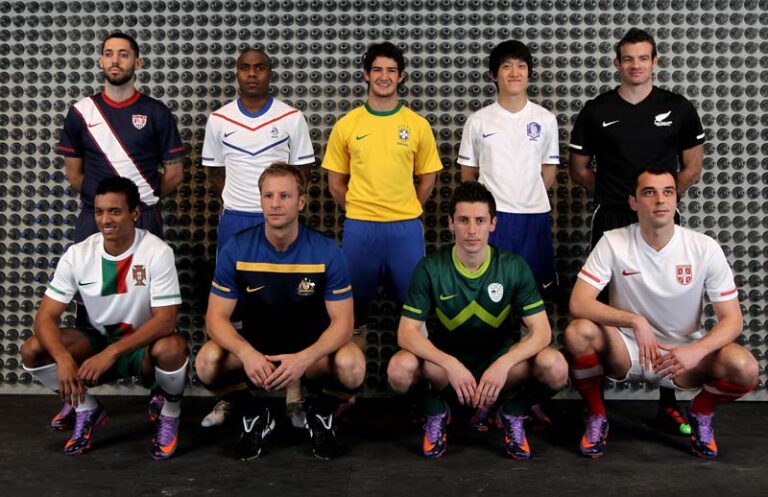
South Africans aren’t the only ones getting into the recycling efforts. Nine national teams, including the United States, are sporting jerseys made from recycled bottles. Made by Nike, the jerseys are made entirely from recycled polyester and include up to eight bottles per uniform. The team jerseys prevented almost 13 million plastic bottles from ending up in a landfill. The total list of teams wearing the recycled jerseys includes the United States, Australia, New Zealand, Brazil, Portugal, the Netherlands, Serbia, Slovenia and South Korea.
Green transportation
Days before the 2010 FIFA World Cup kicked off in South Africa, Johannesburg, the nation’s largest city, opened the first high-speed rail line in Africa, making inter-city transportation cheaper, faster and easier for visitors. The line, called the Gautrain, connects Johannesburg’s international airport to its financial district. When the line is completed next year, it will connect Johannesburg to Pretoria, South Africa’s capital.





