

Discover the hidden flavors of the city with Los Angeles urban foraging. Find inspiration for gleaning fruit, wild greens, and other edibles in cities and other urban environments.
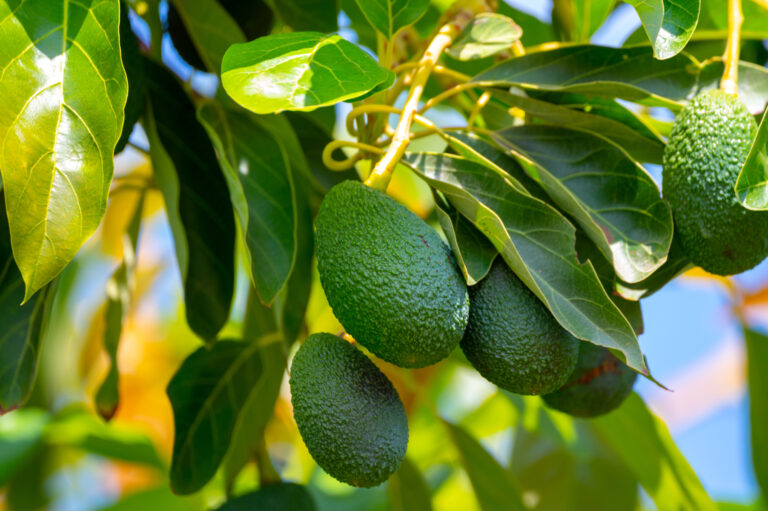
Walk through almost any neighborhood, and you’ll notice them once you start looking. Lemon trees (Citrus ×limon) sag over fences. Grapefruits Citrus × paradisi drop onto sidewalks. Avocado trees (Persea americana) tower above bungalows. Loquats (Eriobotrya japonica) quietly ripen on streets where no one seems to pick them. For many people, these fresh fruits fade into the landscape. But for those paying attention, they tell a different story about the city.
Los Angeles is one of the most abundant urban environments in the country. A Mediterranean climate, decades of backyard plantings, and a culture that brought fruit trees from around the world have created a kind of accidental orchard scattered across neighborhoods, parks, and hillsides.
Learning to notice it is the first step into urban foraging. A walk through Highland Park might reveal loquats ripening above the sidewalk. In Pasadena, you may notice mature grapefruit trees in front yards heavy with fruit. In Echo Park or Silver Lake, avocados sometimes tumble down steep hillsides, where no one bothers to pick them.
The practice isn’t about taking advantage of someone else’s yard or stripping trees bare. At its best, it’s closer to what farmers have long called “gleaning”: moving carefully through a landscape, paying attention to what the seasons offer, and collecting food that would otherwise go to waste.
In a city as large and diverse as Los Angeles, urban gleaning becomes a way of seeing the place differently.
The Idea Behind Urban Gleaning
For most of history, gleaning meant something specific. After farmers harvested their fields, people would return to collect whatever crops remained. It was a way to prevent waste and make sure food reached more people.
The same idea now plays out in cities.
In Los Angeles, city foraging often means harvesting fruit that hangs over sidewalks, collecting citrus that would otherwise fall to the ground, or picking from trees whose owners simply cannot keep up with the harvest.
And there’s plenty of it.
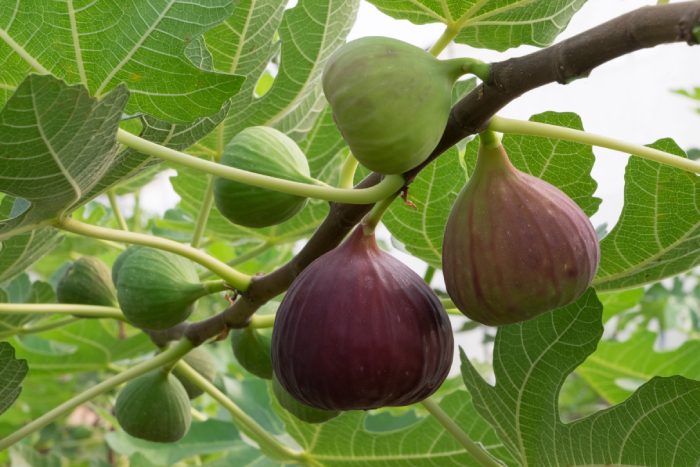
Many neighborhoods were planted with fruit trees decades ago: lemon, orange (Citrus × sinensis), fig (Ficus carica), persimmon (Diospyros virginiana), guava (Psidium guajava), and avocado. These trees are mature now, often producing hundreds of pounds of fruit every year — more than most households can possibly use.
Some of that fruit ends up on neighbors’ doorsteps. Some naturally becomes jam or backyard lemonade. But a surprising amount simply falls to the ground.
That’s where urban gleaning comes in.
In fact, Los Angeles has one of the most organized gleaning efforts in the country through Food Forward. This nonprofit coordinates volunteers who harvest surplus fruit from backyard trees, public orchards, and farms across Southern California. Instead of going to waste, the produce is delivered to food banks and hunger-relief organizations.
Its work is a reminder that urban foraging isn’t just about personal discovery. It can also be part of a much larger effort to reduce food waste and help feed communities.
Online foraging and gleaning tools, such as the Falling Fruit map, can make the process easier. This community-run map catalogs edible plants in cities around the world. In Los Angeles, users have logged thousands of fruit trees and edible plants, offering a starting point for anyone curious about urban foraging in the area.
But the best approach to urban foraging is simply walking slowly and noticing what grows where. Over time, the map of the edible city will begin to build itself in your mind, and the seasonal rhythms will appear: mulberries (Morus spp.) in early summer, persimmons in fall, citrus (Citrus spp.) throughout winter, and wild greens and early orchard fruits in spring.
Foraging Etiquette
Urban foraging works best when it’s done quietly and respectfully.
The general rule is simple: Harvest only what’s clearly available from public space. Fruit hanging over sidewalks or branches leaning into alleys are usually fair game. Climbing fences or entering private yards are not. When in doubt, it’s always better to ask. A quick conversation with a homeowner often leads to surprising generosity. Many people are relieved to see someone enjoy fruit they can’t possibly harvest themselves.
Another important principle is restraint: Take only what you need. Leave plenty behind for neighbors, birds, and anyone else who might pass by.
When practiced thoughtfully, urban gleaning feels less like taking something and more like participating in a shared landscape.
A Few Realities
Foraging in a city raises questions that don’t come up as much in rural environments.
One of the most common concerns is pollution. Take special care when foraging in areas with traffic, pesticides, or potential soil contamination. Avoid harvesting within 50 feet of major roads, freeways, or heavily trafficked areas; for leafy greens and herbs, 50 to 100 feet is a safer buffer. Fruit growing directly beside major roadways can be exposed to higher levels of exhaust and dust. Many foragers simply avoid harvesting from trees immediately next to highways or heavily trafficked streets.
Exhaust, tire dust, brake dust, and road particulates can settle on leaves and soil, where plants may absorb or hold contaminants that could be ingested. When possible, choose cleaner, quieter areas. Residential neighborhoods, parks, and quieter streets tend to feel like safer choices. Lastly, avoid collecting fallen fruit in areas frequented by pets or high foot traffic, and wash everything thoroughly.
If possible, ask about pesticide use before harvesting from private trees. Some homeowners spray their trees, while others never do. And, of course, wash everything thoroughly before eating. These small precautions go a long way toward making urban foraging both safe and enjoyable.
What to Forage in Early Spring
Spring in Los Angeles doesn’t arrive with dramatic changes in temperature. Instead, it creeps in quietly. After the winter rains, hillsides begin turning green again. Wildflowers appear along trails. Neighborhood trees start preparing for their next fruiting cycle. For those exploring city foraging, early spring offers an interesting mix of foods.
- Chickweed. Chickweed (Stellaria media) is easy to miss unless you’re looking closely. It grows low to the ground in gardens and shaded areas after winter rains. The leaves are tender and mild, making them excellent for fresh salads or simple herb sauces. Look for low-growing mats with small, oval leaves and tiny, white, star-like flowers.
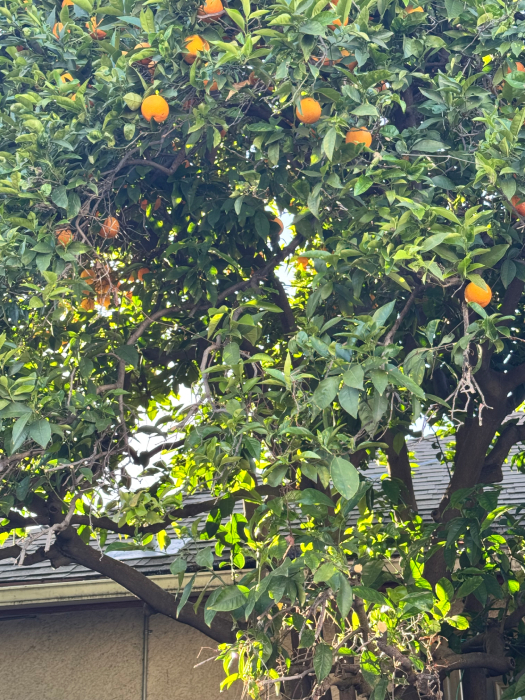
- Late citrus. Even as spring begins, citrus trees across Los Angeles often remain heavy with fruit. Lemons, oranges, and grapefruits linger on branches well into the season, making them one of the easiest foods to gather responsibly.
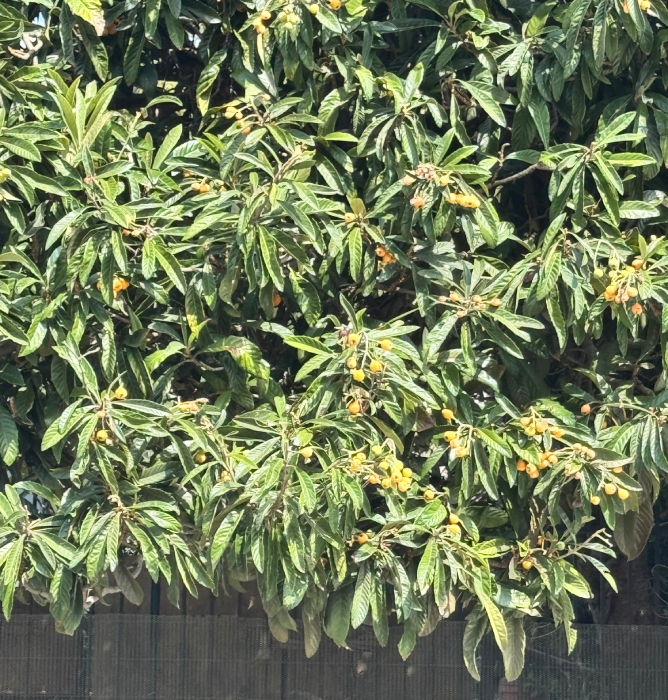
- Loquat. One of the first fruits to ripen each year is the loquat. These small golden fruits begin appearing in early spring and are common in older Los Angeles neighborhoods. Originally planted as ornamental trees, loquats often produce more fruit than anyone knows what to do with. Their flavor sits somewhere between apricot and citrus, making them perfect for jams, syrups, or simply eating fresh from the tree. Look for glossy, deeply veined leaves and clusters of small, golden-orange fruit.
- Nasturtium. Nasturtiums (Tropaeolum majus) grow everywhere in Los Angeles. They’re planted in gardens but often escape across sidewalks and grow along park edges. Both the leaves and flowers are edible, with a bright peppery flavor similar to arugula. Spot these by looking out for their round, lily pad-like leaves and bright-orange, yellow, or red flowers.
- Wild fennel. Wild fennel (Foeniculum vulgare) is one of the most aromatic plants in the city. You’ll find it along trails and hillsides throughout Los Angeles. The feathery fronds smell strongly of anise and are wonderful in seafood dishes, salads, or herb sauces. Look for tall, feathery fronds that smell strongly of licorice or anise when crushed.
- Wild mustard. If you’ve driven past a hillside glowing yellow in March, you’ve seen wild mustard (Sinapis arvensis). The young leaves are edible and slightly peppery. They can be sautéed like kale or mixed into salads. The flowers themselves are edible as well and add a bright flavor to dishes. Identify these by their 3-foot tall stems, bright-yellow, four-petaled flowers, and irregular leaves.
Look for Older Neighborhoods
While edible plants appear throughout Los Angeles, certain neighborhoods seem especially rich with fruit trees.
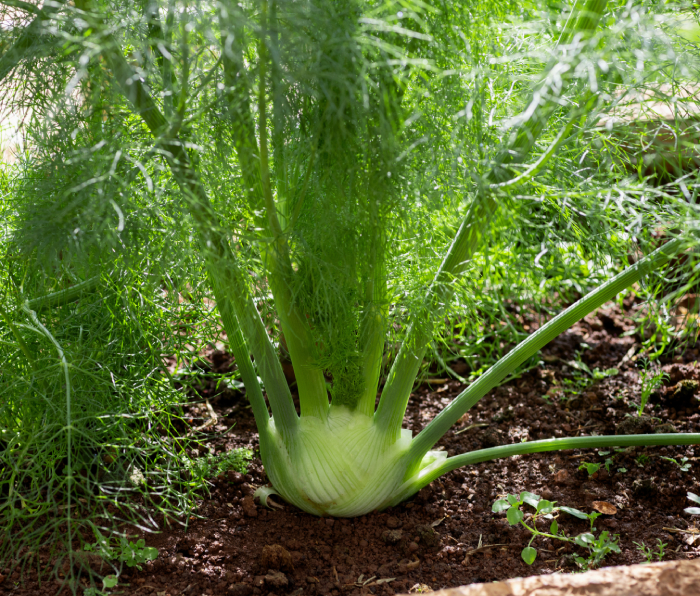
Northeast Los Angeles, including Highland Park and Eagle Rock, has many older homes with mature citrus and loquat trees. Nearby, Pasadena and the Altadena neighborhood often feature large yards with decades-old fruit plantings. Echo Park and Silver Lake hillsides are dotted with avocados and citrus. Trail edges around Griffith Park frequently host wild fennel and mustard greens (Brassica juncea).
If you’ve gathered a few neighborhood lemons or oranges, one of the easiest things to make is marmalade. Slice the citrus thin, simmer it gently with water until the peels soften, and then add sugar and continue cooking until it thickens into a bright, fragrant jam.
Wild greens can be treated even more simply. Toss mustard greens or chickweed with olive oil, citrus segments, and toasted almonds for a quick spring salad.
These dishes don’t need to be complicated. The pleasure comes from knowing exactly where the ingredients came from.
Changed by Curiosity
Once you begin noticing fruit trees, you’ll start seeing them everywhere. What once looked like ordinary landscaping suddenly reveals itself as food. A lemon tree turns into a source of marmalade. A patch of fennel becomes the beginning of dinner. With a little curiosity, Los Angeles begins to feel less like a grid of streets and more like a living orchard. That shift in perspective is what keeps many people coming back to urban gleaning year after year. Because once you learn to see what’s edible in the City of Angels, it’s hard to unsee it.
Jordan Grieg grew up in California’s Ojai Valley with one foot in the garden and the other in the kitchen. He now tends an urban homestead in Historic Filipinotown in Los Angeles with his wife, dogs, and cats. There, he grows vegetables, cooks daily, and continues exploring and teaching practical ways to connect kitchens, gardens, and sustainability.
Originally published in May 2026 and regularly vetted for accuracy.





