Since 1984, when we started publishing our gardening
newsletter, Hort-Ideas, we’ve watched many new
horticultural developments take root and grow (or wither
away). Some of these are turning into definite trends
that–for better or for worse–will most likely
influence your gardening in the coming years.
The amazing neem! The insecticide of the
future is neem, a biological pesticide derived from a
tropical fruit tree. Its active ingredient, azadirachtin,
has been found to slow or stop the feeding of more than 150
pest insects and mites, including Japanese beetles, aphids,
whiteflies, and thrips. Yet it appears to have little
adverse effect on mammals, adult honeybees, or earthworms.
Because neem acts systemically (translocating throughout
plants after being added to the soil), the EPA currently is
cautious about approving its use. Trend:
Neem may largely replace conventional insecticides in home
and market gardens.
The killer bees are (still) coming. For
years, U.S. officials have been worrying about the
impending–and apparently inevitable–invasion of
South America’s Africanized bees. But the “killer” bees
aren’t all bad. Latin American beekeepers are already
learning how to join what they can’t lick. They use larger
smokers and better protective clothing and locate hives
away from the public. Since the bees are aggressive
foragers that can thrive in areas where traditional
honeybees do not, some countries even have higher honey
yields than before. Trend: Africanized
bees may well form the basis for a new American apiculture.
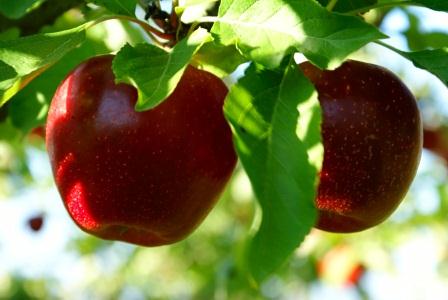
A low-spray apple a day. Thanks to the
dedication and persistence of a few orchardists and
researchers, we know much more about growing apples with
minimal pesticides than we did five years ago. Better
disease-resistant varieties and innovative trapping
techniques are also helping. Trend:
Amateur and commercial low-spray apple growing is here to
stay.
Here come the bug suckers! Oversized
vacuum cleaners for sucking pest insects off crops are now
routinely replacing chemical insecticides on New York,
Massachusetts, and California farms. Smaller vacuum devices
have been developed for use indoors.
Trend: Hand-held “garden vacs” for home
use are likely to appear in the near future.
Booming bio-control. More and more
commercial greenhouse growers are using beneficial insects
to control pests. In turn, supply houses for bio-controls
are springing up from coast to coast.
Trend: Bio-control techniques will become
the rule, rather than the exception, in both commercial and
private greenhouses. Eventually these methods will even be
used in homes and offices with indoor plants.
Mushrooming mushrooms. Interest in growing
unusual types of mushrooms (especially shiitakes) is
burgeoning. There are now a number of companies dedicated
to providing spawn for exotic mushrooms, and there is much
research on highly intensive indoor production techniques.
Trend: Do-it-yourself mushroom growing has
developed into big business!
A few “quick takes”:
Trend: Fabric (“floating”) row covers,
created to extend the growing season, have turned out to be
so effective at screening out insect pests that they’re
becoming almost indispensable for pesticide-free gardening.
Trend: Volunteers in the Master Gardener
program will continue to become more numerous and
proficient, helping budget-strapped Extension Services
provide top-notch aid to home gardeners in more and more
states.
Trend: Sadly, practical, grower-oriented
horticultural research at land-grant universities is being
largely replaced by high-tech, industry-oriented
biotechnology research.
Trend: The discovery that some
temperate-zone plants flourish indoors just as well as the
standby tropical species do has the potential to
“redecorate” homes and offices.
Trend: Now that it’s been shown that
pesticidal mineral oils don’t damage most
ornamental plants when used during the growing season,
these effective insect controls will be enthusiastically
adopted.
Greg and Pat Williams raise most of their food on a
small farm and publish Hort Ideas, an e-newsletter on gardening research and products.