I’d like to introduce the words farmden and farmdener into the
English language. I wonder if there are any other farmdeners out there. And
just what is a farmden? It’s more than a garden, less than a farm. That’s my
definition, but it also could be described as a site with more plants and/or
land than one person can care for sanely. A gardener and garden gone wild, out
of control.
You might sense that I speak from personal experience. I am. My
garden started innocently enough: A 30- by 40-foot patch of vegetables, a few
apple trees, some flowers, and lawn. That was 25 years ago, and in the
intervening period, the lawn has grown smaller, the vegetable garden has
doubled in size, and the fruit plantings have gone over the top.
Originally, I had less than acreage – 72 hundredths of an acre to
be exact. But over the course of 15 years, I did manage to put my fingers onto
almost every square foot of that non-acre. Squeezed into that area were 40
varieties of gooseberries, a dozen varieties of apples, a half dozen varieties
of grapes, red currants, white currants, black currants, raspberries,
mulberries: you get the picture. All that, in addition to my vegetables,
flowers, and some shrubbery. But I was still not a farmdener, and my property
was not a farmden.
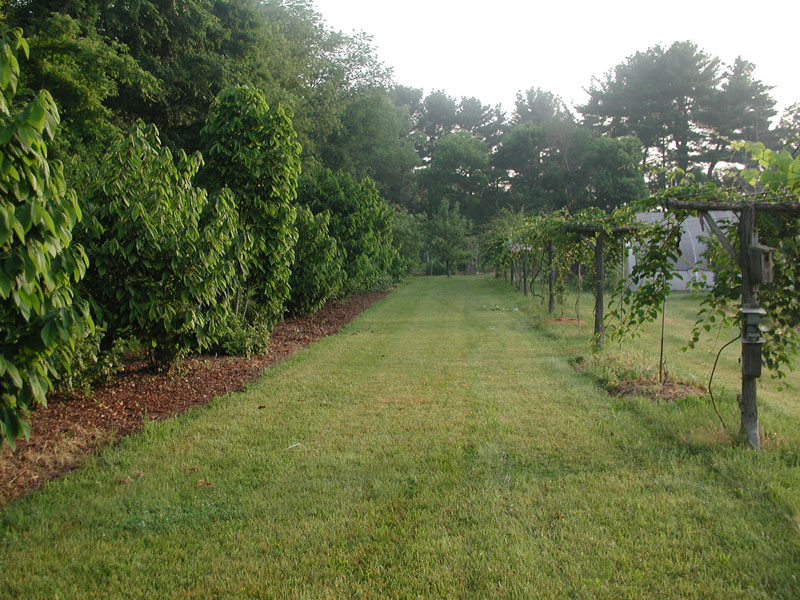
That transition occurred with the purchase of a fertile
acre-and-a-half field bordering the south boundary of my property. With that
purchase, I expanded my plantings, rationalizing that because I write about
gardening for magazines, for Associated Press, and on this blog, I should test
and grow a lot of what I write about. So instead of 2 hardy kiwifruit vines
such as any normal gardener might grow, I planted 20 vines of varying hardy
kiwifruit vines of a few species and varieties. Instead of 2 pawpaw trees, à la
normal gardener, I planted 20 pawpaw trees of varying species and varieties.
And how about another dozen apple trees? And chestnuts, filberts, pine nuts
(Pinus koreansis is hardy here in New York’s Hudson Valley). Again, you get the
picture.

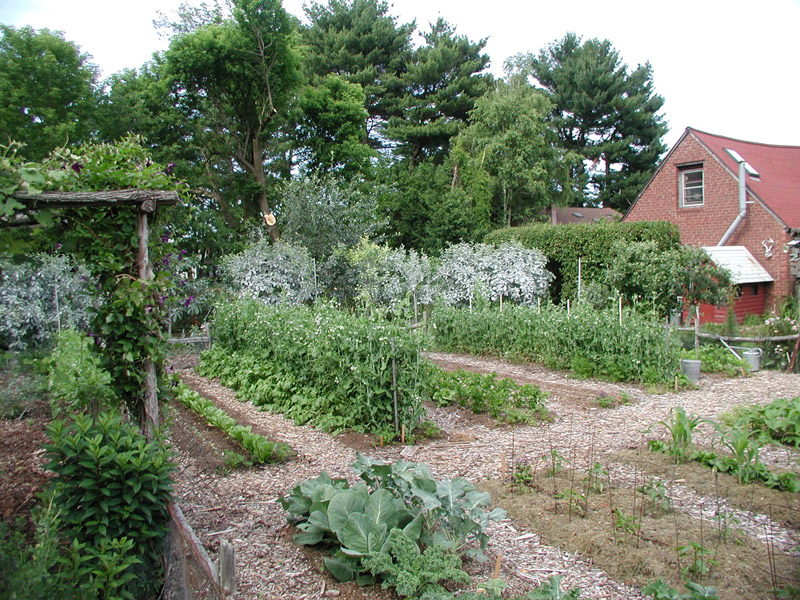
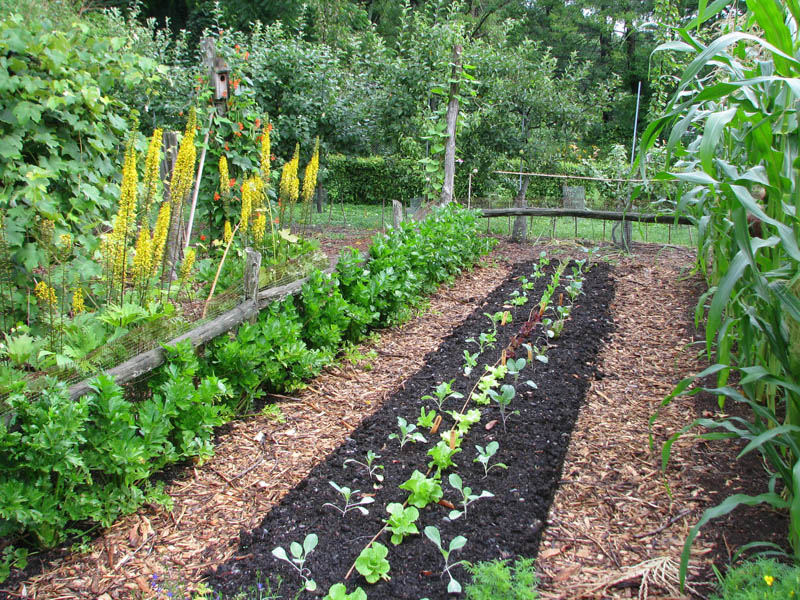
But no, I wasn’t finished. There was always one more plant
needing a home, one more piece of ground hungry for a plant. Why not create
another vegetable garden; after all, I had just gotten married, that made
another mouth to feed, and why buy vegetables when you have enough land to grow
them? And what about winter? A greenhouse full of salad and cooking greens
solved that problem, and provided figs in summer and early and late season
cucumbers. I like crown imperial flowers and learned the quirks of propagating
them – pack pieces of bulb scales in moist potting soil and subject them to a
few months of warm temperatures, then a few weeks of cool temperatures, pot up,
plant out. Soon I had not a crown imperial or two such as you might find in
most gardens, but well over a dozen of them, and more still coming on.
You might imagine that, despite my plantings, my lawn still grew
bigger with that increased acreage. Not so. Most of the acre and a half, except
what was devoted to new plantings, became a hayfield that I mowed and helped
feed my compost pile. A bit of rationality prompted me to graduate from
scything to a small farm tractor for brush hogging that field. (Tennis elbow,
the result of excessive scything, also helped with that decision.)
What I now had – and have – is a farmden. And I am a farmdener. A
farmden is not something from which you can earn a living, although I have sold
some excess pawpaws, Szukis American persimmons, and hardy kiwifruits, mostly
for test marketing in my efforts to see whether these fruits are worth
promoting for small farms. And my farmden is a great venue for workshops, as
long as I point out that participants should pay attention to my plants, not
the number of them, because my property is obviously the handiwork of a crazed
gardener (or a sane farmdener?). “Don’t try this at home,” I tell participants
right off the bat.

I do occasionally still garden. Right next to my terrace is a bed
with tree peonies, potentiillas, clove currants, and Signet marigolds, all
well-contained by the bricks of the terrace on one side and a low, moss-covered
hypertufa wall on the other side. The bed is close to the house and the bed is
small. Yesterday I noticed weeds starting to overstep their limit in the bed. I
crouched down, started at one side of the bed, and gave it a thorough weeding,
literally getting my hands on every square inch of soil. It was fun and it was
quick.
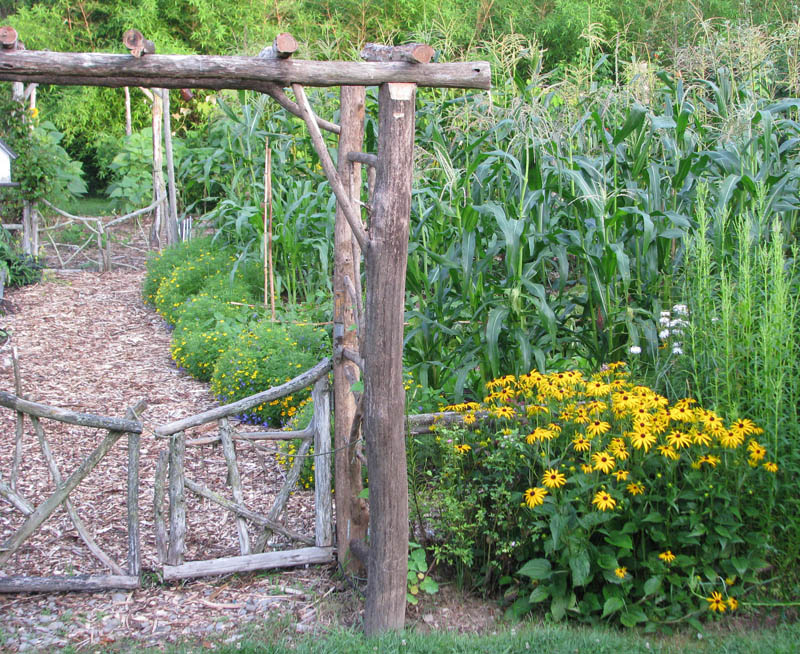
Most of my time, though, is spent farmdening. It’s very
satisfying, even if it does get crazy sometimes, and it yields a cornucopia of
very tasty and healthful fruits and vegetables, much of them planted with an
eye to beauty as well as function. I have vowed not to plant anything more in
the hayfield, in large part because it’s so pretty, the soft violet hue from
midsummer’s monarda flowers grading over into a golden glow from late summer’s
goldenrods. I also promised my daughter, when she was young and enthralled with
Laura Ingalls Wilder, that we would leave most of the field as “prairie.” (At
25, my daughter no longer yearns for prairies, but I’m keeping my promise
anyway.)
I have taken some of the edge off the transition from
gardening to farmdening with some help here on the farmden from an occasional
volunteer and hired neighbor. Still, I am planning to keep the “den” in farmden.