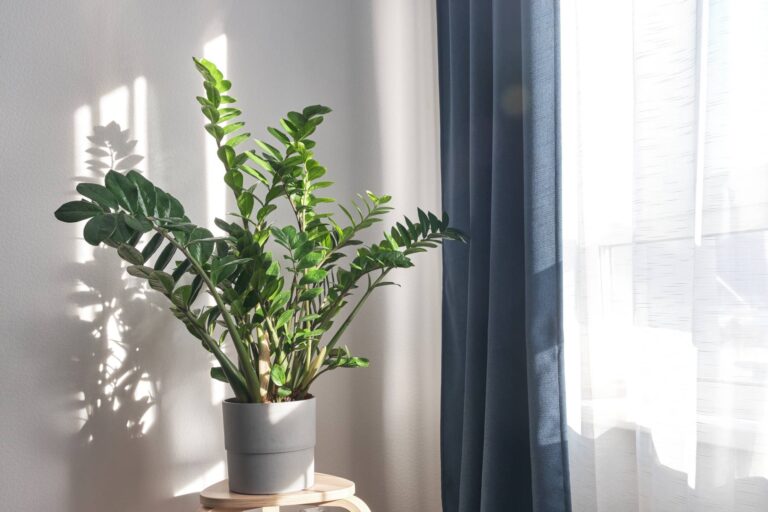
A garden doesn’t have to be outside on a large piece of property to be considered a garden. In fact, I’d argue a garden can be a collection of cared-for and compatible houseplants strategically placed across the home for enjoyment, design, and function. Maybe you can’t garden outside; maybe you don’t have a porch, patio, or driveway for containers; maybe all you have to work with is a few spots in your home. While that may not yield you baskets of crops, you can still transform those areas into enjoyable indoor grow spaces. Explore these tips for growing plants indoors.
- You may need to experiment which houseplants work the best in your space, depending on environmental conditions, the plants’ needs, how much space you have, and where you’d like to place them.
- Even if they’re low-maintenance, observe your houseplants, take note of how they’re doing, and adjust care when needed, just like in any other garden.
- Try growing herbs, vegetables, or even mushrooms indoors if you want to harvest something from your indoor garden.
- When you find a space that works for your plant, have fun creating a thoughtful design with them!
- Take your time. Houseplants are an investment and deserve some thoughtful planning – both for the sake of the plants themselves and your time and resources.
If you’re ready to jump into the joys of houseplants, use these tips and my own experiences as a starting point for your own explorations.
First, do some research and decide on the best compatible houseplants for your space. Think about why you want them. Do you want to grow something to harvest? Do you want some pops of color in a room? Do you want to try and freshen up the atmosphere – and even the air quality? There’s a houseplant to match your vision.

Additionally, take stock of the types of conditions in your home. Where’s the natural light coming from, and for how long? What temperature zone does your home typically sit at? How humid or dry is your space? Take note of these factors in addition to your wants as a gardener to find a good plant match. Sometimes, this search takes a little time to find the right fit. For example, I attempted to grow a bushy rosemary plant in my apartment a few years ago. However, direct sunlight came through my window for perhaps three hours of the day, too little for rosemary. Plus, it was the middle of winter, and I didn’t have the best-sealed window, so not only did the rosemary not get enough sunlight, it also got hit with cold air. It didn’t survive more than a few weeks. Sometimes, you can create the right environment for a plant, such as using a grow light, but your space and resources may be limited; in which case, you may need to consider another plant.
Even if you find low-maintenance compatible houseplants that work for your home, such as philodendrons or ZZ plants, observe how they’re doing, just like a gardener would with their crops outdoors. Consider making a houseplant journal to note your plants’ behavior across the seasons. You may be able to optimize their placements even more. I kept a slow-growing ZZ plant in the corner of my office for a while, away from essentially any sunlight, and it stayed with me. However, when I moved it to a place that received several hours of direct light, it shot up two healthy new shoots! That’s its new home now.
Learn more about developing a garden log in Journal Your Garden Progress to be a Better Gardener.
Maybe you want to grow something that’ll yield you a little harvest – which can be done indoors. Consider some easy-growing herbs, such as mint. This past season, I grew some spearmint inside, harvested some leaves, dried them out in a closet, and enjoyed some fresh mint tea in winter. But you could also grow small pepper plants or cultivate mushrooms. These aren’t the traditional houseplants, but they’re still a fun indoor garden option.

When you’ve chosen your plants and their placements, have fun incorporating them into the space so you can enjoy them all the more. Wind long philodendron vines up a wall. Keep an air plant on your desk for decoration. Hang a cascading string of pearls from a high bookshelf. The artistic possibilities are endless.
Finally, take your time and appreciate the process. Houseplants can be expensive, and you don’t want to constantly buy new ones if you can help it. Understand the growing environment you’re working with first before investing in any plant. And once you buy a plant, give it the care it deserves. That way, your chances of keeping a thriving houseplant will be much higher, and it won’t burn a hole in your wallet.
Dive deeper into houseplant planning and care in our podcast episode Where to Put House Plants So They Thrive.
Houseplants aren’t just dust collectors. They can be beautiful, functioning pieces to your home – an indoor garden! Do some research, do some dreaming, and have fun creating a collection of compatible houseplants you’ll enjoy for years to come.