You love living close to Mother Earth, digging in the dirt, hand making gifts, building your own structures. So, short of chucking it all in, how do you cope when long-term illness or a chronic health condition, even just aging, becomes a factor? Neither traditional nor modern homesteaders want to throw in the towel. And it’s hard to ask for help–assuming help is even available. What’s a person to do?
Our family has had to face both age an illness on the homestead, so we’ve been thinking about options for when we can no longer do what we love, at least the way we used to do them. Here are some ideas we’ve come up with.
Reassess and Prioritize
Now that you’re older, perhaps some of the tasks on your long To Do list aren’t as critical as they once were. If you have to make a lifestyle change, which jobs could you scratch off, or at least modify? Yes, you need a leak-proof roof, but perhaps that new greenhouse isn’t really a necessity. Or maybe you don’t need so much acreage, farmland, or garden space at this point in your life. Is it time to consider going small?

Once you’re whittled down your list, take a second look. Which tasks are most pressing and which can stand to wait awhile? Which ones are wants rather than needs. Needs go to the top of the list.
While you’re at at, consider this. There is always too much work to do, and we tend to focus on all that lies in front of us. It can get depressing, especially if you’ve recently found yourself unable to keep the pace you’re used to. Instead, take a look around you–and behind you. Think of all the things you have accomplished, all the goals you’ve met, the things you’ve done that you or others once thought impossible. Realizing all the great things you have achieved may make it possible to go easier on yourself now.
Adapt and Compensate
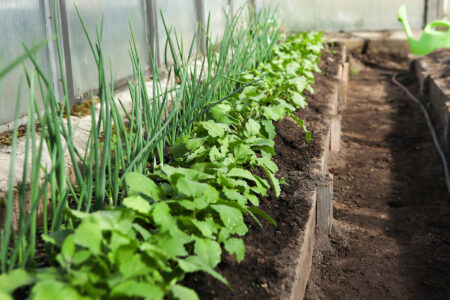
Look for new ways to achieve your homesteading goals. Love gardening, but back, hip, or knee problems keep you from bending or kneeling? Consider making, buying, or asking someone to build some elevated beds. Container gardening on a deck or anywhere near the back door simplifies gardening chores, too.

Look for ways to do less. Instead of an exhausting all-day canning spree, preserve food in smaller, more manageable batches. If you have animals, maybe it’s time to downsize, if not eliminate, that aspect of your homestead.
Where you can’t reduce your workload, look for efficiencies. It might mean finding some tools to help you do what you used to do by hand, a log splitter for instance.
One thing old bones don’t need is to fall. Make time to be sure your garden paths and other work areas are free of rocks, hose lines, or other objects which might contribute to a fall. Add grab bars, not just to your bathroom, but anywhere a balancing aid might help you accomplish your goals.
Take It Slow and Steady
Sometimes, it’s more about loss of stamina and endurance than total inability. Rethink how you go about your chores. Take breaks. Make it easier still by installing some sort of seating near your work stations. Use that time to plan, meditate, or simply enjoy seeing the fruits of your labor.
This is a good time to rehydrate, too. Dehydration diminishes both your mental and physical ability to perform, so keep a supply of drinking water at hand. After a bit of rest and contemplation, perhaps you’ll be re-energized enough for the next chore.
Farm It Out
If you just can’t do it yourself anymore, but you have a great gardening space, contact your local extension service, the sustainability department of a nearby college, or a food pantry. Perhaps you can arrange a deal where students, interns, or others maintain your garden, giving you a share of the harvest.
You may well have something to barter for services you can no longer perform with ease. It might be garden bounty or firewood. Do you have a child or grandchild who would trade chores for sewing or knitting lessons? Can you offer living quarters in exchange for labor? That would be a perfect deal for the right college student.
A neighbor teen might appreciate a mowing or window washing job. If there’s a college nearby, there’s probably a student employment office where you could place an ad for a part-time handyperson. It will cost less than hiring a seasoned professional.
Use Homesteading Skills in a New Way
Yes, there are things we lose with age, but we gain a lot, too, most notably experience and wisdom. Even if you can’t do the physical work anymore, you can use all you’ve learned over the years to help others. Consider teaching, writing a book or blog, or hosting hands-on workshops.
Perhaps you could organize new versions of the old-fashioned quilting bee or barn raising, calling on friends to join you for an assembly-line style workday, whether it’s making holiday gifts or cleaning up your property. You do the chores that fit your ability level and let others handle the more physically demanding work. Next time, they’ll host and you can return the favor–again at your ability level. The added bonus of social interaction is always a plus for mental health.
It’s not easy to face the challenges of age or illness, but sometimes circumstances force us to take stock. What matters most to you at this stage of life? What can you afford? What can you forgo without too much grief? When you are able to focus on what you can do and not the things that are no longer possible, the future holds new hope and possibilities.
Carole Coates is a gardener and food preservationist, family archivist, essayist, poet, photographer, modern homesteader. You can also find Carole at Living On the Diagonal, where she shares her take on life, including modern homesteading, food preparation and preservation, travel, as well as random thoughts and reflections, personal essays, poetry, and photography.
All MOTHER EARTH NEWS community bloggers have agreed to follow our Blogging Guidelines, and they are responsible for the accuracy of their posts. To learn more about the author of this post, click on their byline link at the top of the page.