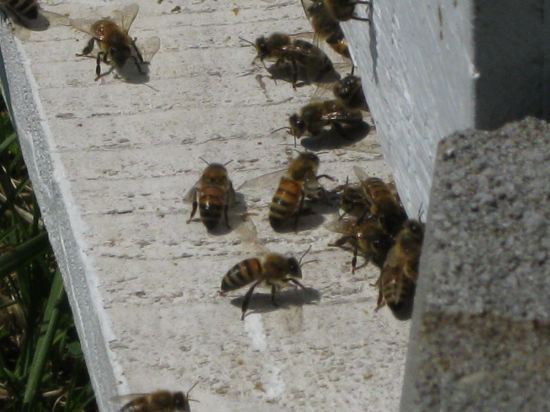
Beekeeping is about weather watching. On February 18th, the Sandhill cranes flew over my middle Tennessee home on their migration north, the mercury on the front porch hit 68 degrees, and the honeybees broke their cluster, flying and madly about the farm.
Assessing Beehives
By the next day, the bees were bringing in light tan pollen. The weather service predicted a few warm days before winter returned. This was the break in the weather that I had been waiting for. Our spring bloom is still 2 months away, but this was a great opportunity to check on the bees. I had not opened a hive since last fall, when I’d inspected and prepared them for winter. (See “End-of-Summer Hive Inspection” at PersimmonRidgeHoneyFarm.com.)
On the first day of the warmup, I visited my 3 apiaries and each of their hives. I was careful not disturb the brood chambers, where the bees cluster in cold weather and where the queen was beginning to lay brood, but I did manipulate the boxes. It has been my habit to run 2 deep chambers topped by 1 shallow super of honey all year. In all but one hive, I found that the bees had moved up into the 2nd deep brood chamber.
I momentarily set asked the top shallow super of honey while I reversed the 2 deep chambers, so that the bees would have room to expand upward this spring. One hive had bees in both chambers, so I did not reverse this hive. Doing so would have split the cluster area and any brood that the queen had laid. If temperatures dip quickly as they are likely to this time of year, the brood would be susceptible to chilling.
I was happy to see the late winter vigor of most of the hives. I did find one dead hive in each apiary, but I was not surprised. Last year was a bad year for me and for most everyone else in beekeeping. These hives had never completely recovered and had not produced any honey in 2013. In each of them, I found only a fistful of bees, their heads stuck inside empty honey cells. The cluster had been too small to survive the winter, and nearby, stronger hives had robbed them out on warm days. The few remaining bees had starved and frozen. I could tell they’d been robbed out by the massive amount of chewed up wax discarded on the bottom boards. When the bees in a hive eat their own honey, they do it neatly and systematically. When a hive is robbed, the robbers tear the wax away, leaving ragged edges and chewed-up litter behind.
Two other hives that had been so-so in the fall were doing quite well but were low on honey stores. I doubted they’d make it the 2 months until the nectar flow began without starving. Fortunately, I had partial frames of honey in the freezer that I’d stored in the fall. I would thaw and add a couple to each hive the the next day. If I hadn’t had these frozen frames, I could have traded a few empty frames with full ones from nearby hives, as these were still stocked well with capped honey.
Prevent Swarming with ‘Checkerboarding’
Finally, I performed a manipulation called “checkerboarding” that I’ve been experimenting with the past few years. The gist of the whole thing is to prevent swarming later in the season by breaking up the honey dome above the brood chamber and thus giving the bees room to expand upward. It also is supposed to increase honey yields. The idea is espoused by Walt Wright and a full explanation can be found by searching him or by searching “checkerboarding” at BeeSource.com.
In my setup, the honey dome is in that top shallow super of honey. In most of the hives, this super was mostly still full. After I’d reversed the deep chambers, I returned this super to its place on top of the hive but removed every other frame of honey. I refilled these slots with empty drawn comb. Above this, I added a second super of drawn comb interspersed with the frames of honey that I’d removed from the first super–in a checkerboard pattern. The key to this is having the drawn comb. When I was finished, each hive had 2 deep chambers topped by two shallow supers.
This is the 3rd year that I’ve performed this manipulation, and with my healthy, survivor hives, I’ve had very good results so far: hardly any swarming and much greater honey yields. Let me say though that this is a controversial topic and that I have not had enough experience with it yet to wholeheartedly recommend it. But so far, my results are very promising.
I also love this method because I’m a lazy beekeeper. I won’t have to go through my hives and cut out queen cells in an effort to prevent swarming later–usually to no avail anyway, and I won’t have to manipulate the boxes again until next year. All I have to do now is wait for the spring bloom to begin and add supers for the bees to fill with honey!
On the second day of the warmup, I observed the bees bringing in tan-yellow pollen. Probably elm and/or maple pollen. It’s amazing how quickly nature springs to life when the chill is gone even for a day! The appearance of pollen coming into the hives is a good sign that the queen has begun spring brood laying. The workers gather pollen as protein to feed the larvae. According to Mr. Wright, this is perfect time for checkerboarding. I’ve found a great site to stay informed about what plants are producing pollen. It’s really for allergy sufferers, but I think it’s a great resource for beekeepers as well: www.pollen.com. You can type in your zip code and get a list of what plants are currently producing pollen in your area.
These late winter hive manipulations done, I will go back to my weather watching. I will be waiting for signs that the nectar flow has begun. In middle Tennessee that occurs sometime in April. After that, I hope to watch the bees fill super after super with honey! Yes, beekeeping is about weather watching, but it is also about hope!