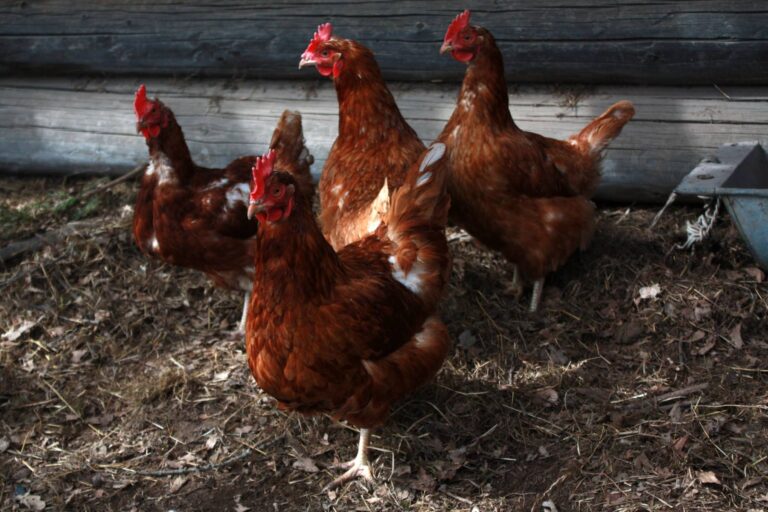
Utilize the deep litter method for coop bedding to keep chickens happy and healthy while keeping maintenance easy. This deep litter system is one of the most effective ways to manage chicken coop litter naturally.
Do I have to clean out my chicken coop every week? I’ve heard about the deep litter method for chickens and the chicken coop deep litter method for raising chickens. What is the deep litter method for chicken coops, and how does it actually work?
It’s a neat, almost-forgotten way to manage a small flock using the deep litter method chicken coop approach! Instead of scooping out and replacing chicken coop litter frequently, you allow the manure and bedding material to accumulate and decompose inside the coop. As in compost, beneficial microbes actually help control pathogens, so chickens are less susceptible to diseases. If you manage the deep litter system properly, your chickens will have a dry, fluffy and absorbent floor to enjoy, and you will have a happier, healthier flock with less maintenance. Plus, by fall or early spring, your garden will have a nice supply of nutrient-rich compost.

How to Use the Deep Litter Method
Here’s the deep litter method for chickens in an eggshell: Start by spreading a 3- to 4-inch layer of clean chicken coop litter on the floor of the coop. Dry grass clippings or leaves, straw, or wood shavings all work well for a chicken coop deep litter method setup. About once a week, as the manure accumulates (mostly under the roost), toss on another thin layer of litter. Add a handful of scratch grains or food scraps daily, and your chickens will stir the litter for you, incorporating oxygen to aid decomposition in this deep litter system. If you see any caked litter, use a rake or fork to help break up the clumps and redistribute the moisture. Keep the coop ventilated, even in winter. You should not notice any odor of ammonia. If you do, add more litter. To increase absorption, add some clay.
Over the course of a year, the litter will become 8 to 12 inches deep when following the deep litter method chicken coop technique. Fall or early spring is a good time to clean out the coop — but don’t remove all of the litter, especially when using the chicken coop deep litter method, advises poultry expert Harvey Ussery in The Small-Scale Poultry Flock. Leave a base layer in place to inoculate new material with the established beneficial microbes. If the manure-litter compost you remove is thoroughly decomposed and odorless, you can work it directly into garden beds. If some of the fresher manure hasn’t thoroughly decomposed, simply add it to another compost pile.
While most commonly used for chickens, the deep litter method for ducks can also be adapted with proper moisture control and ventilation adjustments.
Vicki Mattern is a contributing editor for MOTHER EARTH NEWS magazine, book editor and freelance magazine writer. She has edited or co-authored seven books on gardening, and lives and works from her home in northwestern Montana.
Frequently Asked Questions
What is the deep litter method for chicken coops?
The deep litter method for chicken coops is a natural bedding system where organic materials like straw or wood shavings are layered over time and allowed to decompose. This creates beneficial microbes that break down waste, reduce odors, and improve coop hygiene while producing compost.
How does the deep litter method for chickens work?
The deep litter method for chickens works by layering bedding material over manure instead of removing it. Chickens naturally turn the material, allowing oxygen to support decomposition, which reduces harmful bacteria and creates a composting effect inside the coop.
Is the deep litter method safe for chickens?
Yes, the deep litter method is safe when managed properly. It promotes beneficial bacteria that suppress pathogens, keeps the coop dry, and reduces ammonia buildup, ensuring a healthier environment for chickens.
Can I use the deep litter method in a small coop?
Yes, the deep litter method in small coop setups works well if ventilation is maintained and litter is regularly managed. Proper layering and airflow are essential to prevent moisture buildup and odors.
How often should I clean a deep litter method chicken coop?
With the deep litter method chicken coop system, a full clean-out is typically needed only once or twice a year. Instead of removing bedding weekly, you add fresh layers regularly and maintain proper conditions.
What materials are best for the deep litter method?
Common materials for the deep litter method chickens setup include straw, dry leaves, wood shavings, and grass clippings. These materials absorb moisture and decompose effectively.
Does the deep litter method smell bad?
No, when properly maintained, the deep litter method should not smell. A strong ammonia odor indicates poor ventilation or insufficient dry bedding, which should be corrected immediately.
Can I use compost from the deep litter method in my garden?
Yes, compost produced from the deep litter method for chickens can be used in garden beds once fully decomposed. It is rich in nutrients and improves soil health naturally. Chicken litter compost must sit for 120 without the addition of any extra manure before it can be used.