

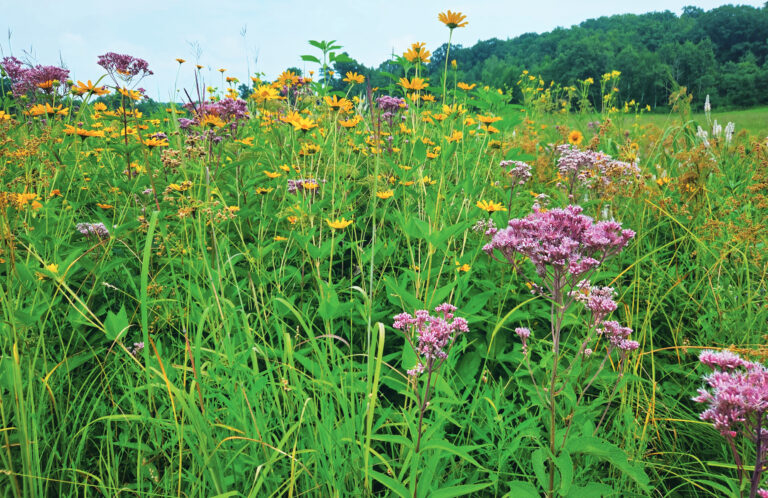
Land stewards share their wisdom on Iowa prairie restoration techniques, including the use of high-quality seed mixes, the grass-to-forb ratio, mowing, and prescribed burns.
We care for what we love, and thousands of enthusiasts love the prairie, the ecosystem with diverse grasses and forbs (non-woody flowering plants) that once covered the middle of North America. The prairie’s long, dense roots created the astoundingly rich soils of the Corn Belt, which led to the almost total destruction of this iconic landscape.
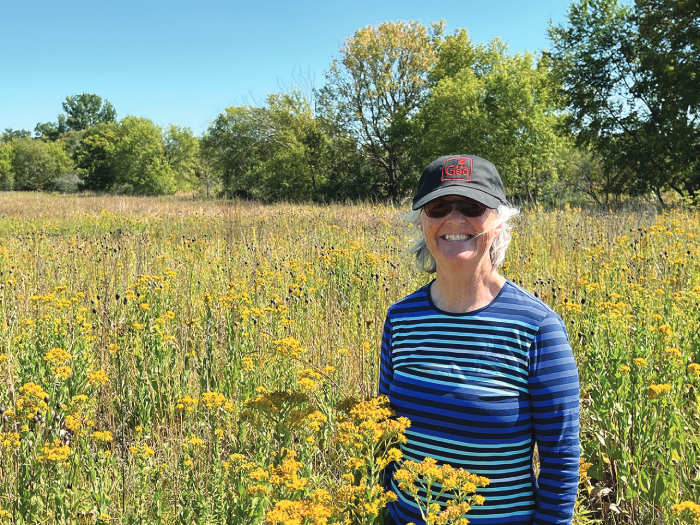
Some folks, such as Jackie Armstrong in northern Iowa, are doing their best to steward the prairie’s return. “After first learning about the lost landscape of the tallgrass prairie, I wanted to re-create some of that rich ecosystem on our land – for beauty and for fun,” Armstrong says. “Since I learned more about habitat, water filtration, and soils, I now restore prairie because it contributes significantly to the health of my community, which includes my human, wildlife, and plant neighbors.”
Prairie History
Alanna Koshollek, who stewards land in western Wisconsin, has similar motivations. “We felt this area historically would’ve been prairie from evidence of the plants in local ditches, roadsides, and unfarmed open lands. Our slopes and soils have the potential to be highly erodible if not in permanent cover. In addition, we felt prairie restoration would add beauty, creativity, and new habitat for wildlife to our land.” In this time of rapid climate change, the prairie also has much to teach us about resilience, as a diverse, established prairie will thrive in the weather whiplash we’re experiencing – the drought followed by intense rainfalls, the sudden shifts from heat to cold.
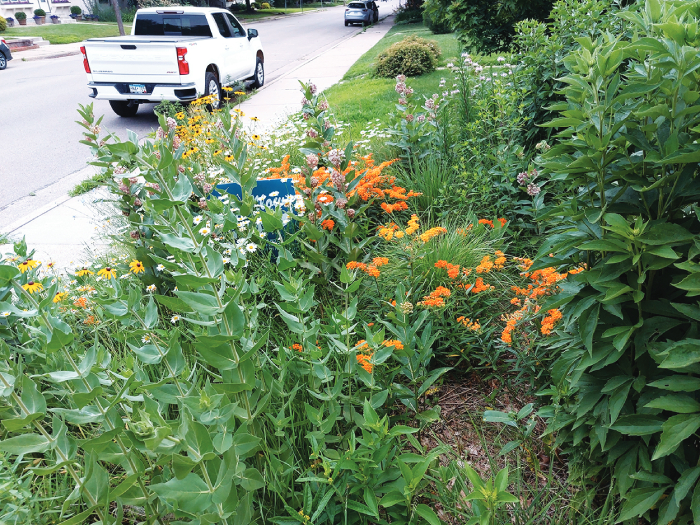
I have a small prairie restoration in my front yard in Minneapolis, roughly 8 by 12 feet. If you live where prairie ecosystems once thrived, you, too, should consider planting prairie plants. We need native plants in urban and suburban areas too! Even one native milkweed provides habitat for our dwindling monarch butterflies, and one little bluestem is a delight to watch blowing in the wind. While the lawns in my neighborhood turn brown in the heat, my pocket prairie thrives in drought, and it thrives in excessive periods of moisture too. It holds the rain where it falls, reducing runoff and erosion, and provides the neighborhood a sensory treat teeming with color and life. I love to watch pollinators buzzing around my prairie in summer and all the birds resting on the flower stems before visiting our bird feeder in winter.
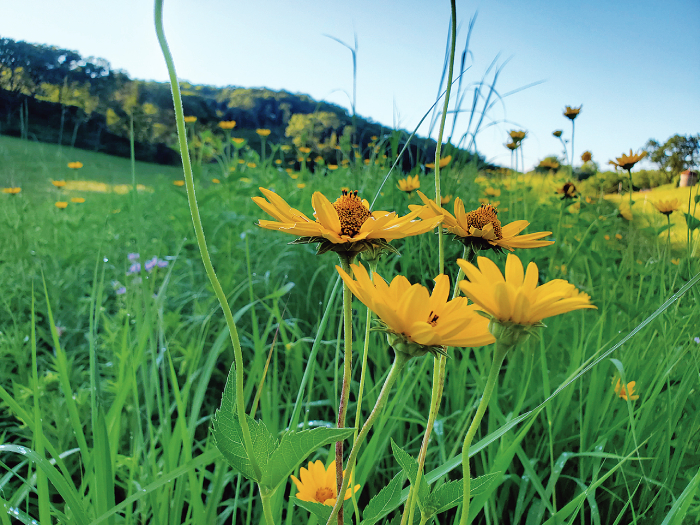
My passion for the prairie led me to converse with people from the Climate Land Leaders Initiative, including Armstrong and Koshollek. Whether you want to establish an explosion of native grasses and forbs on your urban yard or on significant acreage in the country, these prairie lovers offer the following advice.
Look to the Helpers
Pat Collins, who stewards land in eastern Minnesota, recommends first reading Paul Gruchow’s work so you understand your “why” for restoring prairie. Gruchow wrote a wonderful essay on “What the Prairie Teaches Us,” including the value of diversity, community, adaptation, and more. As Gruchow wrote, the prairie “is lovely too, in a hundred thousand ways and in a million details, many of them so finely wrought that one must drop to one’s knees to appreciate them.”
Collins recommends The Gardener’s Guide to Prairie Plants by Neil Diboll and Hilary Cox, which will help you appreciate your plants. He also suggests visiting existing prairies and “immersing yourself in that sea so that you know what plants you want to have and learn which plants want to take over a bit.”
Conservation groups, such as prairie networks and nature centers, can help you avoid mistakes, and they’ll celebrate your successes. Technical expertise – and sometimes equipment – is available at soil and water conservation districts, the U.S. Department of Agriculture (USDA) offices, and elsewhere. Collins wishes he’d first found a mentor to guide his prairie-restoration efforts. “Someone who’s done this before can reassure you when you’re in doubt about progress or timing of plantings, mowings, and just general issues.”
Don’t Rush to Plant
It’s tempting to buy some showy prairie flowers or seed packets from the local greenhouse and just get going on your project. But Koshollek in Wisconsin recommends taking “the extra year or two of planning to prepare the site with whatever method feels best for you and the land.” Be clear on your goals: Do you want a more tended “garden” look or a true prairie restoration, which will look shaggier but is better for pollinators and other wildlife? Is the site currently in row crops? Pasture? Lawn? Is it wetter low ground or dry hillside? Where will you get the necessary equipment and seed? The Tallgrass Prairie Center has excellent resources to help you get started answering these questions and more.
Armstrong from northern Iowa learned the hard way. “I wish I’d known more about soil preparation. My first prairie on disturbed land that hadn’t been farmed has triggered a long battle with invasive species. If one is constructing a prairie on former cropland, the soil is likely sterile, and it’s easier to establish native plants without significant weed competition. If the site isn’t former cropland, the preparation of the site by eradicating invasive species is critical.”
Think Local and Varied
Local ecotype seed – seed that originated in your area and therefore is adapted to your specific environment – is important. (How local depends on whom you talk to.) The balance of grasses and forbs is also important. Says Liz Garst, of west-central Iowa, “In the early days of prairie plantings, we had only three grasses and five forbs in the mix. The mix would be 60 to 80 percent grasses and 20 to 40 percent forbs. Now, I use 80 percent forbs and 20 percent grasses in my prairie restorations. If you have too high a percentage of grass, it will take over eventually, and you don’t want to give it a head start.”
Purchasing a highly diverse seed mix is expensive, but Garst says you’ll save on maintenance costs later, and “at least some of that extra expense is offset by the fact that you’ll fill every ecological niche in that prairie with different forbs, leaving no room for invasives.” With species blooming throughout the growing season, you’ll ensure that you have a continuous supply of nectar and pollen for pollinators from early spring until late fall.
Programs that may help you pay for your prairie restoration include the USDA Conservation Reserve Program (CRP), which provides rental income for you if you set aside land as prairie, as well as the Environmental Quality Incentives Program, which shares the cost of planting prairie. State programs and nonprofits can provide support as well. All of these programs come with restrictions and paperwork.
Prairie Plants Are Just the Beginning
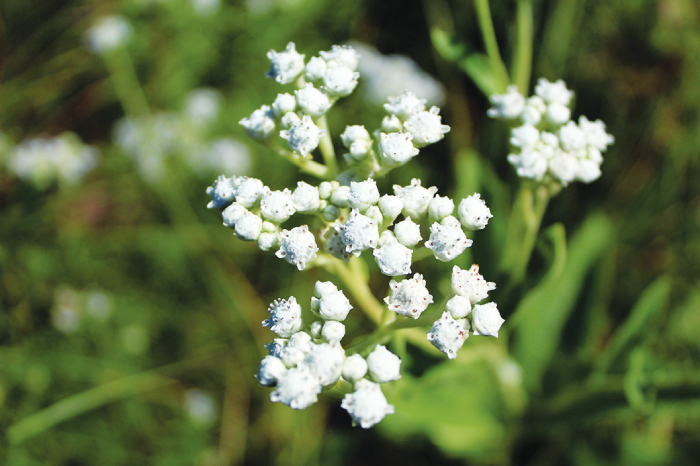
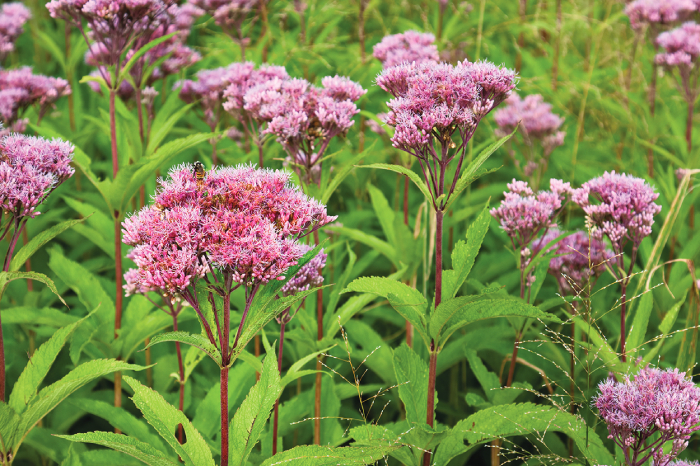
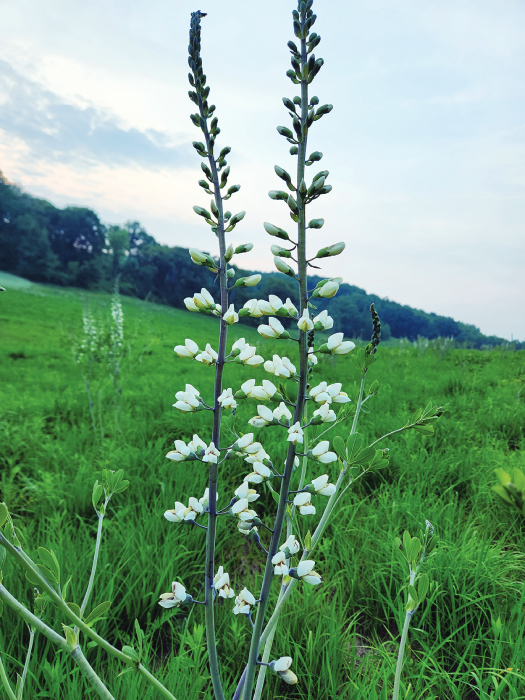
Dreaming and scheming and planting are fun. Maintenance is less so, but critical. Your prairie will need to be mowed many times during the early years, because native seedlings are small and have a lot of competition from tall, dense weeds. “We continue to mow the prairie a couple of times per year to keep any unwanted plants from producing seed,” Collins from Minnesota says. “We mow at about 6 inches and did it twice last year. We also grow little bluestem [Schizachyrium scoparium], sideoats grama [Bouteloua curtipendula], and switchgrass [Panicum virgatum] from seed, and plant the plugs wherever needed. We’re introducing some yellow prairie grass [Sorghastrum nutans] and big bluestem [Andropogon gerardi], as well as goldenrod [Solidago speciosa], Joe Pye weed [Eutrochium purpureum], bee balm [Monarda didyma], and wild quinine [Parthenium integrifolium].”
A prescribed burn by a qualified resource professional (or get trained yourself) in the third year and beyond will help your prairie flourish. Koshollek shares, “Prescribed fire offers a variety of benefits to prairies and other ecosystems, including recycling nutrients held in the thatch back into the soil, increasing sunlight reaching the ground, and warming the soil, all of which help stimulate warm-season grasses and native forbs. Fire can also be used to top-kill cool-season grasses competing for space with prairie plants, set back succession of woody species, and create a mosaic of habitat features when areas of refugia are left within and adjacent to the burn unit, benefiting wildlife.
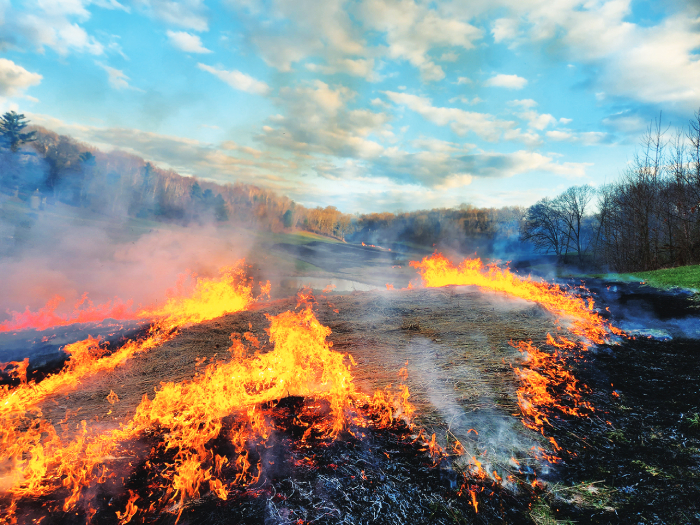
“We’re always thinking about our next burn and maintaining firebreaks for that,” says Koshollek. “We plan our walking trails to be in the firebreaks so they serve dual purposes. We’re in the CRP, so we’re more limited on what we can do and when we can do it. If we weren’t in the program, we’d be experimenting with fire at different times of the year and different intervals to see if we could maximize diversity and support more wildlife.” However, not all prairie plantings need to be burned, so don’t let that step stop you from planting, Koshollek points out. “Mowing is a great alternative where safety concerns, resources, or training don’t allow for burning.”
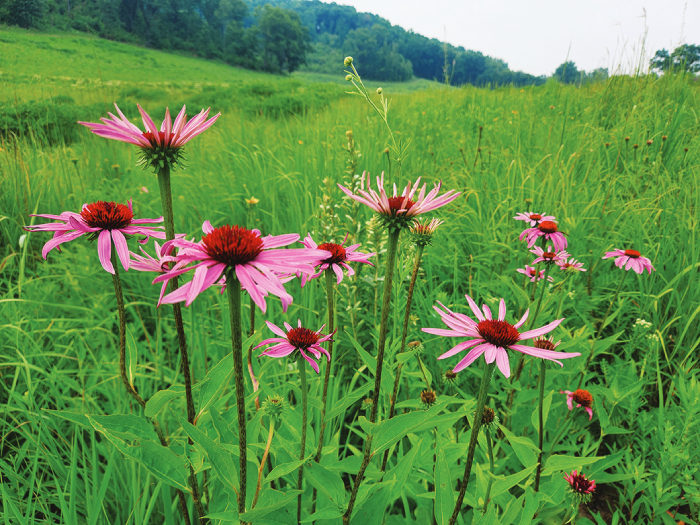
From wild parsnip (Pastinaca sativa) to sweet clover (Melilotus officinalis), invasive species are the bane of most prairie restorationists. Early weed management, especially hand-pulling weeds before they put on seed heads, is important. Hand-pulling and early weed control is well-worth the effort, the restorationists report. Garst says you’re likely to minimize maintenance if you start with a more expensive seed mix. “With the low-end CRP mixes, you spend years fighting thistles, fighting thistles, fighting thistles – mowing them, or spot spraying and mowing them, or spot spraying. With the high-end mixes, you spend money on seed and save money on mowing and other maintenance.”
Enjoy the Journey
“Young prairie plants put down deep roots first; only when these have been established do the plants invest much energy in growth aboveground,” says Collins. “Be patient, as the first few years may look pretty bad, but then the prairie starts to become beautiful. Tell your neighbors what you’re doing, and put up signs that say “Prairie in Progress” so people don’t think you’ve misplaced your mower.”
Koshollek advises staying realistic about maintenance. “You could drive yourself nuts trying to get rid of every non-native species or more aggressive native species within the prairie. Perhaps there’s a small area that’s highly visible or you walk past regularly that you want to groom more. And it’s important to recognize that the non-native plants still provide habitat, bring up nutrients from the soil, and provide soil structure and pollinator opportunities; so, understand when they’re really a challenge to getting the establishment in place versus a personal bias we might hold for native plants or a certain aesthetic or vision of what we think a prairie is supposed to be.”
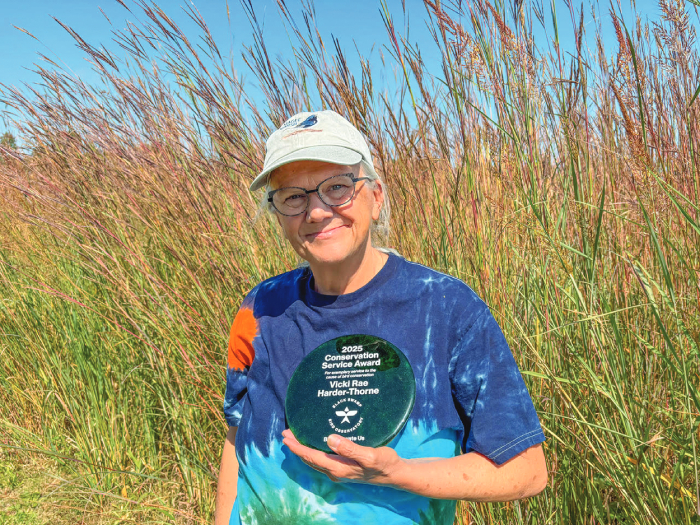
“Like nature, prairie restoration takes time,” says Vicki Rae Harder-Thorne, who has restored prairie near Lake Erie in Ohio. “Like nature, there are predictable cycles and there are unforeseen events. It’s sometimes difficult for me to stand back and allow the unfolding. And yet, that’s sometimes exactly what’s needed.”
Teresa Opheim has implemented three prairie-restoration projects. The executive director of the Climate Land Leaders Initiative, she’s an Iowa native who now lives in Minneapolis and spends a lot of time on a sailboat on Lake Superior.
Originally published in the August/September 2026 issue of MOTHER EARTH NEWS and regularly vetted for accuracy.






