
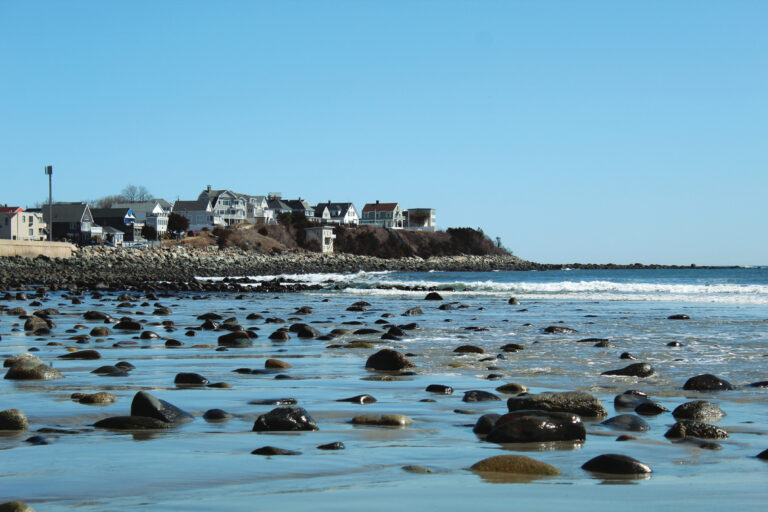
Is seaweed a vegetable? Unlock the secrets of coastal foraging and learn how is sea salt made from the ocean’s bounty.
Living about 50 miles from the Atlantic Coast allows me the benefit of adding ocean harvests to my larder. When most people think of the ocean’s bounty, they think of fish and shellfish; salt and seaweed are often overlooked. People around the world have historically harvested both salt and seaweed – here in the Americas it was no different. First by Native people and then by the early colonists, salt was used in food preservation, and seaweed as food and fertilizer.
Is Seaweed a Vegetable?
The proper term for seaweed is “sea vegetables” – these plants are hardly weeds! Each variety has its own properties and uses. Sea salt is a popular trend among foodies because it’s full of needed minerals and isn’t overprocessed. Its popularity means it can also be expensive. While fairly simple to harvest and process your own, the time and energy it requires can be extensive.
Foraging for Sea Veggies
Though I knew seaweeds were edible and some tasted better than others, I’d never paid much attention to the specific sea vegetables I harvested from our coast until recently. While some sea vegetables are more common than others, what you find depends on where you are. I enjoy adding my varied seaweed harvests to soups and stews.
When it comes to harvesting sea vegetables, there isn’t a great deal of information out there. It isn’t like traditional gardening, a subject detailed in hundreds of books. To discover what I had in my own backyard, I had to draw on local sources, including the New Hampshire Fish & Game Department’s Marine Division, the Seacoast Science Center, and the New England Aquarium.
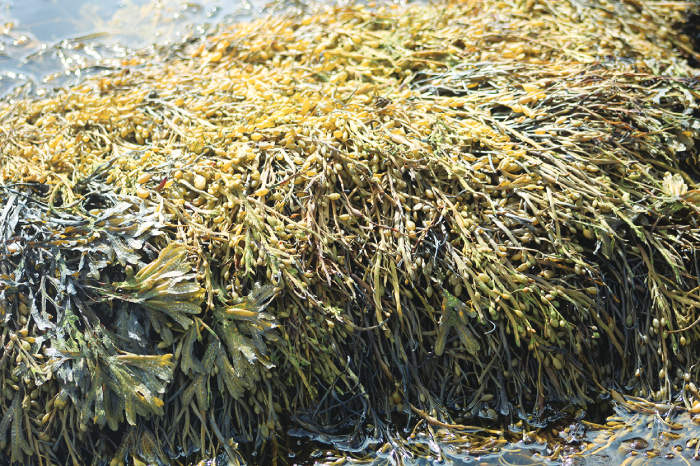
In New Hampshire, you can legally harvest sea vegetables without a license, but if you’re harvesting elsewhere, double-check the regulations for the area you intend to visit; each state has its own rules. Another important step is to make sure the water quality is safe. Seaweeds act as filters; toxins or bacteria in the water can make them unsafe to consume. Information regarding water quality can be accessed from your state’s natural resources department. The seaweeds that wash up on the beach should never be eaten, but they can be used as an excellent fertilizer in the garden. Finally, there’s a right and a wrong way to harvest sea vegetables. Make sure you adhere to the following guidelines to make your experience enjoyable and sustainable.
Basic Seaweed Harvesting
- Don’t harvest anything that looks like it’s decomposing or smells bad. If in doubt, leave it alone.
- Only harvest sea vegetables that are still attached to their holdfast (think roots, only these are attached to rocks).
- Harvest at low tide and when there’s an offshore breeze. The last thing you need to deal with is high water or a rogue wave.
- Use a sharp knife or scissors to cut the leaves. Never pull the plant from its holdfast, and take only what you need.
- Always leave some blades, the part that looks like leaves, to allow it to regenerate, thus ensuring healthy plants to harvest the next time.
- Always rinse your harvest to remove any critters that may be attached.
- Place harvested plants in a basket to allow water to drain and air to circulate.
Common Sea Vegetables
Some sea vegetables can be found close to shore, while others are in deeper water. The best seaweeds to start with are those within relatively easy reach from shore.
- Sea lettuce (Ulva lactuca). Sea lettuce is one of the easiest seaweeds to find, and most people have seen it, even if they didn’t know what they were looking at. It’s found growing in the intertidal zone, where it attaches to rocks. Use a sharp knife to remove a few of the leafy blades from the holdfast where it’s attached to the rock.
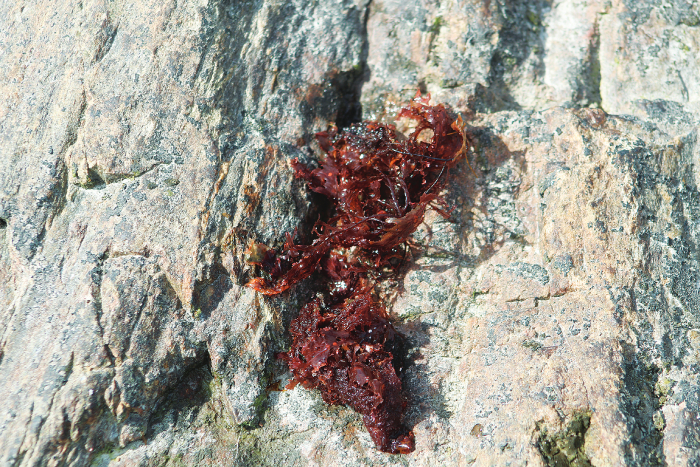
- Dulse (Palmaria palmata). Dulse is popular and is often dried to make commercially available chips. Its red coloration makes it easy to identify. The best places to look for dulse are tidal pools at low tide.
- Sugar kelp (Saccharina latissima). Sugar kelp, though occasionally found close to shore, may require a little wading to get to. Wait for low tide to limit your need to wade too deep. The best times to harvest are during the colder months (early spring and late fall). Like all kelp, sugar kelp is identified by its long, leafy blades.
- Irish moss (Chondrus crispus). Also called “sea moss,” Irish moss looks similar to what you’d think mosses on land should look like. Its red color makes it easy to identify. Like all “seaweeds,” Irish moss is harvested using a sharp knife, being careful not to disturb its attachment to the rocks.
- Bladderwrack (Fucus vesiculosus). Of all the sea vegetables, bladderwrack is the one people are most familiar with. If you spend any time along the New England coast, you’ll have done your share of navigating around it. It’s identified by bladder-like nodules that keep it floating in the water during high tide. Bladderwrack is often used in cooking with other food from the sea, such as lobsters and mussels. It’s also the sea vegetable of choice for traditional New England clambakes.
Sea Salt
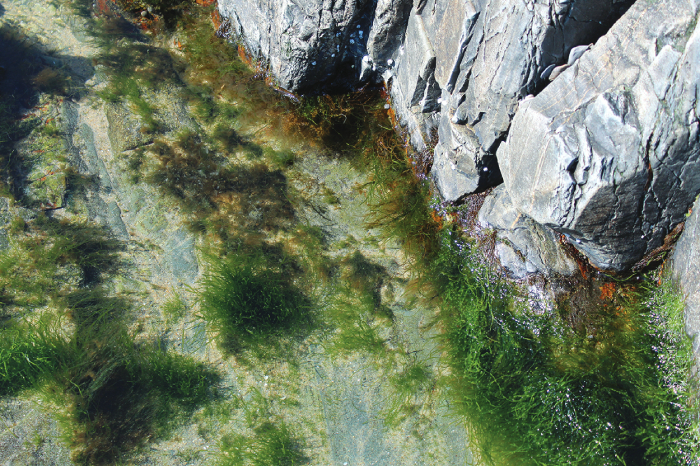
One of the best gifts from the sea is salt. Before we can harvest it, we need to understand just what sea salt is. What are the differences, if any, between sea salt and our usual table salt? Are there any health benefits or drawbacks between the two? Is the focus on sea salt just a bunch of hype?
Salt (sodium chloride) has been used by humans for thousands of years as a preservative and to enhance the flavor of food. There are landmarks named because of their salt deposits, and salt was once used as a measure of wealth. Trace amounts of sodium can be found naturally in everything we eat, but many people add abundant amounts of salt to their food, often more than they need. Most of the salt we take in is in the form of preservatives for commercially canned food and in the processed food we consume.
What’s the Difference Between Salts?
Humans need sodium to survive, and salt, which is about 40 percent sodium, is the best way we get it. In the human body, sodium helps conduct nerve impulses, operate our muscles, and maintain proper water and mineral balance. Too much sodium can lead to heart disease, high blood pressure, kidney problems, and a host of other issues.
Normal table salt (iodized salt) has about 2,300 milligrams of sodium per teaspoon. Sea salt has about 2,120 milligrams per teaspoon. Though they may seem fairly similar at first, iodized salt is heavily processed. The processing removes impurities (including beneficial minerals), bleaches the salt to achieve a uniform color, and adds non-caking agents and iodine.
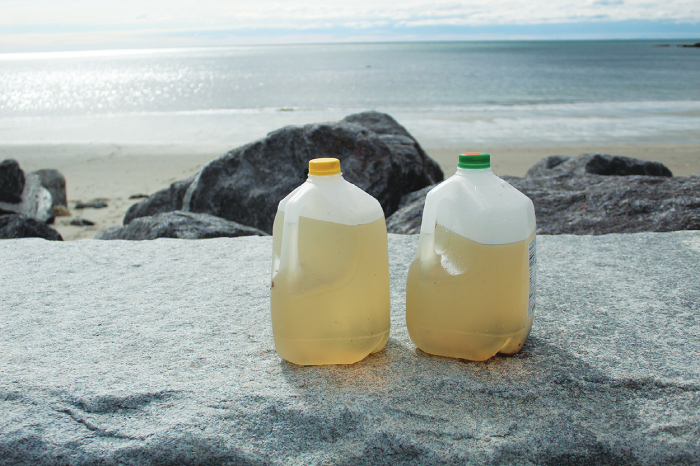
Although iodized salt is highly processed, it did help reverse iodine deficiencies in many communities; for example, in the Great Lakes region of the U.S., where it was widely promoted in the 1920s to supplement iodine-deficient diets. The incidence of iodine deficiencies has been greatly reduced since then, but if you choose sea salt, make sure you have adequate alternative sources of iodine in your diet; it’s an essential element for human health.
Sea salt is either non-processed or minimally processed. It often contains other minerals, such as potassium, zinc, and iron, and bleaching agents aren’t used. The color of sea salt is often reflective of some of the other minerals it contains. Check your labels to ensure it says “unrefined.”
When it comes to your health, sea salt contains less sodium than iodized salt, and it includes other minerals our bodies need. If you need to add salt, either while cooking or afterward, then, in my mind, sea salt is the way to go.
Harvesting Saltwater
Harvesting sea salt is no easy task. It takes a great deal of effort and time. When you think about how 2 gallons of sea water yields about 1-1/2 cups of salt after four hours of cooking time (not counting the time and effort to gather the sea water in the first place), you may begin to ask yourself, “Why bother?” My answer to that is, “Nobody ever said living this lifestyle was going to be easy.” Living sustainably, on our own terms, is a lot of work.
- Gather your sea water. To minimize your need to wade out into the cold Atlantic, use a clean, recycled pail or bucket with a rope tied to it. Throw the bucket out into the water, then haul it back. Pour the water into clean jugs for transport.
- Allow the water to sit for a couple of days back at home so any debris settles to the bottom. Once the debris is settled, slowly pour the sea water into different jugs. The key here is to pour slowly to leave most of the debris in the bottom of the first jug. Allow any remaining debris to settle for a couple more days.
- Prior to boiling, slowly pour the sea water through a coffee filter into a large stockpot. The coffee filter will trap most debris that happens to still be floating around. Though you may not be able to eliminate all sand and debris, you can filter out most of it.
- Bring the water to a boil and let the evaporation process begin. Start on high heat and stir occasionally. If you’d prefer to work outside, try using a portable propane camp stove. While the heat can be controlled, it isn’t as forgiving as a stovetop in the kitchen.
- When you see salt crystals forming at the bottom of the pot, reduce your heat to medium and increase stirring. After the water level has dropped to about an inch, reduce the heat to low and stir to keep the crystals from burning. Once most of the water is gone, turn off the heat and continue stirring.
- While the salt is damp (but not soaking wet), spread it onto a cookie sheet. At this point, you can put it in the oven or dehydrator at the lowest heat setting until it’s fully dry or you can leave it in the sun to air-dry. The damp paste will be the color of sand. Don’t be concerned; it will lighten as it dries. This process may take a few days.
- Put dried salt in an airtight container and enjoy.
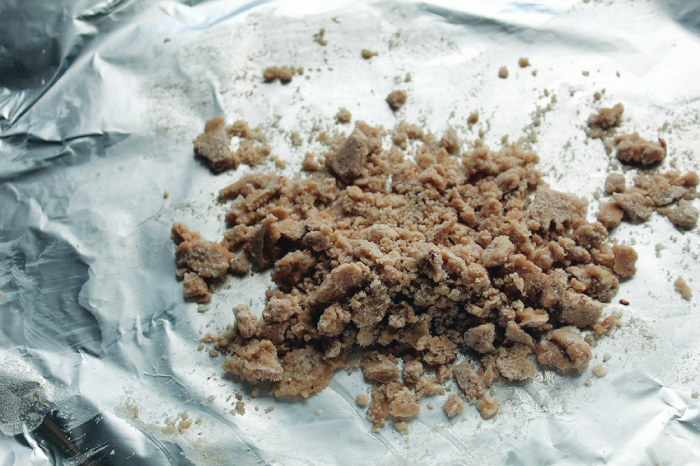
There are a few things to keep in mind once you’ve made your own salt. First, just because it’s salt doesn’t mean it will come out white. The salt I ended up with was a bit darker than the white salt you buy at the store, a direct reflection of the water I harvested it from. Second, it takes a great deal of saltwater to make even a small amount of usable salt.
Appreciate Our Oceans
Our oceans are vast and their resources nurture us in ways we never think about. Though we know little about their depths, oceans provide a wide variety of gifts that nourish and sustain us, from protein sources, such as fish, to healthy additions to any diet, such as seaweeds and sea salt. Focusing on what our oceans can provide reinforces the need to protect the vast diversity and ecosystems that are so essential for life on this planet.
Dana Benner has been writing about all aspects of the outdoors, sustainability, the environment, and Native history for over 35 years. His work appears in numerous publications, including Grit, Mother Earth News, Countryside & Small Stock Journal, and Backwoods Survival Guide. He also produces and hosts outdoor-related programming on HCTV in Hudson, New Hampshire.
Originally published in the August/September 2026 issue of MOTHER EARTH NEWS and regularly vetted for accuracy.







