Sow Seeds in Maritime Canada and New England
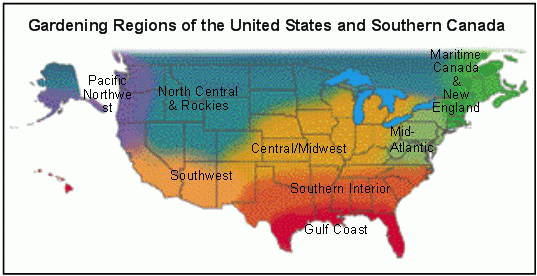
As days get a bit longer and warmer, the overwintered greens in the greenhouse are sprouting new shoots, and hens are laying more eggs. Still, gardens are as frozen as a hockey rink. Go skating to ward off the winter blues, then come in and make a pot of soup with any garden vegetables you have stored in the root cellar or freezer. It’s time to sort leftover seeds and place seed orders. Indoors, start celery, leek and onion seed in late February through March, followed by peppers in late March. In the orchard, dig down around tree trunks to check for rodent damage and cut some scion shoots from your fruit trees, which you can store and use for grafting later in the year. Late March brings snowdrops and snow crocuses along sun-warmed foundations, brightening our winter-weary hearts.
— Roberta Bailey, FEDCO Seeds, Waterville, Maine
Mid-Atlantic
Take advantage of a few cold days in early February to kill pests by “freezing out” your greenhouse, and then start lettuce, collards, Chinese greens, kale, peppers, eggplant and celery. Pre-sprout spinach seed or try ‘Bloomsdale Long Standing’ for better emergence in cold soil. When forsythia starts flowering in late February, it’s time to sow carrots, turnips, peas, beets and radishes. Pre-soak beet seed 30 minutes for even germination. Transplant hardy greens and fall-sown onions in early March — protected with fabric row covers — and start peppers, brassicas, scallions and early tomatoes. Pre-sprout seed potatoes for two weeks in bright light and at a cool temperature — they’ll be ready to plant by St. Patrick’s Day if the weather is suitable (usually when dandelions are blooming). Later in March, indoors, start the rest of your tomatoes — ‘Tropic’ and ‘Brandywine OTV’ are outstanding disease-resistant slicers for our area. Start zucchini and cucumbers in the greenhouse, and keep planting and harvesting cool-season crops.
— Ira Wallace, Southern Exposure Seed Exchange, Mineral, Va.
Southern Interior
Broccoli, cabbage and cauliflower transplants started indoors a month or two ago are ready to plant outside as soon as the worst freezes are over — February in the most southern part of our region and March in the upper South and Piedmont regions. Sow seeds for kale, kohlrabi and English peas in February. At the end of the month, it’s time for some serious gardening! Plant beets, carrots, Swiss chard, celery, cress, endive, lettuce, mustard, parsley, parsnips, radishes, rutabagas, salsify, spinach and turnips. Start seeds for tomatoes, peppers and eggplant six to eight weeks before the last expected frost in your location. In the lower South, you can sow seeds for bush beans, pole beans, cantaloupe and honeydew after your last frost date. After the soil starts to warm, sow seeds for lima beans, sweet corn, cucumbers, squash and watermelon.
— Becky Wilder, Seeds for the South, Graniteville, S.C.
Gulf Coast
So much to do and so little time! February is a second planting opportunity for cool-season crops such as broccoli, cabbage, mustard, lettuce, snow peas, radishes, carrots and beets. Beginning in March, we set out tomato plants. Last year’s best producers in our garden were ‘Carmello,’ ‘Dona’ and ‘Champion,’ and they were also the best tasting. Set out pepper plants later in the month — one jalapeño and one ‘Big Bertha’ bell are enough for a small garden, and plant beans, corn, cucumbers and melons. Be sure to spray fruit trees with a dormant oil spray, a type of spray intended for use before the buds open. In early February, overwintering insects are at their weakest, and the oil should take out a large number of them. Inspect irrigation systems now before the dry season hits. Drip tapes rarely work well for more than one season, and drippers may need cleaning or replacement.
— Bill Adams, Burton, Texas
Central/Midwest
During this season, it’s exciting to wake up each morning just to see which plants are sprouting! As our days get longer, the plants started indoors now actually will catch up with those begun in January. It’s time to start seeds for tomatoes, peppers, eggplant, onions and celery — veggies that do best when they get an indoor head start. Flowers to start are geraniums, petunias, snapdragons and first-year-blooming perennials. Save quick-growing plants for later. A few weeks after your seedlings sprout, apply a weak organic fertilizer to maximize plant health. Keep grow lights about 4 to 6 inches above the plants to avoid spindly stems and pale leaves. Remember that fluorescents gradually become dimmer with age; replace the bulbs as needed. If you have germination problems, make sure both seeds and soil mix are fresh, and that trays are kept warm. Even if you have a few failed seedlings, you’ll have plenty of plants to share.
— Connie Dam-Byl, William Dam Seeds Ltd., Dundas, Ontario
North Central and Rockies
Almost every great new idea I run into these days concerning my garden and yard is not really new. As I try to rely less on outside energy and goods shipped from great distances, the tools (such as the bulldog garden fork, wheelbarrow and rake), devices, techniques and seeds working best for me are the same ones homesteading Americans used before life became industrialized. In addition to searching through heirloom seed catalogs for the latest and greatest, search your own neighborhood for local resources — especially seeds. The old folks in your area just might have a hidden treasure of seeds. Expand your own network to find those looking for the same things as you. As I start my tomatoes, peppers and cabbage-family plants indoors in the next couple of weeks, I will be using true heirloom treasures of the kind seldom found in seed catalogs.
— Bill McDorman, Seeds Trust, High Altitude Gardens, Hailey, Idaho
Sow Seeds in the Pacific Northwest
Take advantage of breaks in the wet weather to weed and till. If you can get this soil prep work done now, you will be able to plant whenever you want. Postpone it too long, and wet weather or tall weeds can delay planting for weeks. If in the past your beets had corky spots and broccoli stems were hollow, your soil may lack boron, an essential mineral that is sometimes deficient in this area. Confirm with a soil test, and if needed, apply borax at the rate of 1 tablespoon (in 1 gallon of water) per 100 square feet. Boron is toxic in more than trace amounts, so be especially careful not to apply too much. Begin your year-round garden now by sowing hardy salad greens. Indoors, it’s time to start tomatoes, peppers and eggplants. You want to develop healthy, rugged plants, so provide them with light, air circulation, warm feet and a cool head for a good start in life.
— Rose Marie Nichols McGee, Nichols Garden Nursery, Albany, Ore., and Josh Kirschenbaum, Territorial Seed Co., Cottage Grove, Ore.
Southwest
Lengthening days and the arrival of seeds in the mailbox give the promise of spring. In warmer areas, set out broccoli, cabbage, kale, lettuce seedlings, potatoes and — when danger of frost has passed — tomatoes, eggplants and peppers. Make successive sowings of carrots, lettuce, beets, green onions, peas, radishes, spinach and Swiss chard. Even in high mountain areas, there will be sunny days in February to clean the garden, prepare soil and plant cold-hardy seeds protected by cloches or fabric row covers. Watch for clusters of aphids on the growing tips of plants — these tiny, soft-bodied insects thrive in cold weather and can reproduce rapidly. Any dead or hollow aphid “mummies” among the living aphids are evidence of beneficial insects at work. Refrain from using broad-spectrum pesticides — even organic ones — to protect these “good bugs,” and try dislodging the aphids with a strong stream of water instead.
— Erica Renaud, Seeds of Change, Santa Fe, N.M.
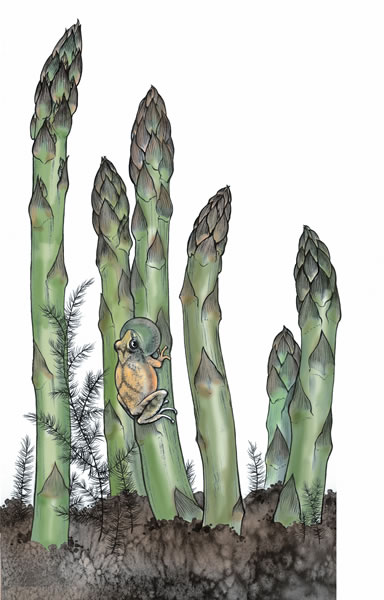
Read more: Some crops are a little more stubborn than others. Learn how to revive weedy asparagus in How to Weed and Harvest Asparagus or how to tame wild brambles in Tame and Transplant Wild Black Raspberries.