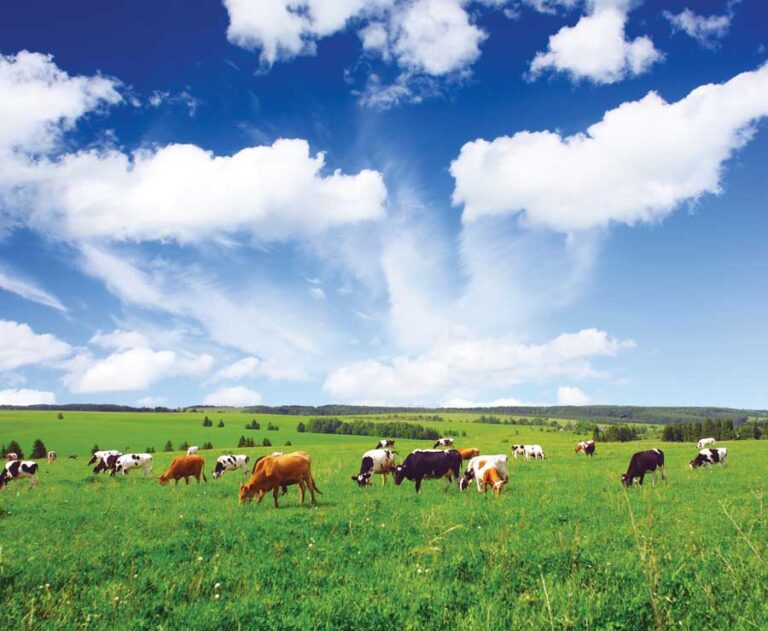
More evidence that grass-fed meat is good for you emerged earlier this year when scientists in Ireland found that consuming grass-finished red meats from lamb and cattle, even for a short period of time, is good for your heart.
The study, published in the British Journal of Nutrition (volume 105, issue 01), not only confirmed again that red meat from animals “finished” on grass for the six weeks before slaughter contains significantly more omega-3 polyunsaturated fatty acids than meat from grain-fed feedlot animals, but also demonstrated for the first time that healthy consumers who ate that grass-finished meat for only four weeks showed significant increases in blood levels of omega-3s compared with those eating grain-finished red meat. This is important news for several reasons.
Omega-3 fatty acids are beneficial in our diets, in part because they have a stabilizing effect on atherosclerotic plaques, which reduces the likelihood that the plaque will rupture and cause a number of heart and artery issues, including heart attack and death. These special fatty acids also reduce arterial inflammation and clotting. So, eating grass-fed red meat is actually good for your heart.
Eating only three portions of grass-fed red meat per week (about 18 ounces cooked) increased study participants’ omega-3 blood levels as much as some fish oils when factoring in cultural eating habits. Plus, the grass-finished cattle and sheep used in the study were offered grass for only the final six weeks of their lives, which means there may be even more potential for obtaining dietary omega-3s from red-meat animals that are finished on grass for a typical 120-day finishing period.
Critics will note that grass-fed red meat is no panacea, and they will be correct. Any dietary magic bullet has yet to be discovered, no matter what special interest groups want you to think. We do, however, have clear evidence that grass-fed red meat is better for us than industrial red meat in a number of additional ways.
- Grass-fed meat has a significantly better fat and antioxidant profile than grain-finished meat. Even though the levels of saturated fats are similar, the specific saturated fats that are associated with harmful cholesterol levels are higher in industrial meat.
- Grass-fed meat contains higher levels of conjugated linoleic acids (CLA), which have been linked to reduced cancer rates, reduced arterial disease and reduced diabetes levels, among other benefits.
- Grass-fed meats’ omega-6 to omega-3 fatty acid ratio is closer to the dietary ideal, meaning it’s better for your brain than industrial meat.
- Grass-fed meat contains more vitamin A and vitamin E precursors than that of grain-fed animals.
At the end of the day, grass-fed red meats are leaner and contain proportionally more of many important nutrients that relate to good health. No surprise there, because ruminants evolved to eat forages, and humans evolved eating forage-fed ruminants.
I’ve been eating grass-fed meat for years because I love the way it tastes and the way it grills up juicy and tender. The last time I ordered steak at a restaurant, I was presented with a beautiful piece of meat that was cooked to a perfect medium-rare. It was so tender that I could cut it with my table knife. I was expecting an explosion of flavor when I chomped down on the first bite, but yikes! All of that lovely potential was ruined by the foul flavor of feedlot. For me, better flavor is reason enough to go with grass-fed meat. The health and environmental benefits are just icing on the cake.