
I was
already working on a piece about direct sowing warm season crops when what
should pop up but a great tip from Adrian Higgins at the Washington Post about sowing an okra hedge as a
decorative and functional edge. It was exciting that Adrian listed Southern Exposure Seed Exchange as a source of heirloom okra
seeds. Don’t worry if you don’t have room for a hedge. A small family only
needs a few plants to be well supplied with fresh okra if it is harvested
regularly.
For
those looking toward more self-sufficiency, okra has hidden value: the seed pods contain up to 15% oil and in recent trials was only
out yielded by sunflower seeds. During the Civil War ground okra seed was
roasted and used as a non-caffeinated coffee substitute. All of that, plus gumbo,
makes okra a vegetable well worth adding to your garden. The plants keep
producing all summer, so you only need to sow once for harvests all season.
The
soil has finally warmed up enough for direct sowing warm season crops like
corn, beans and zucchini. But don’t plant your whole crop at once. Take
some hints from Barbara Damrosch on making succession plantings to have a steady supply of these
popular crops all summer.
Optimizing
your planting and harvest will take a few years of paying attention to first
planting date, last planting date, how long harvests last, and also noting how
you use the crop in the kitchen. You’ll soon have a plan that’s perfect for your
family. Fortunately, you don’t have to wait to get started with succession
plantings. You can use info from your the Mother Earth News Vegetable Garden Planner, your local extension office or
Master Gardener group on planting dates and expected yields. Southern Exposure has a guide to warm-season successions.
You
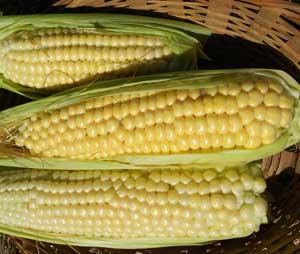
can also look to traditional wisdom to get started. I sow my next sweet corn crop
when the first is 2′ or 3′ tall through July. My grandmother
always planted more
cucumber, cantaloupe, zucchini and other summer squash plus 3 corn
varieties with different maturity dates every month from the last frost date
until 2 months before the first fall frost (May, June, July in Virginia). For
lettuce you can sow more when the
previous sowing has germinated. Sow more beans when the earlier plants have
their second set of true leaves.
Quick
Okra Lunch
4
c. okra, diced
1 green pepper, chopped
Optional:
1 small jalapeno or similar hot pepper, chopped (seeds removed)
2 small onions, chopped
2 cloves garlic, minced
2 T. olive oil
3 med. tomatoes, chopped
salt and pepper to taste
Place the okra, onions, pepper(s) and garlic into a hot skillet with the olive oil. Saute
over medium heat until tender. Add the tomatoes and let simmer for 30 minutes,
stirring frequently. Season to taste with salt and pepper. Makes 5 servings.
You can add leftover meat, shrimp, or tofu just before serving to make a hearty
lunch dish.
Thanks
for stopping by and we hope you’ll come back often to see what we’re growing
and cooking.
___________________________________________________________________
Ira Wallace lives
and gardens at Acorn Community Farm home of Southern Exposure Seed Exchange
where she coordinates variety selection and seed growers. Southern Exposure
offers 700+varieties of Non-GMO, open pollinated and organic seeds. Ira is also
a co-organizer of the Heritage
Harvest Festival at Monticello. She serves on the
board of the Organic Seed Alliance and is a frequent presenter at the Mother
Earth News Fairs and many other
events throughout the Southeast. Her
first book the “The Timber Press Guide to Vegetable Gardening in the
Southeast” will be available in 2013