Is ethanol a biofuel? Learn how are biofuels made into different types of biofuels, from biodiesel to algae to other biofuels of the future.
Petroleum has been the transportation fuel of choice for more than a century now, but it’s not the only fuel that can run our cars and trucks. Some of the most promising replacements for oil come from organic biomass, including crops such as corn and soybeans. Those are the main sources for the most common types of biofuels in use today, ethanol, and biodiesel fuel.
Biofuels are attractive because they can be used in gasoline and diesel engines, but unlike oil, they’re renewable. Biofuels also help lower tailpipe emissions because they burn cleaner than petroleum fuels, with lower greenhouse gas emissions. In addition, biofuels are generally grown and produced domestically rather than shipped from halfway around the world. However, there are trade-offs. Within the limits of current technology, biofuels can be costly and energy-intensive to produce. Another major knock against biofuels is that using potential food crops for fuel can reduce availability and raise prices of those crops. How successful biofuels will be in the future will depend on how well researchers are able to overcome these obstacles, and how wise we are in choosing government policies that give us the best results.
Though biofuels can be used in their pure form, they are generally used as a blend to stretch other fuels. Ethanol is blended with gasoline, and biodiesel is blended with petroleum diesel. Whether you’re aware of it or not, you probably have some biofuel in your gas tank right now. Most gasoline we pump today is E10 — 10 percent ethanol and 90 percent gasoline.
The federal government is also working to increase the use of biofuels: Under the Energy Independence and Security Act of 2007, the volume of required biofuel was increased from 9 billion gallons in 2008 to 36 billion gallons by 2022. Recently, there has been a push for the standard use of a higher, 15 percent ethanol blend, or E15, but there are questions about compatibility with all vehicles.
Is Ethanol a Biofuel?

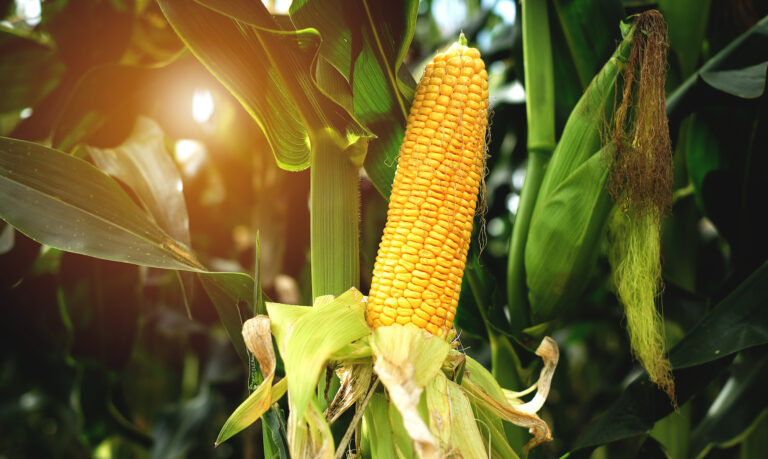
Ethanol is simply alcohol fermented and distilled from the sugars in plants. Most ethanol comes from a few crops, including corn and sugar cane, but there are other promising sources that aren’t food crops. Cellulosic ethanol production uses the non-edible parts of plants such as corn stover, lawn and tree waste, wood chips, and quick-growing plants such as switchgrass and miscanthus. The cellulosic ethanol industry is struggling to get off the ground, but it could be more cost-competitive in the future with new technical breakthroughs and if gasoline prices keep rising.
Ethanol has less energy density than gasoline. You won’t notice much difference in performance with the common E10 blend, but you will with higher blends such as E85, which can be used in flex-fuel vehicles. At this mixture, E85 will deliver lower fuel economy than gasoline. The reduction varies by vehicle, but it’s been my experience that, when filling up with E85, you can expect fuel economy to drop by 15 percent to 25 percent. Range between fuel stops is reduced, but E85 is priced significantly lower than regular gasoline, so the cost at the pump is about the same (see E85 Gas Prices). On the plus side, the higher octane will increase power output and performance.
Flex-Fuel Vehicles
A “flex-fuel” vehicle is a car or truck that offers the flexibility to run on either gasoline or E85. The transition from one fuel to the other is seamless — the vehicle’s computer automatically adjusts the engine controls for best performance for whatever blend is in the tank. The flex-fuel option adds only a few hundred dollars to the overall cost of the vehicle, most of which is in fuel system components that can handle the alcohol. There are now more than 7 million flex-fuel vehicles on the road. Automakers have an incentive to produce flex-fuel vehicles, because these vehicles help them meet the federal fuel economy standards.

However, not all vehicles are designed for E85, and you don’t want to use this biofuel in an incompatible vehicle. The alcohol in the fuel requires a fuel system that can handle its more corrosive nature. E85 can ruin fuel lines and other components in a regular car or truck.
Some owners don’t know their car, SUV or truck is E85 compatible. However, many manufacturers have been aggressive at marketing their vehicles’ flex-fuel capabilities, and most models have prominent “Flex-Fuel” badges on their rears or flanks. Another giveaway is a bright yellow fuel cap with E85 flex-fuel identification, although not all compatible vehicles have these. If you’re unsure whether you have a flex-fuel vehicle, check your owner’s manual. You can also find lists of flex-fuel vehicles online at Alternative & Advanced Vehicles.
Ethanol is in nearly all the gasoline sold today, but E85 availability varies by region and state. E85 pumps are easy to find in the Midwest, but quite difficult to find in other regions. You can find fueling station finders online, including one on the Alternative Fuels & Advanced Vehicles Data Center, and you can find smartphone apps to help you find stations, too.
Biodiesel Fuel Basics
Biodiesel is another flexible alternative fuel with serious potential. Pure biodiesel is better for the environment than petroleum diesel because it produces lower emissions and is biodegradable, making it safer to handle. Like ethanol, it burns clean and can be produced domestically.

Commonly produced from high-fat plant sources such as soybeans, there are also new non-food crop biodiesel sources in development. One of the most promising of these is algae. The process has been demonstrated in small-scale facilities and a few larger operations. Proponents point to algae’s high oil yield relative to the land required to produce it. Algae can be grown in a variety of vertical bioreactors that don’t need a lot of acreage.
Pure biodiesel (B100) can run fine in some diesel engines, but like ethanol, it is more commonly blended with petroleum diesel. B5, a 5 percent blend of biodiesel with 95 percent petroleum diesel, is approved for use in nearly all new clean diesel cars (check your owner’s manual to be sure). B20, which has 20 percent biodiesel mixed with 80 percent petroleum diesel, is approved for use in the latest generation of full-size diesel pickups. Biodiesel is also a great alternative for diesel tractors and other diesel-powered implements around the homestead. As with E85, finding biodiesel in your area might be a challenge, so you’ll want to turn to online tools and apps to make it easier to find biodiesel pumps near you. In most new clean diesel cars, the use of B5 is allowed without voiding the warranty. Dodge, Ford and most General Motors full-size clean diesel pickup trucks can now use B20 without affecting the warranty.
Vegetable Oil Fuel

It’s possible to produce biodiesel at home from new or used vegetable oil, commonly found in restaurant deep fryers. Special equipment is required to make this form of biodiesel, but do-it-yourself kits make the process relatively straightforward. This homebrew biodiesel is not for use in late-model “clean diesel” engines (see Clean Diesel: A New Era of Green Cars) and will void the factory warranty because it is not an approved fuel.
Another option is to skip the process of brewing biodiesel at home, and instead convert your diesel vehicle to run directly on plain vegetable oil. Grease-diesel conversion kits are available online from a variety of sources for most older diesels. Most include a separate grease fuel tank, fuel pump, fuel lines, and switching valves. You start the vehicle on the regular diesel tank, then switch to grease once the engine is warm. It’s a good idea to switch the system back to regular diesel before shut-down to flush the system out.
The Future of Biofuels
You don’t have to look far to find people who think biofuels could be better, or who outright question their green credentials. Although some of the criticism of biofuels comes from environmentalists asking legitimate questions about the costs and benefits of our fuel choices, some of the resistance to biofuels is undoubtably fueled by petroleum interests. One fact is undeniable, however: It takes only one disruption in the supply of oil to push E85 and biodiesel back into the headlines. They aren’t perfect motor fuels, but ethanol and biodiesel are the leading clean liquid fuel alternatives we have today. The more we support their development, the less dependent we will be on petroleum.
Biofuel Resources
Biodiesel: Growing a New Energy Economy by Greg Pahl
Find articles on veggie oil conversions in Run a Diesel Vehicle on Vegetable Oil, and making your own ethanol at Make Your Own Gas! Alcohol Fuel Basics.
Todd Kaho is the Executive Editor of Green Car Journal and owner of Kaho Media, Inc.